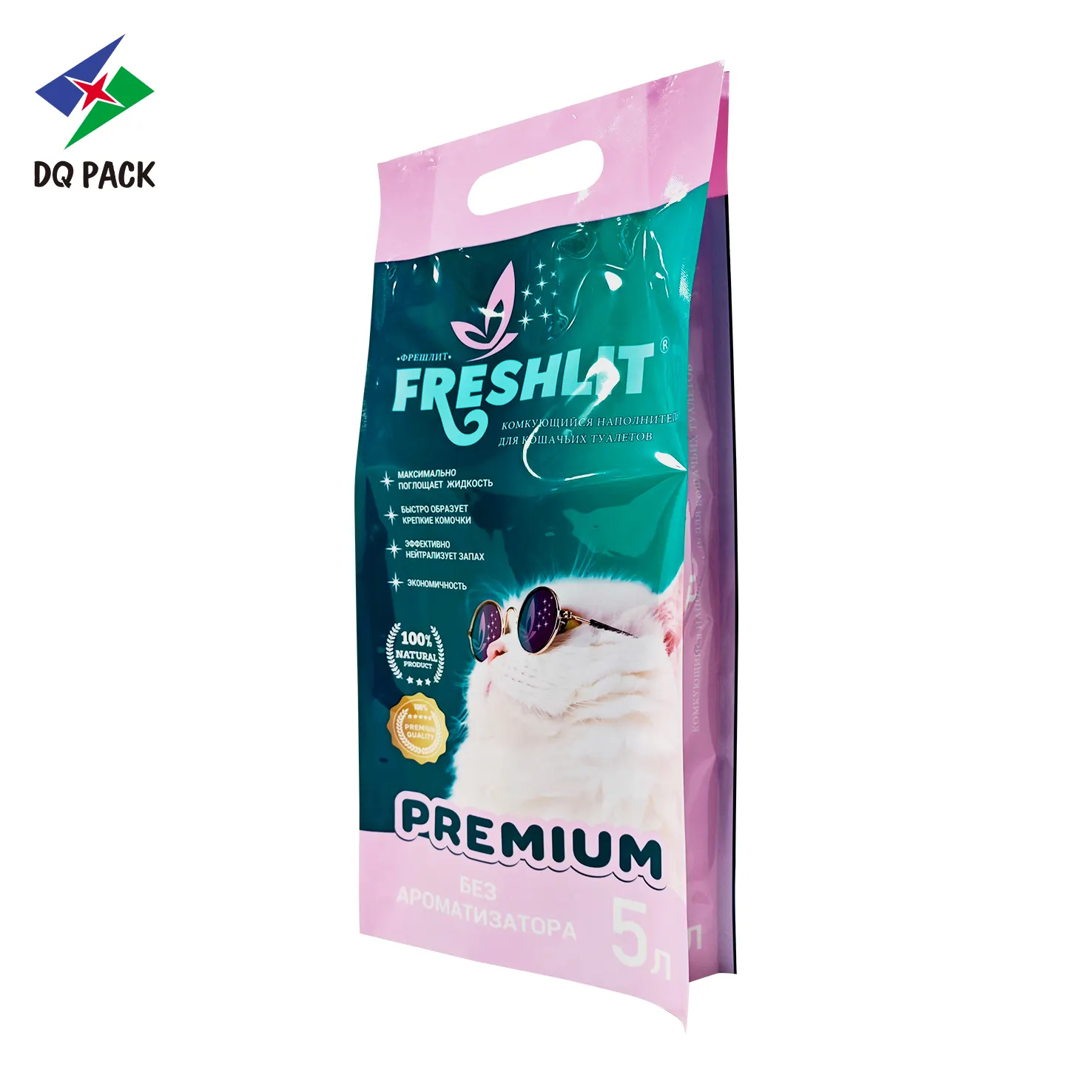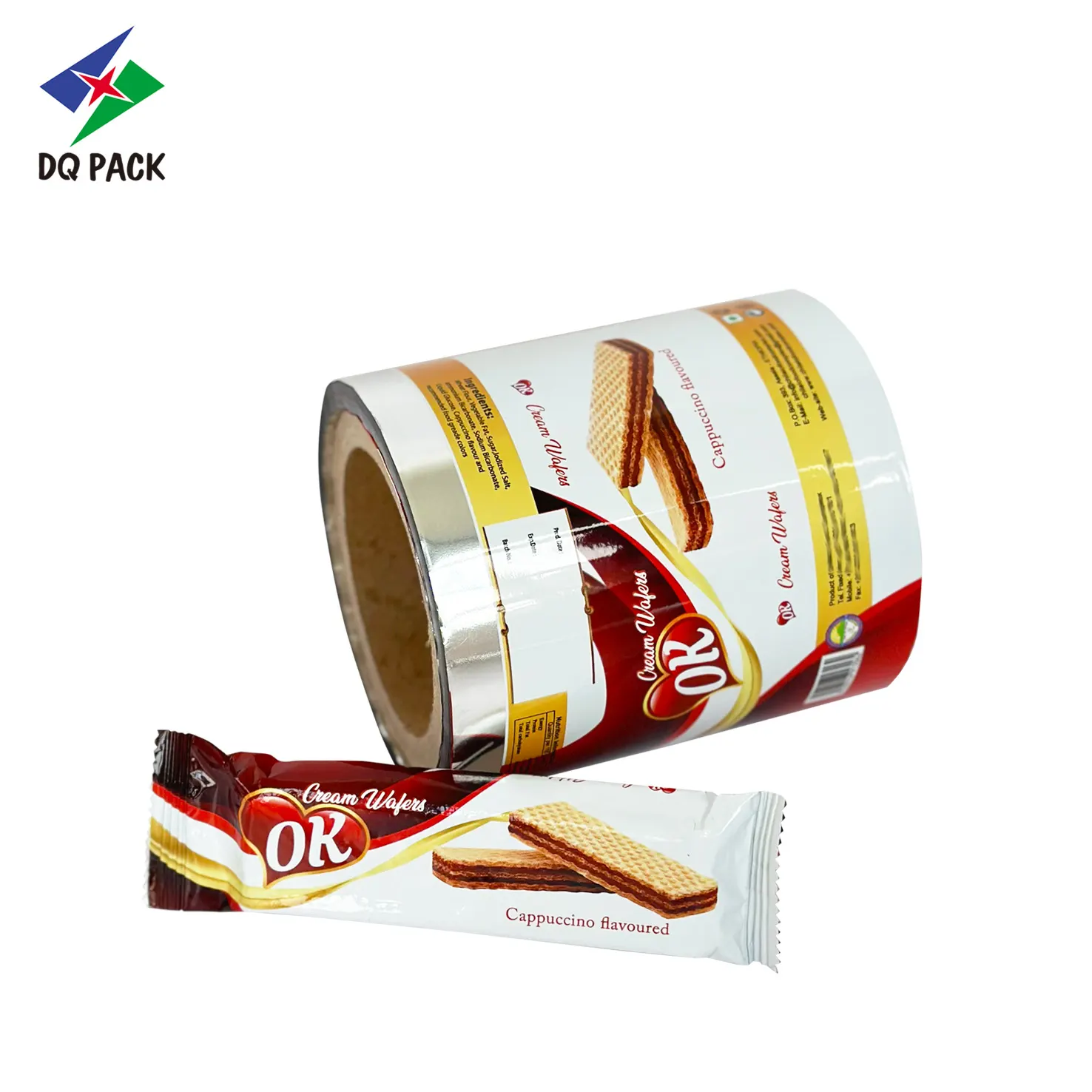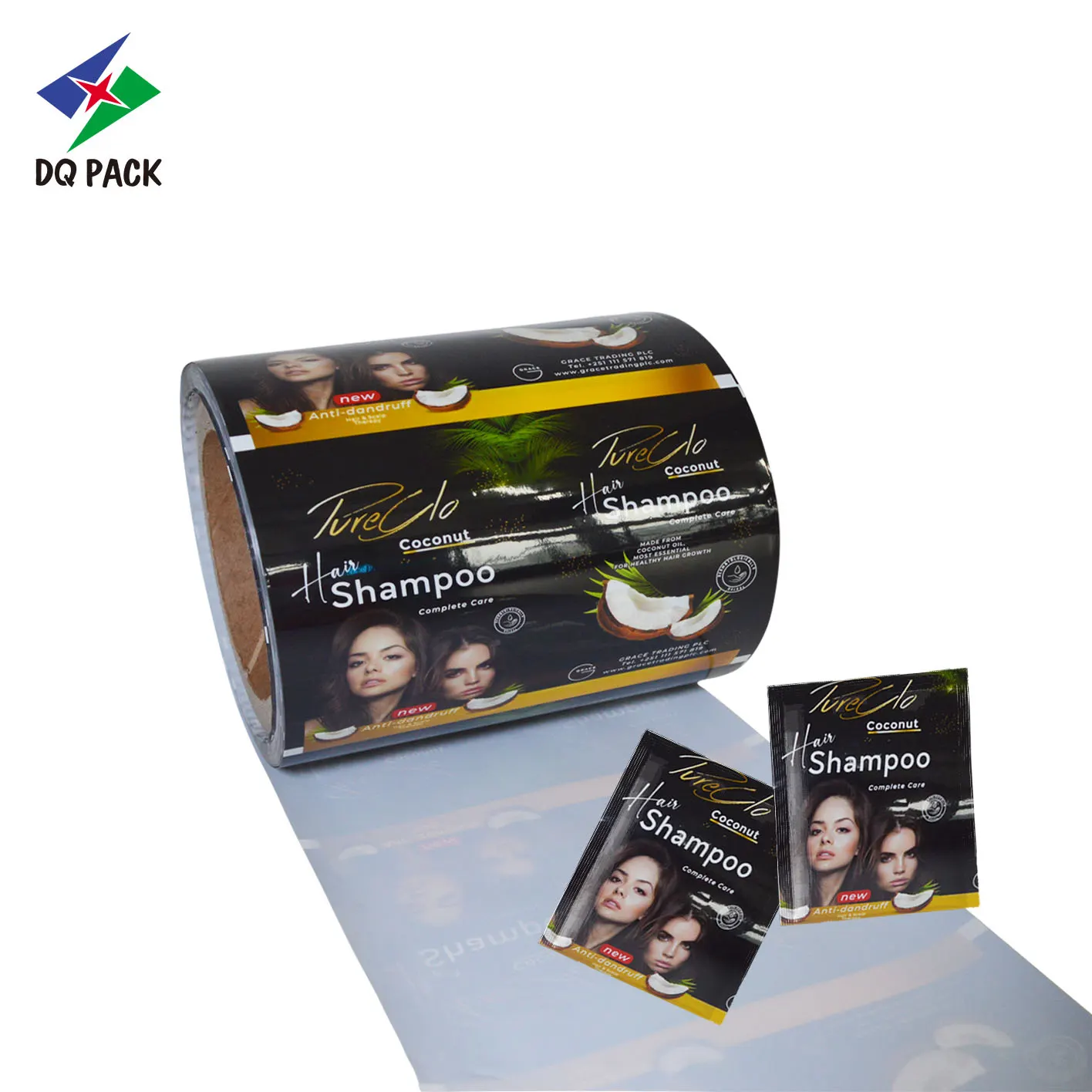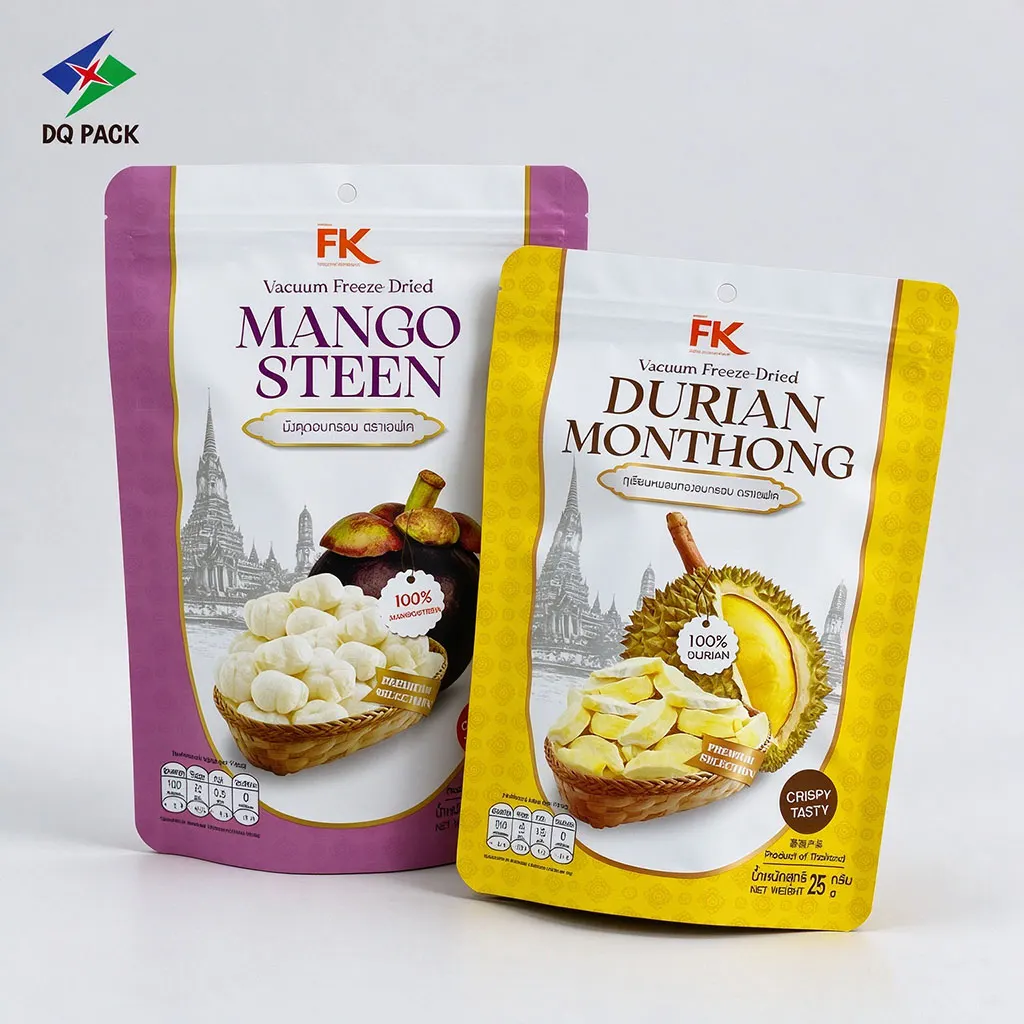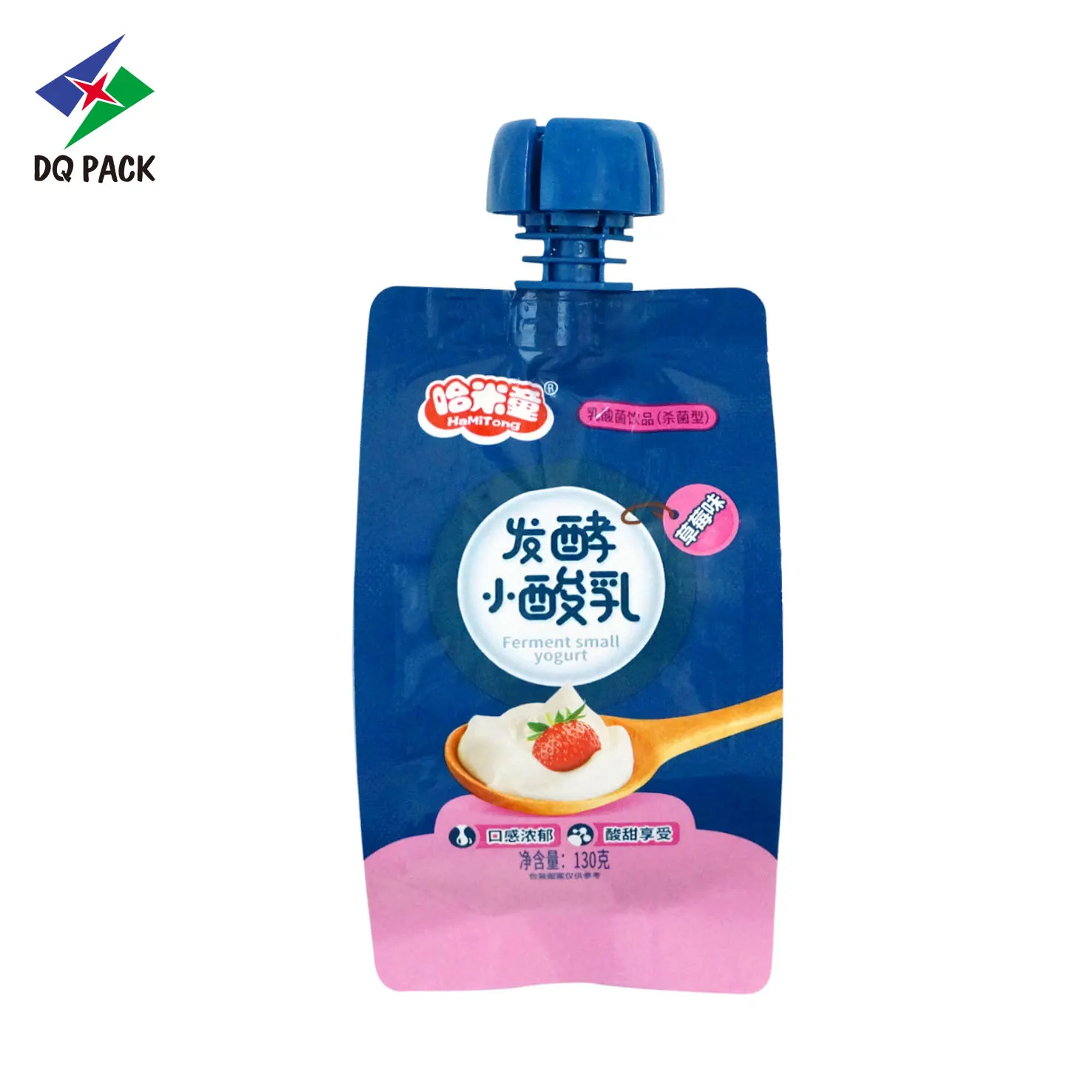


Marken und Aufsichtsbehörden sind sich über eines einig: Verpackungen müssen sowohl für das Ende der Lebensdauer als auch für die Leistung während des Gebrauchs ausgelegt sein. Einstoffliche flexible Verpackungen bietet einen praktischen Weg zur Erfüllung von Recyclingzielen und Vorschriften zur erweiterten Herstellerverantwortung (EPR).
Hier wird DQ Pack, ein Hersteller von kundenspezifischen flexiblen Verpackungen, erklärt, was Monomaterialien bedeuten, welche Vorteile sie für die Nachhaltigkeit und die Einhaltung von Vorschriften haben, welche Kompromisse bei der Gestaltung eingegangen werden müssen, und gibt einen pragmatischen Fahrplan für die Umsetzung.
Was bedeutet “Flexible Einstoffverpackung” eigentlich?
“Monomaterial” bezieht sich auf fertige Verpackungen, die von einer einzigen Polymerfamilie (in der Regel PE oder PP) dominiert werden, auch wenn innerhalb dieses Polymersystems mehrere Funktionsschichten oder Beschichtungen verwendet werden. Dies unterscheidet sich von herkömmlichen mehrschichtigen Laminaten (PET/AL/PE, PET/NY/PE), bei denen inkompatible Polymere oder Metallschichten das mechanische Recycling verhindern.
In der Praxis werden für Monolösungen Co-Extrusion, verkapselte Barrieren (EVOH in PE) oder kompatible Beschichtungen verwendet, so dass der endgültige Folienstrom in bestehende Polyolefin-Recyclingverfahren eingespeist werden kann.
Warum Marken auf Monomaterial-Verpackungslösungen umsteigen
- Geringere Materialkomplexität. Weniger Polymertypen und eine einfachere Schichtchemie machen die Sortierung und Wiederaufbereitung schneller und weniger fehleranfällig.
- Geringere Auswirkungen auf den Lebenszyklus. Vereinfachte Strukturen bedeuten oft leichtere Rollen, geringere Transportemissionen und weniger Energie bei der Wiederaufbereitung.
- Bessere Anfechtbarkeit von Forderungen. Wenn der gesamte Beutelstrom mit einem Recyclingstrom übereinstimmt, werden “recycelbar” und EPR-Berichterstattung nachweisbar und nicht nur angestrebt.
- Chemische Verträglichkeit. Monosysteme lassen sich gut mit wasserbasierten Druckfarben und lösungsmittelfreien Klebstoffen kombinieren, wodurch VOC-Emissionen und gefährliche Abfälle reduziert werden.
Diese Vorteile machen Einstoffliche flexible Verpackungen ein glaubwürdiger Nachhaltigkeitshebel - vorausgesetzt, das gesamte System (Beschläge, Druckfarben, Klebstoffe) ist aufeinander abgestimmt.
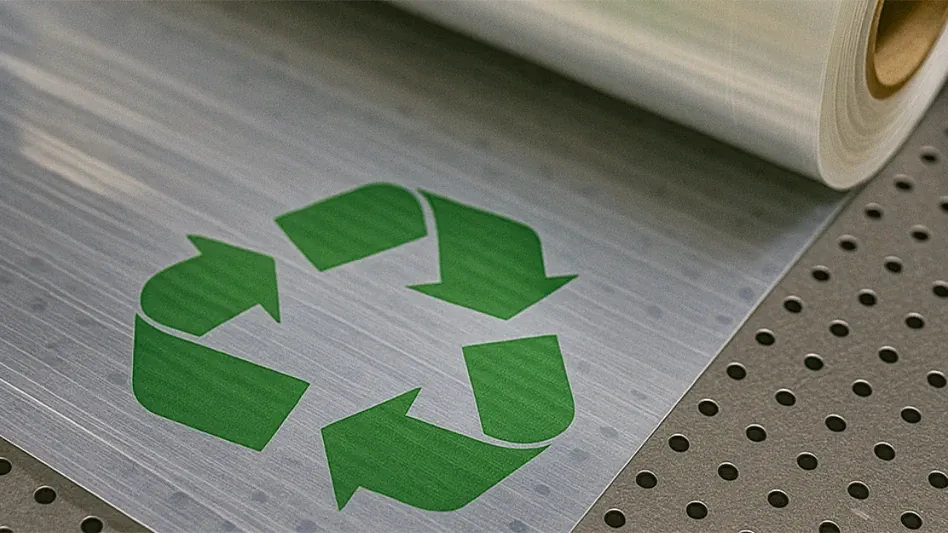
Vorteile bei der Einhaltung von Vorschriften: Vorschriften treffen auf Rezyklierbarkeit
Die Regulierungsbehörden verlangen zunehmend den Nachweis, dass Verpackungen gesammelt und recycelt werden können. Mono-Strukturen vereinfachen die Einhaltung der Vorschriften durch:
- Verringerung von Delaminierungsfehlern in Sortieranlagen und Wiederaufbereitungsanlagen.
- Herstellung von Polyolefinballen mit höherem Reinheitsgrad, die für die Recycler wirtschaftlicher sind.
- Rationalisierung der Dokumentation für Audits (DoC, Berichte über Wiederverwertbarkeitstests).
Diese Vorhersehbarkeit hilft den Marken, EPR-Strafen und die Auslistung von Einzelhändlern wegen nicht belegter Nachhaltigkeitsangaben zu vermeiden.
Funktionale Kompromisse
Mono bedeutet nicht auf magische Weise Leistungsgleichheit mit metallisierten oder PET-Laminaten. Die wichtigsten Kompromisse:
- Leistung der Barriere. EVOH-Verkapselungen oder anorganische Beschichtungen können Lücken schließen, aber die Feuchtigkeitsempfindlichkeit und die Haltbarkeit der Beschichtung müssen unter realen Verteilungsbedingungen validiert werden.
- Mechanische Festigkeit. Nylon- oder PET-Schichten zeichnen sich durch ihre Durchstoßfestigkeit aus; Mono-PE-Systeme erfordern eine Orientierung (MDO) oder dickere Funktionsschichten, um die gleiche Zähigkeit zu erreichen.
- Verschließbarkeit und Integration des Ausgusses. Dichtungsfenster aus Polyolefinen unterscheiden sich von PET-Laminaten; Dichtungsfenster und Ausgussschweißnähte müssen in der Produktionslinie neu qualifiziert werden.
Das Design muss von den Produktanforderungen ausgehen (Haltbarkeit, Ölgehalt, Temperaturprofil) und dann die Monostrukturen abbilden, die diese Ziele erfüllen können.
Praktische Design-Checkliste
Bei der Angabe einer Einstoffliche flexible Verpackungen SKU, erfordern:
- Ziel MVTR/OTR Zahlen, die an die Haltbarkeit gebunden sind, mit Testbedingungen (RH, T).
- Aufschlüsselung nach Schichten mit Funktion und Mikron pro Schicht.
- Dichtungsfenster & Stärke Parameter, die bei Produktionsgeschwindigkeit validiert wurden.
- Konformität mit Tinte auf Wasserbasis Nachweis und Migration/organoleptische Prüfung.
- Stichprobenprüfung und Änderungskontrolle Verfahren für den Tausch von Filmchargen.
Machen Sie diese Anforderungen zu Akzeptanzkriterien für Pilotprojekte - keine Massenproduktion ohne diese Kriterien.
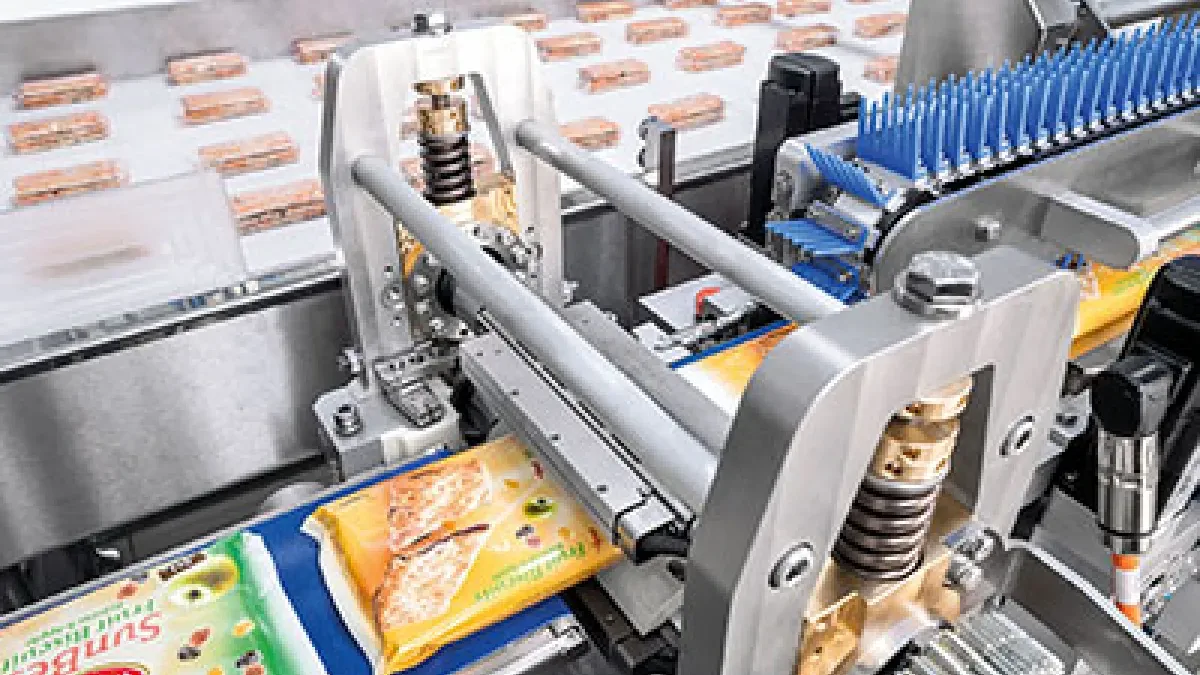
Auswirkungen auf die Lieferkette und die Kosten
Die anfänglichen Stückkosten für Monofolien können höher sein (beschichtete Folien, Spezial-Coextrusion). Aber die TCO verbessern sich häufig, wenn Sie modellieren:
- Weniger Liefer-SKUs und vereinfachte Lagerhaltung.
- Niedrigere EPR-Gebühren und geringeres Risiko für Einzelhändler.
- Weniger zurückgewiesene Ballen bei den Wiederaufbereitungsunternehmen (höhere Recyclinggutschrift).
Budget für Testläufe, Requalifizierung der Anlage und Grenzertragsverluste während der Anlaufphase. Die Bereitschaft des Lieferanten und die Erfahrung des Konverters sind die wichtigsten Risikofaktoren.
Praktische Schritte für den Anfang
- Aktuelle Laminate prüfen und explizite MVTR/OTR- und mechanische Ziele festlegen.
- Wählen Sie Monostrukturen als Kandidaten aus (auf PE- oder PP-Basis) und führen Labortests durch (Barriere, Biegebruch, Durchstoß).
- Pilot an der eigentlichen Einfüll- und Verschließlinie, Ausbeute, Siegeldaten und organoleptische Ergebnisse.
- Validierung der Rezyklierbarkeit mit lokalen Sortierern oder Drittanbietern; Einholung von Erklärungen zur Recycelbarkeit.
- Schrittweise Einführung, zunächst bei weniger anspruchsvollen Produkten (Trockensnacks, Tiefkühlkost), dann Ausweitung.
Anwendungsszenarien
Gute Einstiegskandidaten: Trockensnacks, Tiefkühlportionen, Pulver-Nachfüllpackungen, unkritische Beutel mit Ausgießer für kurze Haltbarkeitsdauer.
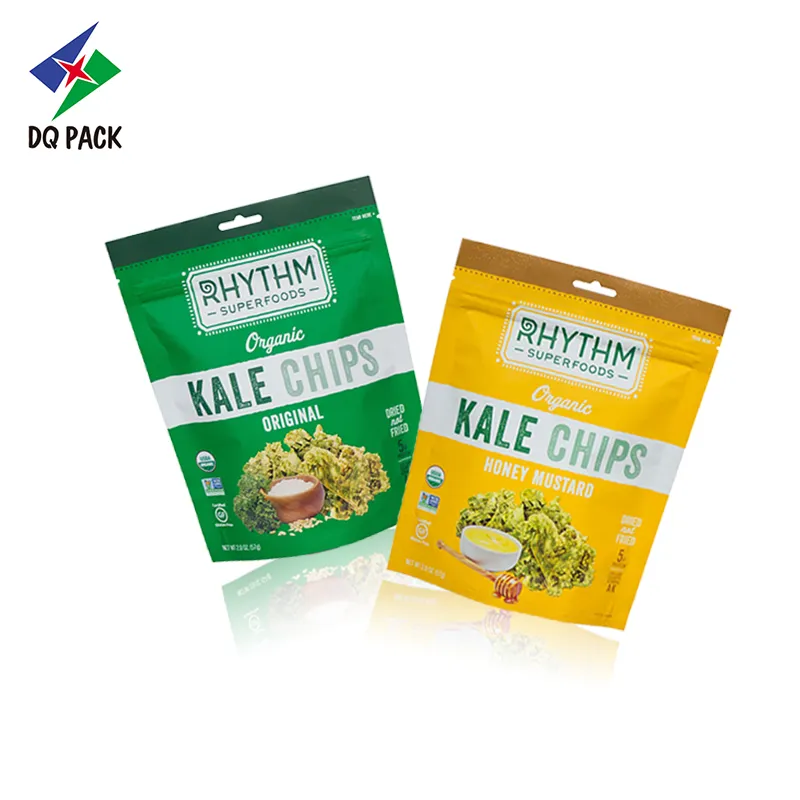
Vorsicht oder zusätzliche Technik erforderlich bei: fetthaltigen Saucen mit langer Haltbarkeit, Retortenprodukten oder heiß abgefüllten Flüssigkeiten mit hoher Hitze - diese benötigen oft noch Metall- oder PET-Schichten, um die Barriereanforderungen zu erfüllen.
Schlussfolgerung
Einstoffliche flexible Verpackungen ist ein praktischer, skalierbarer Ansatz, um sowohl nachhaltige Verpackung und die Einhaltung von Vorschriften - aber nur, wenn sie mit technischer Strenge ausgewählt werden. Marken, die die Einführung von Monofolien als integriertes Programm betrachten (Materialauswahl, Druckchemie, Versiegelungsfenster, Pilotvalidierung und Einbeziehung von Recyclern), werden Umweltvorteile erzielen, ohne den Produktschutz oder die Regalleistung zu beeinträchtigen. Andernfalls wird einfach eine Reihe von Problemen gegen andere ausgetauscht.
Setzen Sie Monomaterial-Lösungen dort ein, wo sie die funktionalen Ziele erfüllen, und nutzen Sie die Validierung in Pilotprojekten, um die Recyclingfähigkeit und Leistung zu beweisen, bevor Sie sie in größerem Umfang einsetzen. Auf diese Weise wird Monomaterial sowohl nachhaltig als auch kommerziell rentabel.
Über DQ Pack
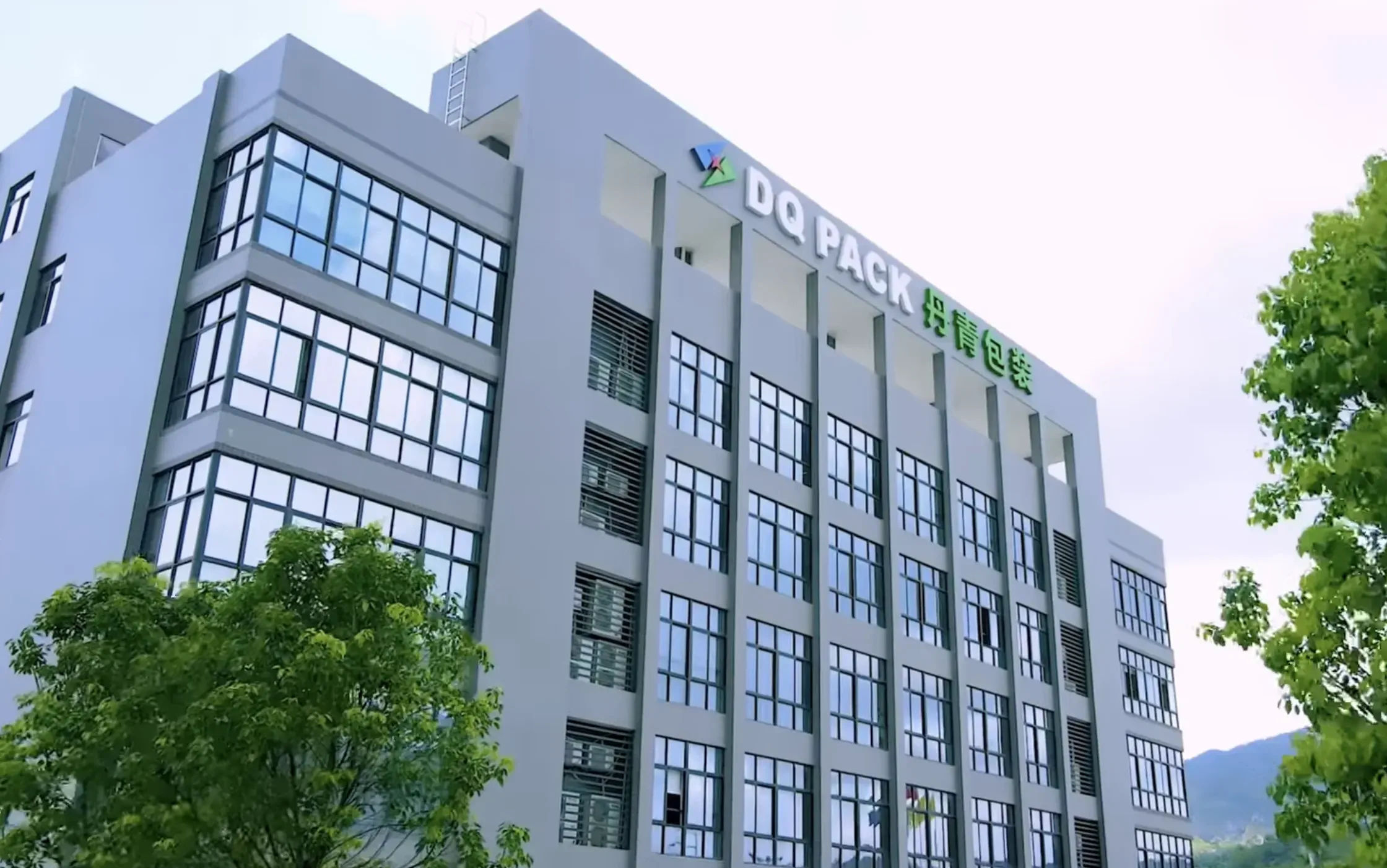
DQ Pack ist ein erfahrener Hersteller von kundenspezifischen flexiblen Verpackungen mit integrierten F&E-, Folienkaschierungs-, Druck-, Beutelverarbeitungs- und Qualitätskontrollsystemen. Durch die interne Verwaltung von Materialbeschaffung, Barrieretechnik und Prozessvalidierung gewährleistet DQ Pack eine stabile Chargenleistung in Bezug auf Siegelstärke, Barrierekonsistenz und Druckgenauigkeit.
Unsere Fabriken sind in der Lage, Folgendes zu entwickeln maßgeschneiderte flexible Monomaterial-Verpackungslösungen auf die Haltbarkeitsziele der Kunden und die gesetzlichen Anforderungen abgestimmt. DQ Pack bietet Markeninhabern, Händlern und Vertragsverpackern skalierbare OEM/ODM-Programme, die durch dokumentierte Tests, Rückverfolgbarkeit und langfristige B2B-Lieferverlässlichkeit unterstützt werden.