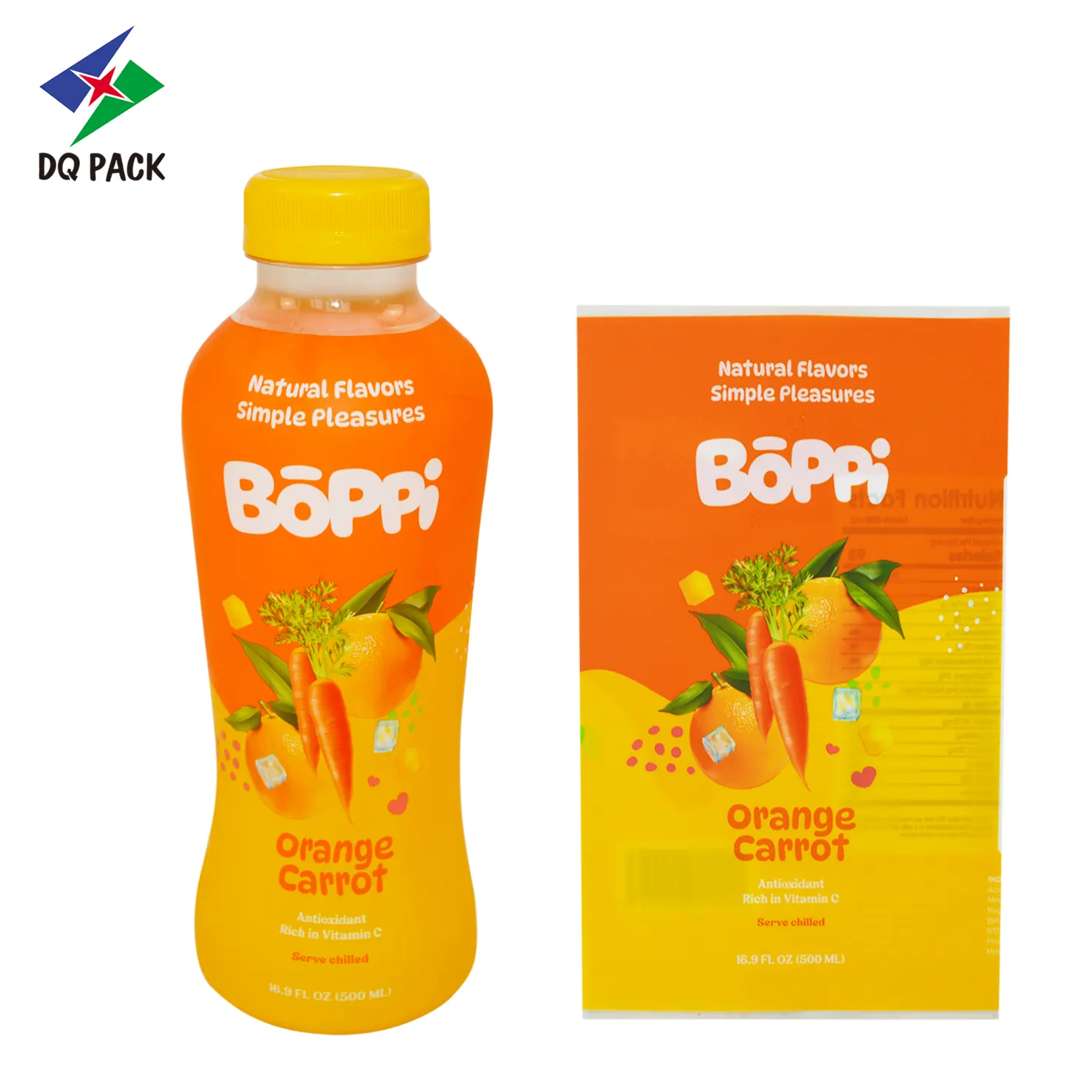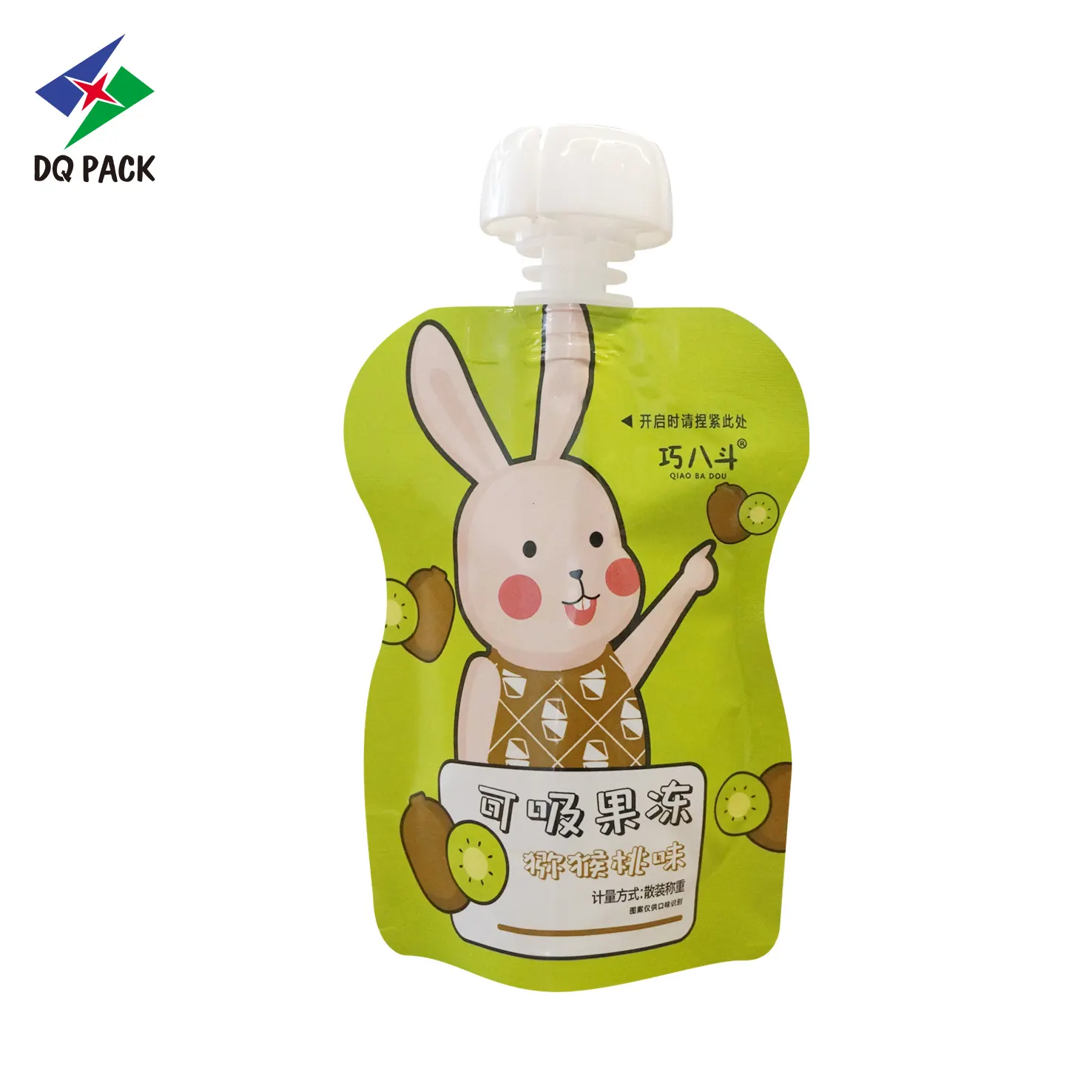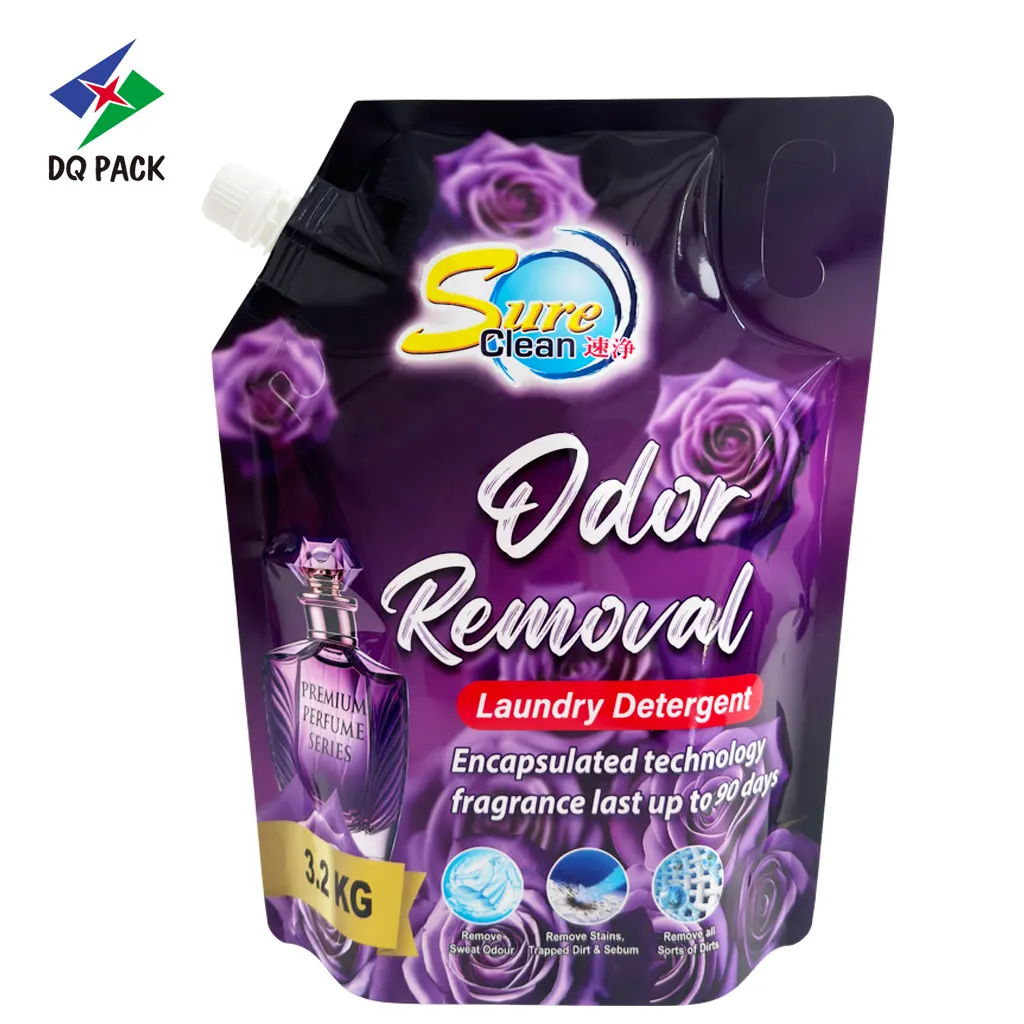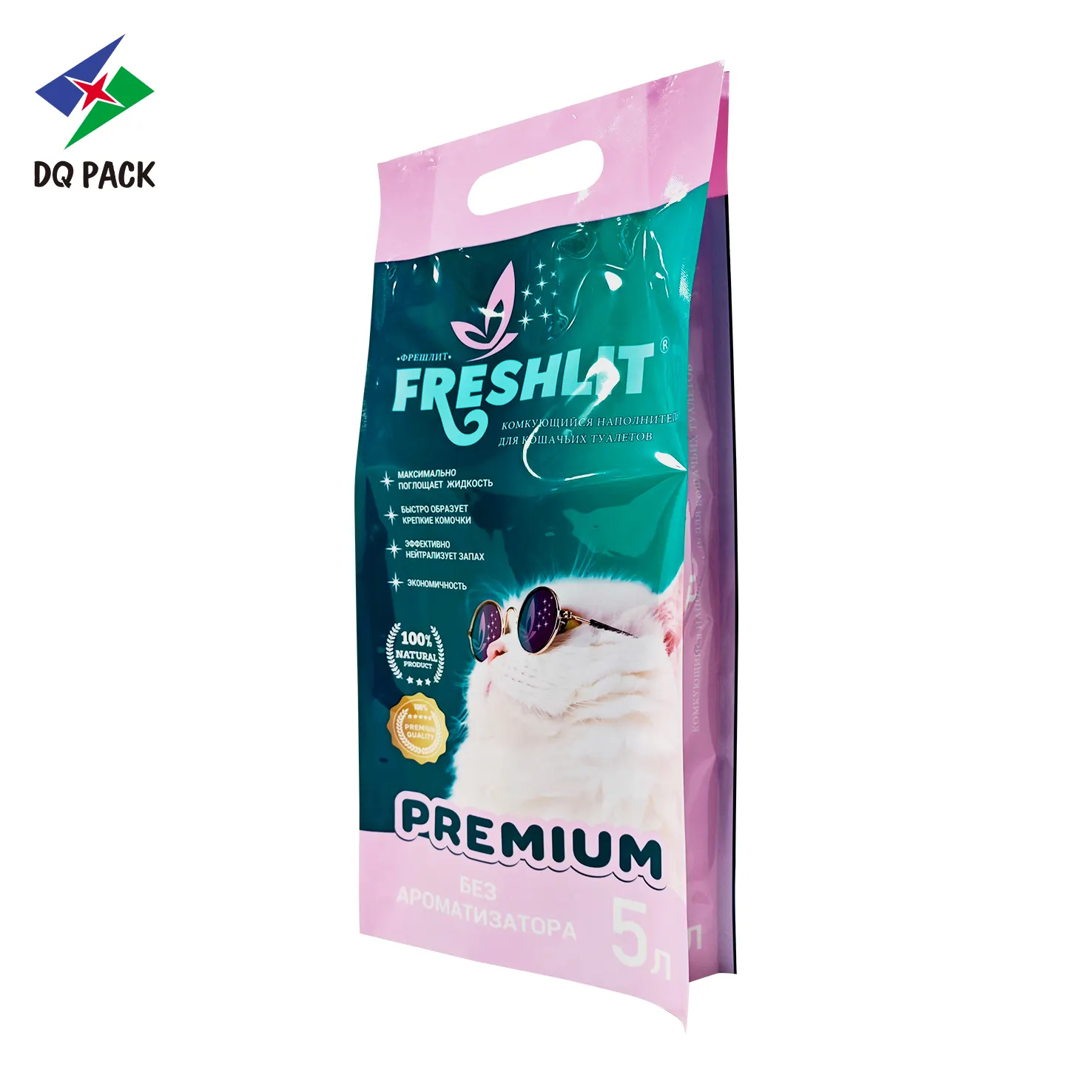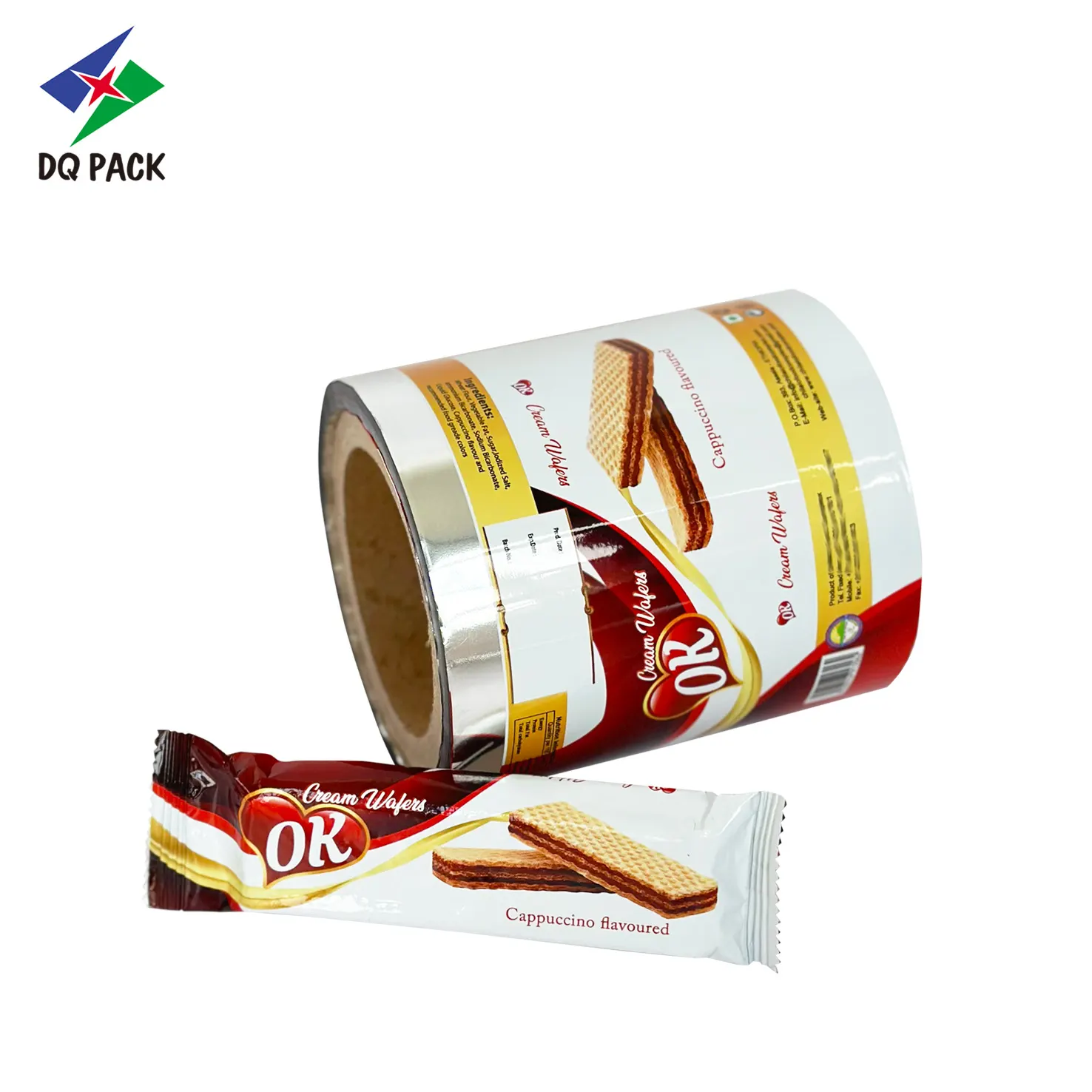


Die Wahl des richtigen Hersteller von kundenspezifischen flexiblen Verpackungen In China reicht es nicht aus, nur die Preise zu vergleichen. Internationale Einkäufer sollten Zertifizierungen, Produktionskapazitäten, Qualitätssicherungssysteme, Fachwissen im Bereich der kundenspezifischen Anpassung sowie die langfristige Liefersicherheit prüfen. DQ PACK bietet maßgeschneiderte Lösungen für flexible Verpackungen gestützt auf moderne Druckmaschinen, automatisierte Produktionslinien, ein nach ISO 9001 zertifiziertes Qualitätsmanagement sowie weltweite Exportkompetenz, um Marken dabei zu unterstützen, sichere, effiziente und skalierbare Verpackungslösungen zu realisieren.
Warum es sinnvoll ist, flexible Verpackungen aus China zu beziehen
Die Wahl des richtigen Verpackungspartners ist eine der wichtigsten Entscheidungen für Lebensmittelmarken, Getränkehersteller, Tierfutterunternehmen, Kosmetikhersteller und Einzelhandelshändler. Ein zuverlässiger Hersteller von kundenspezifischen flexiblen Verpackungen Das Unternehmen stellt nicht einfach nur Beutel oder Folien her, sondern wird zu einem strategischen Partner, der den Produktschutz, die Markenpräsentation, die Einhaltung gesetzlicher Vorschriften und die Stabilität der Lieferkette unterstützt.
Allerdings kann nicht jede Verpackungsfabrik gleichbleibende Qualität, zuverlässige Lieferungen und die Einhaltung internationaler Marktanforderungen gewährleisten. Für globale Einkäufer erfordert die Auswahl des richtigen Lieferanten einen strukturierten Bewertungsprozess.
China hat ein umfassendes Ökosystem für flexible Verpackungen aufgebaut, das Rohstofflieferanten, Anbieter von Drucktechnologien, Laminierungsspezialisten und Hersteller fertiger Verpackungen umfasst. Diese integrierte Lieferkette ermöglicht es Einkäufern, auf maßgeschneiderte Lösungen mit effizienten Produktionszyklen und wettbewerbsfähigen Kosten zurückzugreifen.
Nach Angaben der World Packaging Organisation spielen Verpackungen eine entscheidende Rolle beim Produktschutz, bei der Transporteffizienz und bei der Kommunikation mit den Verbrauchern, weshalb die Auswahl der Lieferanten ein wesentlicher Faktor für den Erfolg von Verpackungen ist.
Für internationale Unternehmen bietet die Beschaffung aus China mehrere Vorteile:
1. Ausgereifte Fertigungsinfrastruktur
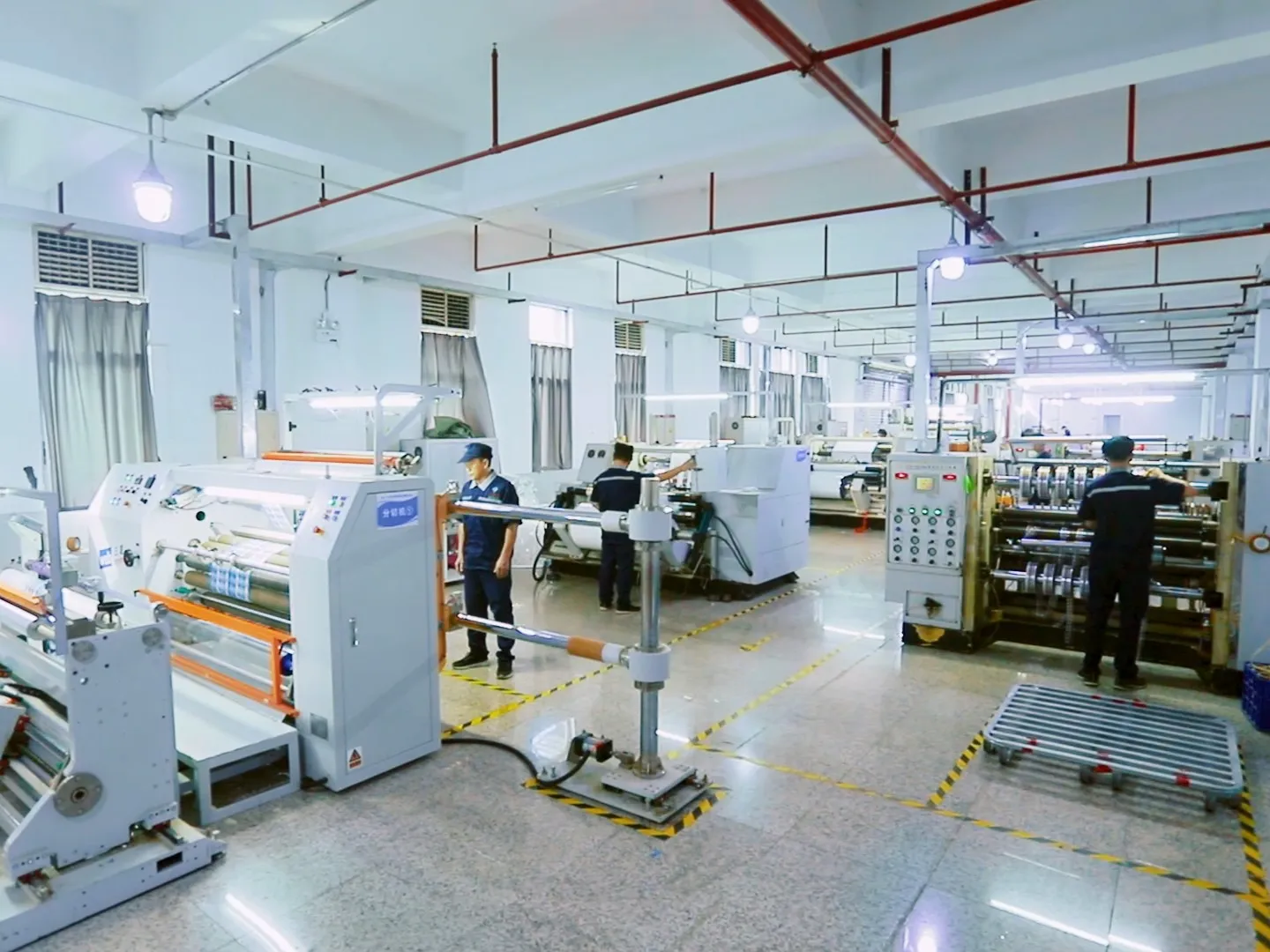
Eine professionelle chinesische Verpackungsfabrik vereint in der Regel mehrere Produktionsprozesse, darunter:
- Tiefdruck
- Optionen für den Digitaldruck
- Trocken- oder lösungsmittelfreie Laminierung
- Schlitzen
- Taschenherstellung
- Qualitätskontrolle
- Entwicklung maßgeschneiderter Verpackungen
Dieses integrierte Fertigungsmodell verringert die Abhängigkeit von mehreren Lieferanten und verbessert die Konsistenz der Produktion.
2. Umfangreiche Anpassungsmöglichkeiten

Moderne Marken benötigen Verpackungen, die zu ihrer Marktpositionierung passen. Ein kompetenter Anbieter für maßgeschneiderte Hersteller flexibler Verpackungen kann Folgendes bieten:
- Individuelle Größen und Strukturen
- Verschiedene Barrierematerialien
- Matte oder glänzende Oberflächen
- Besondere Druckeffekte
- Optionen für Reißverschluss, Ausguss, Ventil und Griff
- OEM- und ODM-Verpackungslösungen
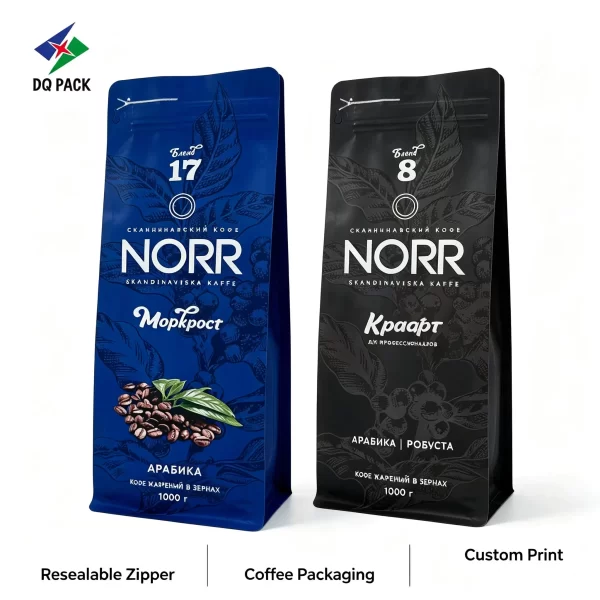
So benötigen beispielsweise Kaffeemarken möglicherweise Verpackungen mit hoher Barrierewirkung, um das Aroma zu bewahren, während bei Tierfuttermarken die Durchstoßfestigkeit und die Wiederverschließbarkeit im Vordergrund stehen.
3. Wettbewerbsfähige Produktionskosten
Chinas hochmoderne Fertigungsinfrastruktur ermöglicht es Unternehmen, Kosteneffizienz zu erzielen, ohne dabei Abstriche bei den Möglichkeiten zur individuellen Anpassung machen zu müssen.
Professionelle Einkäufer sollten sich jedoch bewusst sein, dass das günstigste Angebot nicht immer die beste Wahl ist. Die Leistungsfähigkeit der Verpackung, die Einhaltung von Vorschriften und die Produktionssicherheit wirken sich direkt auf die langfristigen Geschäftskosten aus.
Vor- und Nachteile der Beschaffung flexibler Verpackungen aus China
Profis
1. Umfangreiche Anpassungsmöglichkeiten
Chinesische Hersteller unterstützen in der Regel verschiedene Verpackungsformate, darunter:
- Standbodenbeutel
- Beutel mit flachem Boden
- Vakuumbeutel
- Ausgießerbeutel
- Folien auf Rollen
- Reißverschlussbeutel
2. Wettbewerbsfähige Produktionskosten
Hohe Produktionskapazitäten und ausgereifte Lieferketten helfen Marken dabei, ihre Verpackungsbudgets zu optimieren.
3. Umfassende Erfahrung im Exportgeschäft
Erfahrene Lieferanten kennen sich mit den Anforderungen des internationalen Versands, den erforderlichen Unterlagen und den Marktvorschriften aus.
Nachteile
1. Herausforderungen in der Kommunikation
Manchen Lieferanten fehlen möglicherweise professionelle Prozesse für die internationale Kommunikation, was zu Missverständnissen hinsichtlich der Spezifikationen oder Zeitpläne führen kann.
2. Qualitätsunterschiede zwischen den Fabriken
Der chinesische Verpackungsmarkt umfasst sowohl moderne Hersteller als auch kleine Werkstätten. Einkäufer müssen die Leistungsfähigkeit der Lieferanten sorgfältig prüfen.
3. Mindestbestellmengen
Maßgeschneiderte Verpackungen erfordern oft Mindestabnahmemengen, da Druckplatten, Materialien und die Einrichtung der Produktion mit Anfangskosten verbunden sind.
Schritt 1: Überprüfung der erforderlichen Zertifizierungen und der Einhaltung gesetzlicher Vorschriften
Bevor Sie eine benutzerdefinierte Option auswählen Hersteller flexibler Verpackungen, sollten internationale Einkäufer überprüfen, ob der Lieferant die erforderlichen Branchenstandards erfüllt.
Ein professioneller Verpackungslieferant sollte transparente Unterlagen zu folgenden Punkten bereitstellen:
- Qualitätsmanagementsysteme
- Einhaltung der Lebensmittelsicherheitsvorschriften
- Prüfung der Materialsicherheit
- Umweltanforderungen
- Exportunterlagen
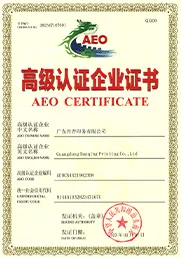

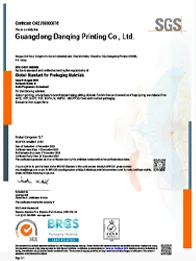
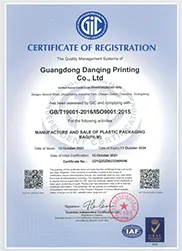
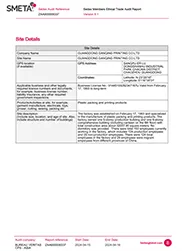
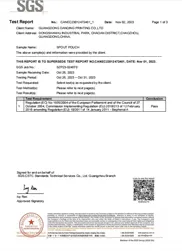
Wichtige Zertifizierungen, auf die Sie achten sollten
Qualitätsmanagementsystem nach ISO 9001
Die Zertifizierung nach ISO 9001 belegt, dass ein Hersteller standardisierte Qualitätsmanagementverfahren eingeführt hat, die Produktionsprozesse, Prüfungen und die kontinuierliche Verbesserung abdecken.
Nach Angaben der Internationalen Organisation für Normung (ISO) unterstützt die Norm ISO 9001 Unternehmen dabei, durch ein systematisches Qualitätsmanagement die Konsistenz ihrer Betriebsabläufe und die Kundenzufriedenheit zu verbessern.
Einhaltung der FDA-Vorschriften für Lebensmittelverpackungen
Bei Verpackungen für Lebensmittel, die in die Vereinigten Staaten exportiert werden, sollten Käufer überprüfen, ob die Verpackungsmaterialien den einschlägigen FDA-Anforderungen entsprechen.
BRCGS-Standard für Verpackungsmaterialien
Für Lieferanten der Lebensmittel-, Getränke- und Einzelhandelsbranche kann die BRCGS-Zertifizierung zusätzliches Vertrauen in Bezug auf Hygienekontrollen, Produktsicherheit und Herstellungsverfahren schaffen.
Fragen, die Käufer vor einer Zusammenarbeit stellen sollten
Bevor Sie eine Großbestellung aufgeben, sollten Sie sich Folgendes fragen:
F: Kann der Lieferant Zertifizierungsunterlagen vorlegen?
A zuverlässiger Verpackungshersteller sollten gültige Zertifikate und Prüfberichte vorlegen, anstatt sich nur auf mündliche Zusicherungen zu beschränken.
F: Sind die Rohstoffe rückverfolgbar?
Professionelle Fabriken sollten Lieferantenunterlagen führen und Materialprüfungsverfahren einhalten, um die Konsistenz zwischen den Chargen sicherzustellen.
F: Ist das Werk mit den internationalen Vorschriften vertraut?
Erfahrung im Export ist wichtig, da verschiedene Märkte unterschiedliche Anforderungen hinsichtlich Kennzeichnung, Materialien und Verpackungssicherheit stellen.
Schritt 2: Bewertung der technischen und fertigungstechnischen Kapazitäten
Die Ausstattung und die Produktionserfahrung eines Werks wirken sich unmittelbar auf die Verpackungsqualität aus.
Bei der Bewertung einer kundenspezifischen Lösung Hersteller flexibler Verpackungen, sollten Käufer über Produktkataloge hinausblicken und sich über die tatsächlichen Fertigungskapazitäten informieren.
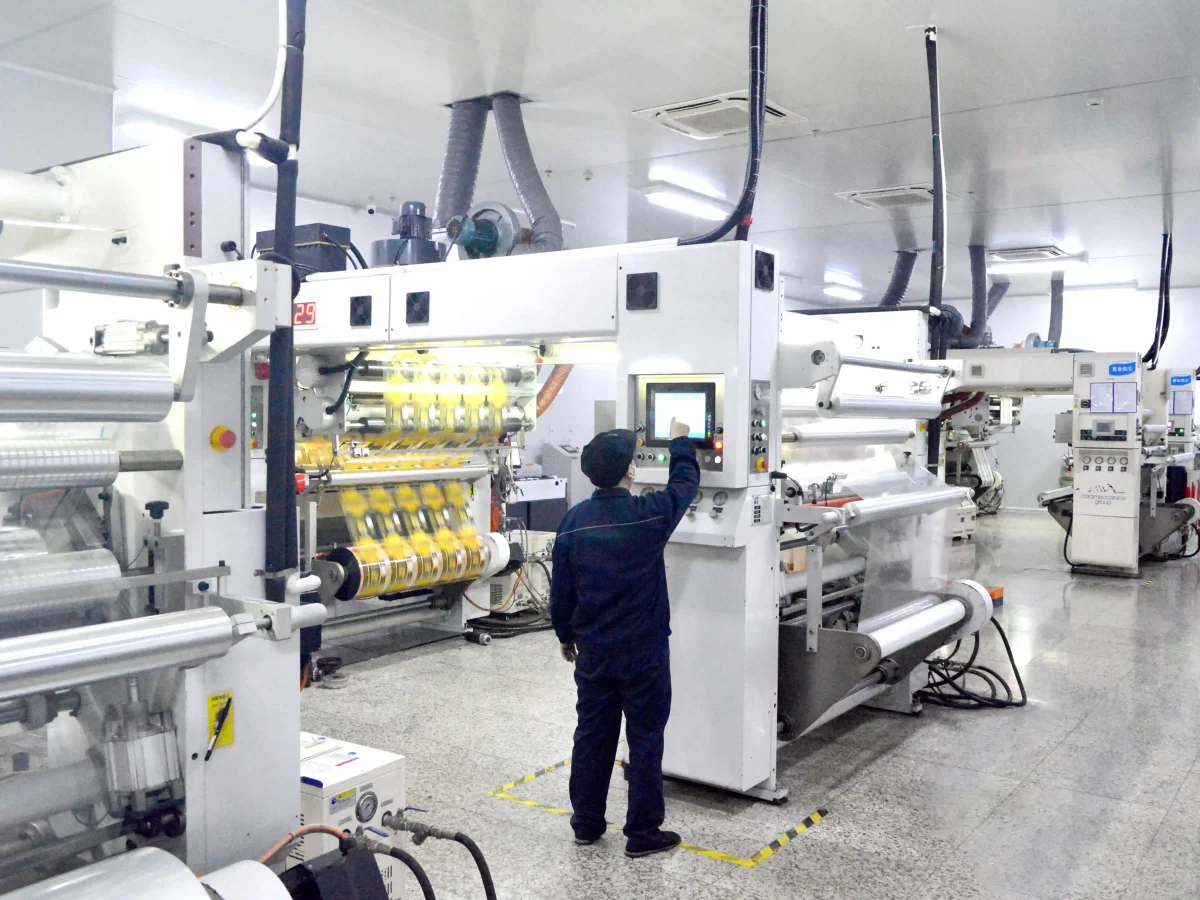
A professionelle flexible Verpackungen Die Fabrik sollte Folgendes haben:
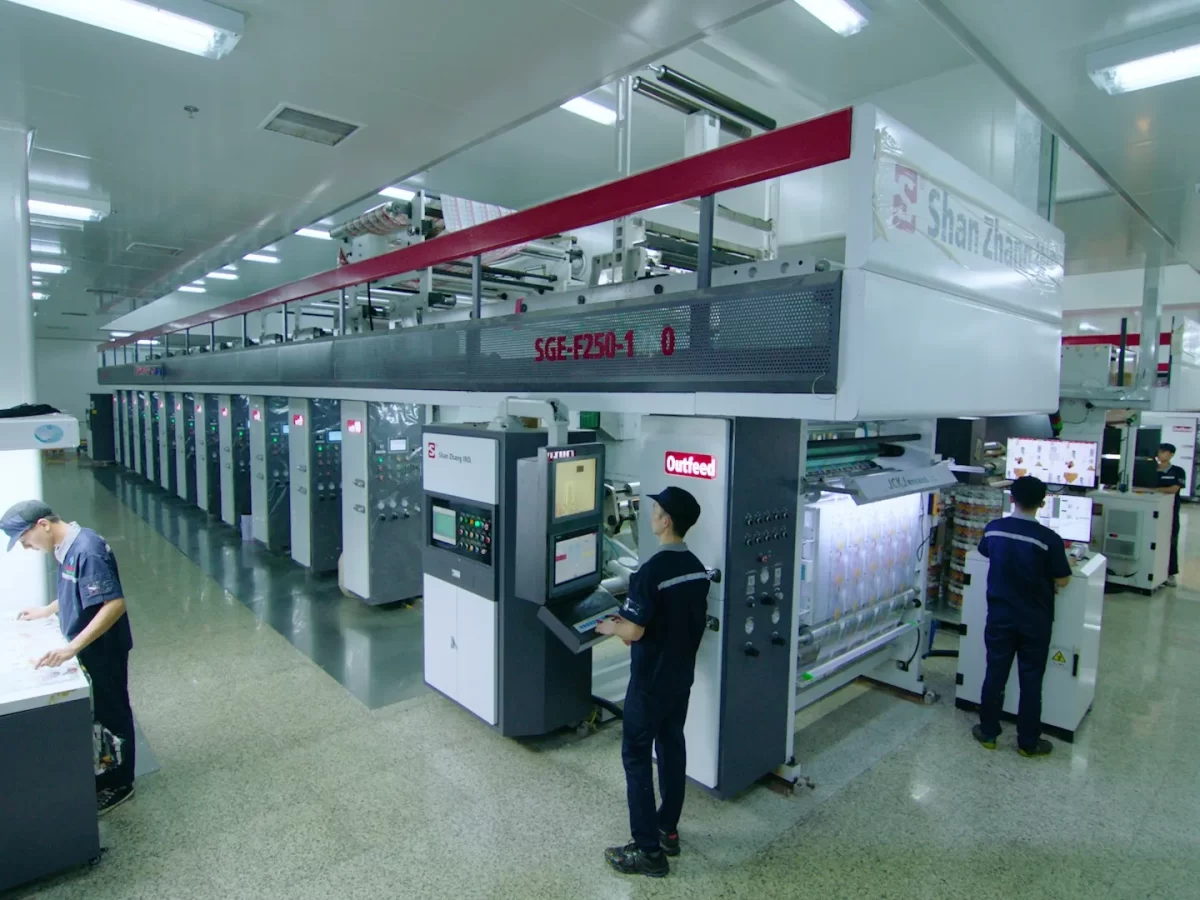
Hochmoderne Drucklinien
Hochwertige Druckgeräte gewährleisten:
- Präzise Farbwiedergabe
- Gleichbleibende Druckqualität
- Klare Markengrafiken
- Weniger Produktionsfehler
Hochgeschwindigkeits-Laminierungssysteme
Die Laminierung bestimmt die Festigkeit der Verpackung, ihre Barrierewirkung und ihre Haltbarkeit.
Moderne Fabriken setzen üblicherweise Folgendes ein:
- Lösungsmittelfreie Laminierung
- Trockenlaminierung
- Hochleistungs-Klebstoffsysteme
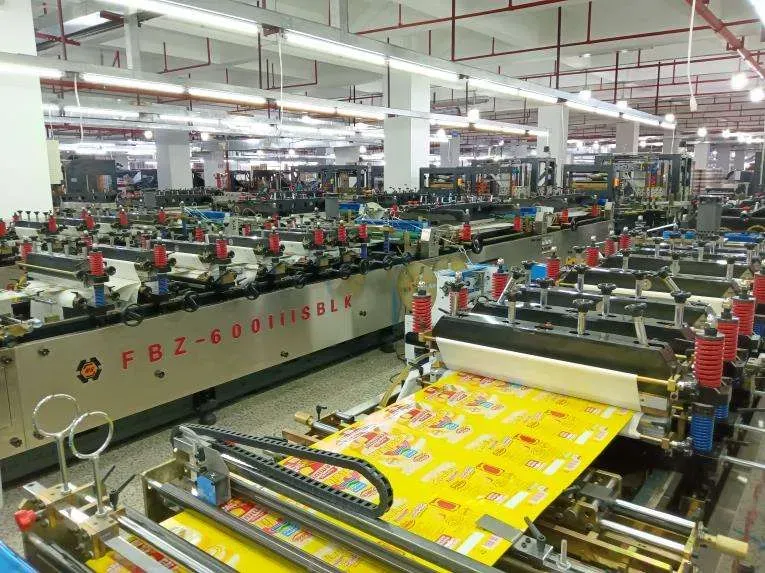
Automatisierte Beutelherstellung
Die Automatisierung verbessert:
- Produktionseffizienz
- Maßgenauigkeit
- Konsistenz der Versiegelung
- Lieferzuverlässigkeit
Warum der Maßstab einer Fabrik wichtig ist
Ein Großbetrieb bietet in der Regel folgende Vorteile:
| Faktor | Vorteil |
|---|---|
| Produktionskapazität | Unterstützt Großbestellungen |
| Investitionen in Ausrüstung | Gewährleistet eine gleichbleibende Qualität |
| Fachkräfte | Verbessert die Fertigungsgenauigkeit |
| Prozesssteuerung | Reduziert Produktionsrisiken |
Die Größe einer Fabrik allein ist jedoch kein Garant für Qualität. Käufer sollten die Ausrüstung, die Managementsysteme und die tatsächlichen Kundenerfahrungen gemeinsam bewerten.
Schritt 3: Überprüfung der Protokolle und Geräte zur Qualitätskontrolle (QC)
Gleichbleibende Qualität ist einer der wichtigsten Faktoren bei der Auswahl einer maßgeschneiderten Lösung Hersteller flexibler Verpackungen in China. Ein Verpackungslieferant mag zwar über moderne Maschinen und wettbewerbsfähige Preise verfügen, doch ohne strenge Qualitätskontrollsysteme können Käufer mit Problemen wie Farbabweichungen, unzureichender Versiegelung, falschen Abmessungen, Delaminierung oder Materialfehlern konfrontiert werden.
A professioneller Hersteller sollte über einen umfassenden Qualitätskontrollprozess verfügen, der Rohstoffe, Produktionsstufen und Fertigprodukte abdeckt.
1. Rohstoffprüfung
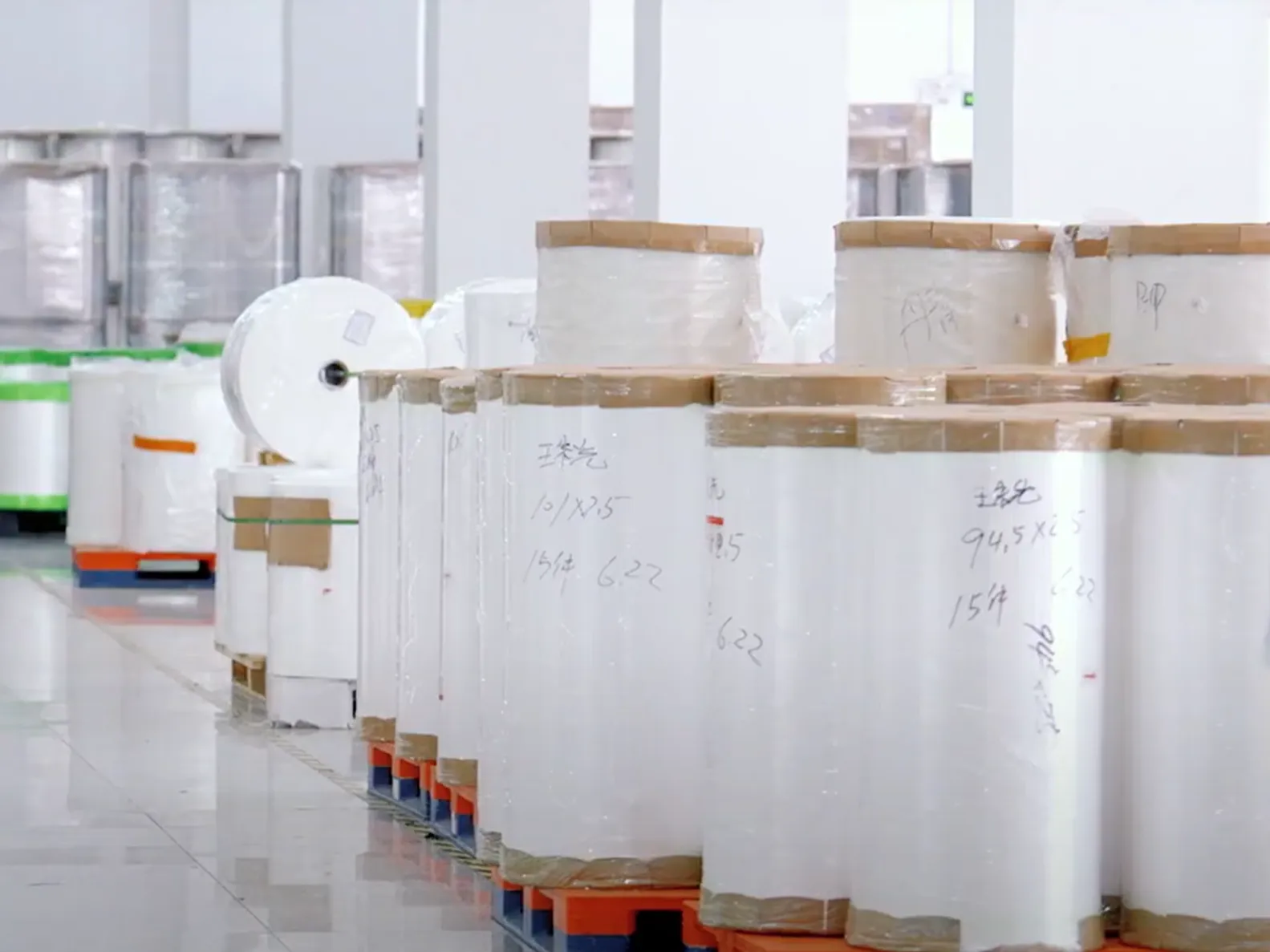
Eine hochwertige Verpackung beginnt mit zuverlässigen Rohstoffen.
Vor Produktionsbeginn sollten erfahrene Hersteller Folgendes überprüfen:
- Kunststofffolien
- Aluminiumfolienlagen
- Klebstoffe
- Druckfarben
- Reißverschlusskomponenten
- Auslaufzubehör
Zu den wichtigsten Prüfpunkten gehören:
- Dicke des Materials
- Leistung der Barriere
- Oberflächenqualität
- Kompatibilität zwischen den Ebenen
- Sicherheit im Umgang mit Lebensmitteln
Bei Verpackungen für Lebensmittel, Getränke und Arzneimittel ist die Rückverfolgbarkeit der Materialien besonders wichtig, da die Verpackung direkten Einfluss auf die Produktsicherheit und die Haltbarkeit hat.
2. Produktionsüberwachung während des Prozesses
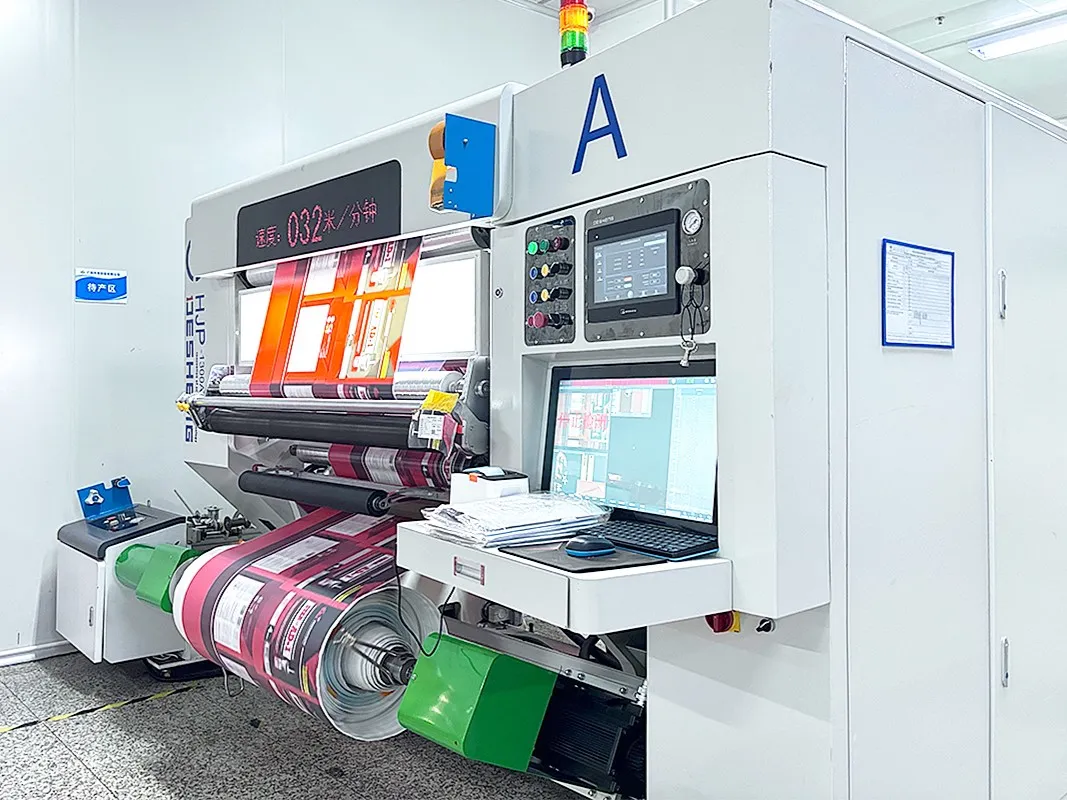
Eine professionelle Sonderanfertigung Hersteller flexibler Verpackungen Man sollte nicht bis zur Endabnahme warten, um Probleme zu erkennen.
Während des gesamten Herstellungsprozesses sollten Qualitätskontrollen durchgeführt werden, darunter:
Qualitätskontrolle beim Druck
Hersteller sollten Folgendes überwachen:
- Farbgenauigkeit
- Registrierungsgenauigkeit
- Tintenhaftung
- Druckfehler
Dies ist besonders wichtig für Marken, bei denen es darauf ankommt, dass das Erscheinungsbild der Verpackung über verschiedene Produktionschargen hinweg einheitlich bleibt.
Prüfung der Laminierqualität
Die Laminierqualität entscheidet darüber, ob die Verpackungsschichten während des Transports und der Lagerung stabil bleiben.
Zu den gängigen Tests gehören:
- Prüfung der Schälfestigkeit
- Prüfung der Aushärtung von Klebstoffen
- Bewertung der Schichtverklebung
Eine mangelhafte Laminierung kann folgende Folgen haben:
- Folientrennung
- Verminderte Barrierewirkung
- Verpackungsfehler
Prüfung der Beutelherstellung
Bei der Herstellung von Beuteln sollten die Fabriken Folgendes überprüfen:
- Maße der Tasche
- Siegelfestigkeit
- Eröffnungsvorstellung
- Reißverschlussfunktion
- Durchgangswiderstand
3. Prüfung des Endprodukts
Vor dem Versand sollten qualifizierte Hersteller Endkontrollen auf der Grundlage der Kundenanforderungen durchführen.
Zu den typischen Tests gehören:
| Prüfpunkt | Zweck |
|---|---|
| Prüfung der Dichtungsfestigkeit | Gewährleistet die Haltbarkeit der Verpackung |
| Falltest | Bewerten die Verkehrssicherheit |
| Dickenmessung | Bestätigt die Materialspezifikationen |
| Sichtprüfung | Sorgt für eine einheitliche Optik |
| Barriereprüfung | Erhält die Frische des Produkts |
Schritt 4: Informationen zu Mindestbestellmenge, Preisen und Flaschengebühren
Die Preisgestaltung ist ein wichtiger Faktor bei der Auswahl eines Verpackungslieferanten, doch erfahrene Einkäufer wissen, dass sich die Verpackungskosten aus mehreren Komponenten zusammensetzen.
Eine professionelle Sonderanfertigung Hersteller flexibler Verpackungen sollten transparente Angebote vorlegen, in denen alle Kostenbestandteile aufgeführt sind.
1. Wovon hängen die Kosten für flexible Verpackungen ab?
Die Preise für Verpackungen hängen in der Regel von folgenden Faktoren ab:
Materialaufbau
Unterschiedliche Produkte erfordern unterschiedliche Materialkombinationen.
Zum Beispiel:
- Kaffeeverpackungen müssen einen wirksamen Aromaschutz bieten.
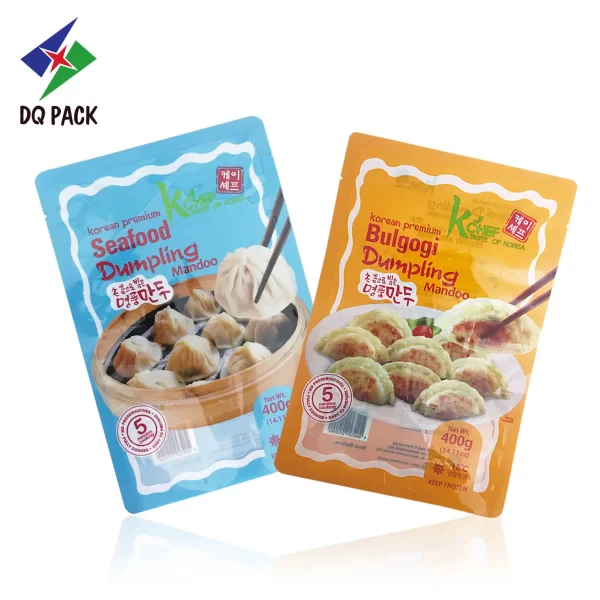
- Verpackungen für Tiefkühlkost müssen kältebeständig sein.
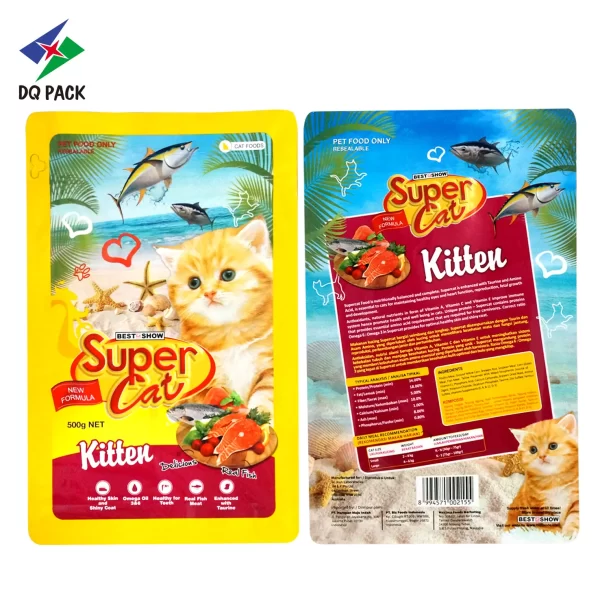
- Verpackungen für Tierfutter müssen strapazierfähig und durchstoßfest sein.
Hochleistungswerkstoffe können zwar die Anschaffungskosten erhöhen, verbessern jedoch den Produktschutz.
Druckverfahren
Die häufigsten Anwendungsbereiche für maßgeschneiderte flexible Verpackungen Tiefdruck denn es bietet:
- Hochwertige Grafiken
- Stabile Farbwiedergabe
- Kosteneffizienz bei großen Stückzahlen
Für den Tiefdruck ist jedoch in der Regel die Herstellung von Druckzylindern erforderlich.
Bestellmenge
Die Mindestbestellmenge (MOQ) wirkt sich auf die Stückkosten aus, da die Rüstkosten auf das gesamte Auftragsvolumen verteilt werden.
Allgemein:
- Größere Mengen senken die Stückkosten.
- Kleinere Mengen bieten Flexibilität, können jedoch mit höheren Preisen verbunden sein.
2. Informationen zu den Flaschengebühren
Viele Käufer sind überrascht, wenn sie Angebote erhalten, in denen Zylindergebühren enthalten sind.
Die Kosten für Druckzylinder hängen in der Regel von der individuellen Druckvorbereitung ab.
Sie umfassen:
- Herstellung von Druckplatten
- Farbtrennung
- Zylindervorbereitung
Im Rahmen einer langfristigen Zusammenarbeit stellen diese Kosten oft eine einmalige Investition dar, da die Zylinder in der Regel für Nachbestellungen wiederverwendet werden können.
Tipp für Käufer: Vergleichen Sie nicht nur die Stückpreise
Bewerten Sie beim Vergleich von Anbietern folgende Aspekte:
- Materialspezifikationen
- Druckqualität
- Produktionskapazität
- Qualitätssicherungssysteme
- Lieferzuverlässigkeit
Ein etwas niedrigerer Preis kann zu höheren Kosten führen, wenn Verpackungsfehler folgende Folgen haben:
- Produktschäden
- Kundenbeschwerden
- Ersatzspieler
- Probleme mit dem Markenruf
Schritt 5: Bewertung der Kommunikation, Stichprobenprüfungen und Audits vor Ort
Ein erfolgreiches Verpackungsprojekt hängt nicht nur von der Fertigungskompetenz ab, sondern auch von der Effizienz der Kommunikation.
Ein verlässlicher Brauch Hersteller flexibler Verpackungen sollte professionelle Unterstützung von der ersten Entwurfsbesprechung bis zur Serienfertigung bieten.
1. Kommunikationsfähigkeit bewerten
Bevor Sie einen Großauftrag erteilen, prüfen Sie, wie der Lieferant mit folgenden Punkten umgeht:
- Produktspezifikationen
- Technische Fragen
- Konstruktionsdateien
- Materialempfehlungen
- Produktionszeitpläne
Professionelle Lieferanten sollten aktiv Lösungen anbieten, anstatt lediglich Aufträge anzunehmen.
Ein erfahrener Verpackungsingenieur könnte beispielsweise vorschlagen:
- Bessere Materialstrukturen
- Möglichkeiten zur Kostenoptimierung
- Verbesserte Dichtungskonstruktionen
- Geeignete Verpackungsformate
2. Fordern Sie vor der Serienfertigung Muster an
Anhand von Stichproben können Käufer Folgendes beurteilen:
- Druckdarstellung
- Materialqualität
- Funktionalität der Verpackung
- Benutzererfahrung
Zu den empfohlenen Untersuchungen gehören:
Leistungstests
Überprüfen:
- Siegelstärke
- Bequeme Öffnung
- Leckagevermeidung
- Speicherleistung
Praktische Produkttests
Testen Sie die Verpackung nach Möglichkeit mit dem tatsächlichen Produkt.
Zum Beispiel:
- Kaffeemarken sollten die Aromastabilität prüfen.
- Saucenmarken sollten die Auslaufsicherheit prüfen.
- Tierfutterhersteller sollten die Haltbarkeit prüfen.
3. Fabrikaudits in Betracht ziehen
Bei Projekten mit großem Umfang vermittelt ein Audit vor Ort ein tieferes Verständnis.
Im Rahmen eines Audits sollten Einkäufer Folgendes überprüfen:
- Fabrikumgebung
- Produktionsanlagen
- Qualitätskontrollverfahren
- Mitarbeiterschulung
- Lagerverwaltung
Ein transparentes Hersteller sollten Werksbesichtigungen anbieten oder detaillierte Videos und Unterlagen zur Produktion bereitstellen.
Checkliste: Warnsignale vs. positive Anzeichen bei der Auswahl einer chinesischen Verpackungsfabrik
Bevor Sie einen Lieferantenvertrag unterzeichnen, nutzen Sie diese Checkliste:
| Bewertungsbereich | Grüne Flaggen ✅ | Warnsignale ❌ |
|---|---|---|
| Zertifizierungen | Liefert ISO-, FDA-, SGS- oder andere relevante Dokumente | Vermeidet Zertifizierungsanfragen |
| Produktionskapazität | Eigene Produktionslinien und Anlagen | Tätig ausschließlich als Handelsunternehmen |
| Qualitätskontrolle | Verfügt über Prüfverfahren und Prüfprotokolle | Kein klar definierter Qualitätskontrollprozess |
| Kommunikation | Professioneller technischer Support | Langsame oder unklare Antworten |
| Beispiele | Stellt Testmuster vor Großbestellungen zur Verfügung | Verweigert die Überprüfung der Probe |
| Preise | Transparente Aufschlüsselung des Angebots | Versteckte Kosten treten erst später zutage |
| Erfahrung | Nachweisbare Erfahrung im Exportgeschäft | Begrenzte internationale Erfahrung |
Häufig gestellte Fragen (FAQ)
Frage 1: Wie finde ich den besten Hersteller für maßgeschneiderte flexible Verpackungen in China?
Der beste Lieferant sollte Fertigungserfahrung, internationale Zertifizierungen, moderne Ausrüstung, Qualitätssicherungssysteme, die Fähigkeit zur individuellen Anpassung sowie eine zuverlässige Kommunikation vereinen.
Käufer sollten die gesamte Lieferkette unter die Lupe nehmen, anstatt ihre Entscheidung allein vom Preis abhängig zu machen.
Frage 2: Über welche Zertifizierungen sollte ein Anbieter von flexiblen Verpackungen verfügen?
Je nach Anwendungsbereich und Markt sollten Käufer auf Zertifizierungen achten wie beispielsweise:
- ISO 9001-Zertifizierung für Qualitätsmanagement
- Einhaltung der FDA-Vorschriften für Materialien mit Lebensmittelkontakt
- SGS-Prüfberichte
- BRCGS-Zertifizierung für Verpackungsmaterialien für Anwendungen im Lebensmittelbereich
Die erforderlichen Zertifizierungen hängen von der Produktkategorie und dem Zielmarkt ab.
Frage 3: Wie hoch ist die übliche Mindestbestellmenge für maßgeschneiderte flexible Verpackungen?
Die Mindestbestellmenge hängt ab von:
- Verpackungsaufbau
- Größe
- Druckverfahren
- Materialauswahl
- Produktionsanforderungen
Maßgeschneiderte Verpackungen in großen Stückzahlen bieten in der Regel eine bessere Stückkostenbilanz, während bei kleineren Bestellungen unter Umständen Digitaldruck oder Standardlösungen erforderlich sind.
Frage 4: Wie kann ich überprüfen, ob eine chinesische Verpackungsfabrik zuverlässig ist?
Käufer können Lieferanten auf folgende Weise überprüfen:
- Überprüfung von Zertifizierungen
- Überprüfung der Werksausstattung
- Muster anfordern
- Durchführung von Qualitätsaudits
- Überprüfung der Exporterfahrung
- Prüfung von Kundenreferenzen
Ein vertrauenswürdiger Lieferant sollte während des gesamten Bewertungsprozesses transparent sein.
Schlussfolgerung
Die Wahl des richtigen Maßanfertigungsangebots Hersteller flexibler Verpackungen Es geht nicht nur darum, eine Fabrik zu finden, sondern eine langfristige Partnerschaft aufzubauen, die die Produktqualität, das Markenwachstum und die Stabilität der Lieferkette fördert.
Warum DQ PACK ein zuverlässiger Partner für maßgeschneiderte Lösungen im Bereich flexibler Verpackungen ist
Seit 1991, DQ PACK hat sich auf maßgeschneiderte Lösungen im Bereich flexibler Verpackungen und Druck für Kunden weltweit spezialisiert. Mit mehr als 30 Jahren Erfahrung in der Fertigung und im Export, DQ PACK hat sich zu einem vertrauenswürdigen Verpackungspartner für Unternehmen entwickelt, die auf zuverlässige Qualität und professionelle Maßanfertigungen Wert legen.
Das Unternehmen betreibt eine 30.000 Quadratmeter große Produktionsstätte, die mit modernsten Fertigungssystemen ausgestattet ist, darunter:
- 6 automatisierte Verpackungsdrucklinien
- 6 lösungsmittelfreie Hochgeschwindigkeits-Laminieranlagen
- 7 fortschrittliche Schneidemaschinen
- 20 Produktionslinien zur Herstellung von Säcken
- Eine Reinraumumgebung der Klasse 300.000
Unterstützt von über 200 qualifizierten Mitarbeitern und einem nach ISO 9001:2018 zertifizierten Qualitätsmanagementsystem, DQ PACK bietet stabile Produktionskapazitäten und strenge Qualitätskontrollen für internationale Märkte.
Als professioneller Anbieter von maßgeschneiderten Lösungen Hersteller flexibler Verpackungen, DQ PACK bietet maßgeschneiderte Lösungen an, darunter Standbeutel, Reißverschlussbeutel, Ausgießbeutel, Vakuumbeutel, Rollenfolien und andere flexible Verpackungsformate für Lebensmittel, Getränke, Tiernahrung, Kosmetika und Konsumgüter.





Wenn Sie auf der Suche nach einem zuverlässigen chinesischen Verpackungspartner sind, der fortschrittliche Fertigungstechniken, Fachwissen im Bereich der individuellen Anpassung und internationale Serviceerfahrung vereint, wenden Sie sich bitte an DQ PACK Kontaktieren Sie uns noch heute, um Ihr nächstes Projekt im Bereich flexible Verpackungen zu besprechen und eine professionelle, auf Ihre Bedürfnisse zugeschnittene Verpackungslösung zu erhalten.