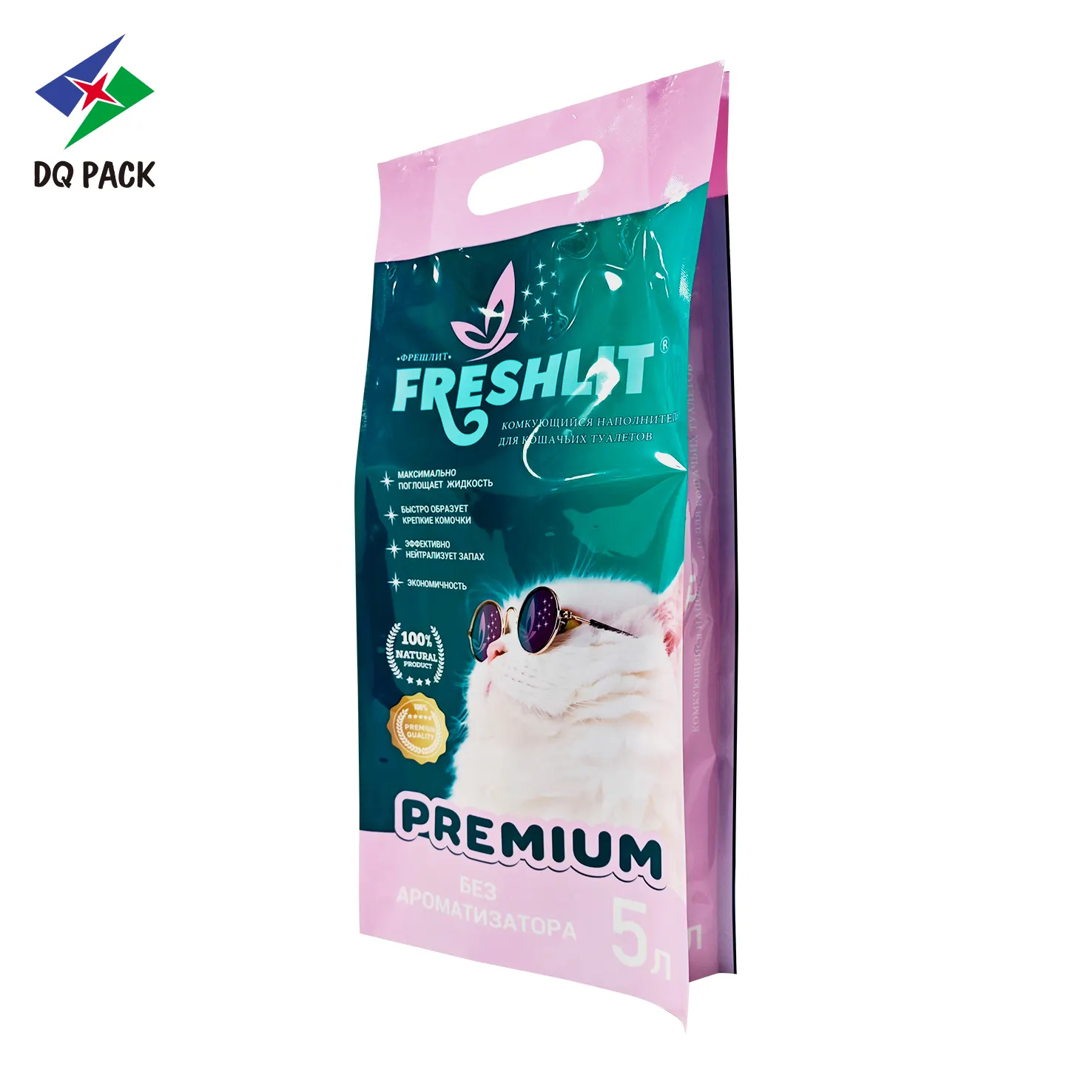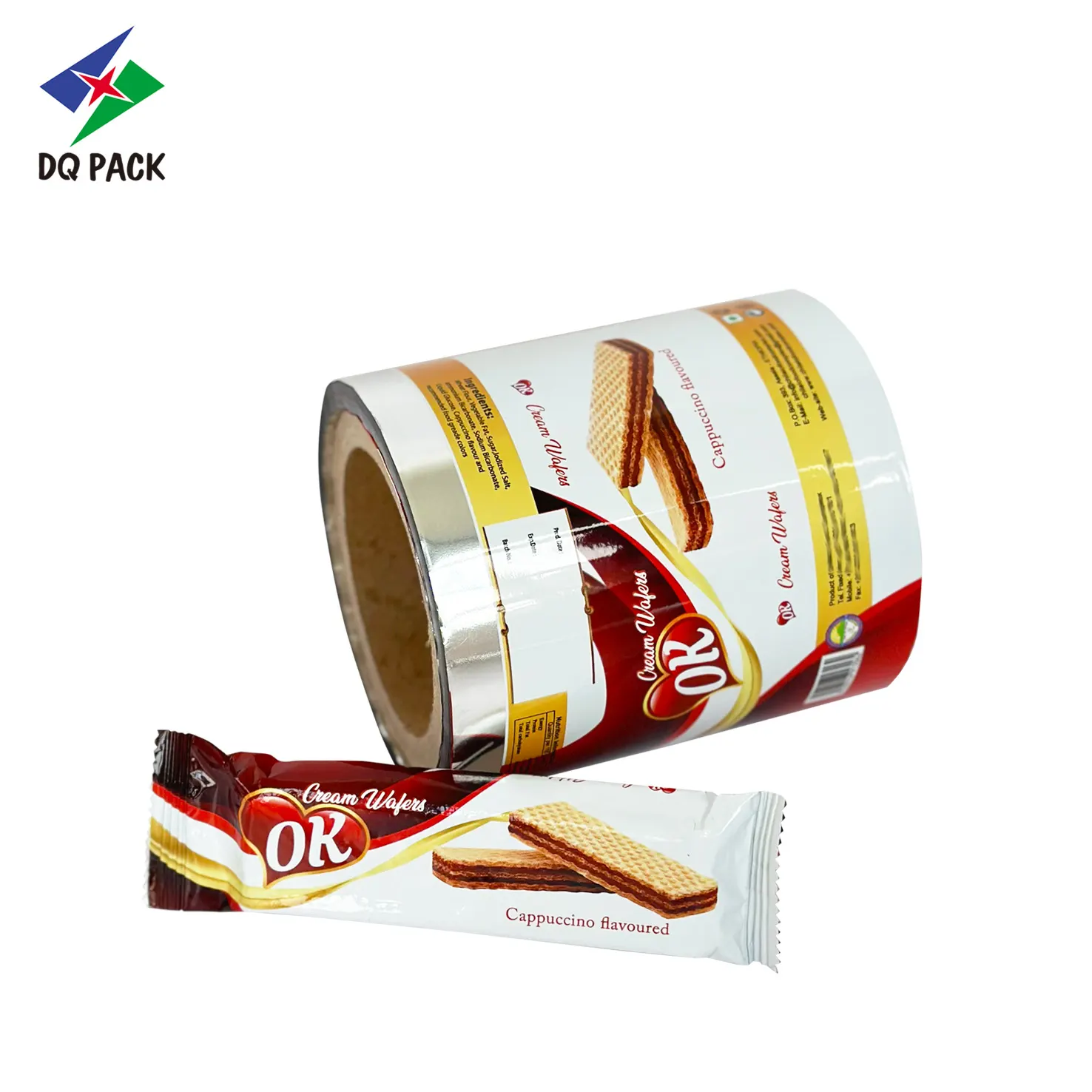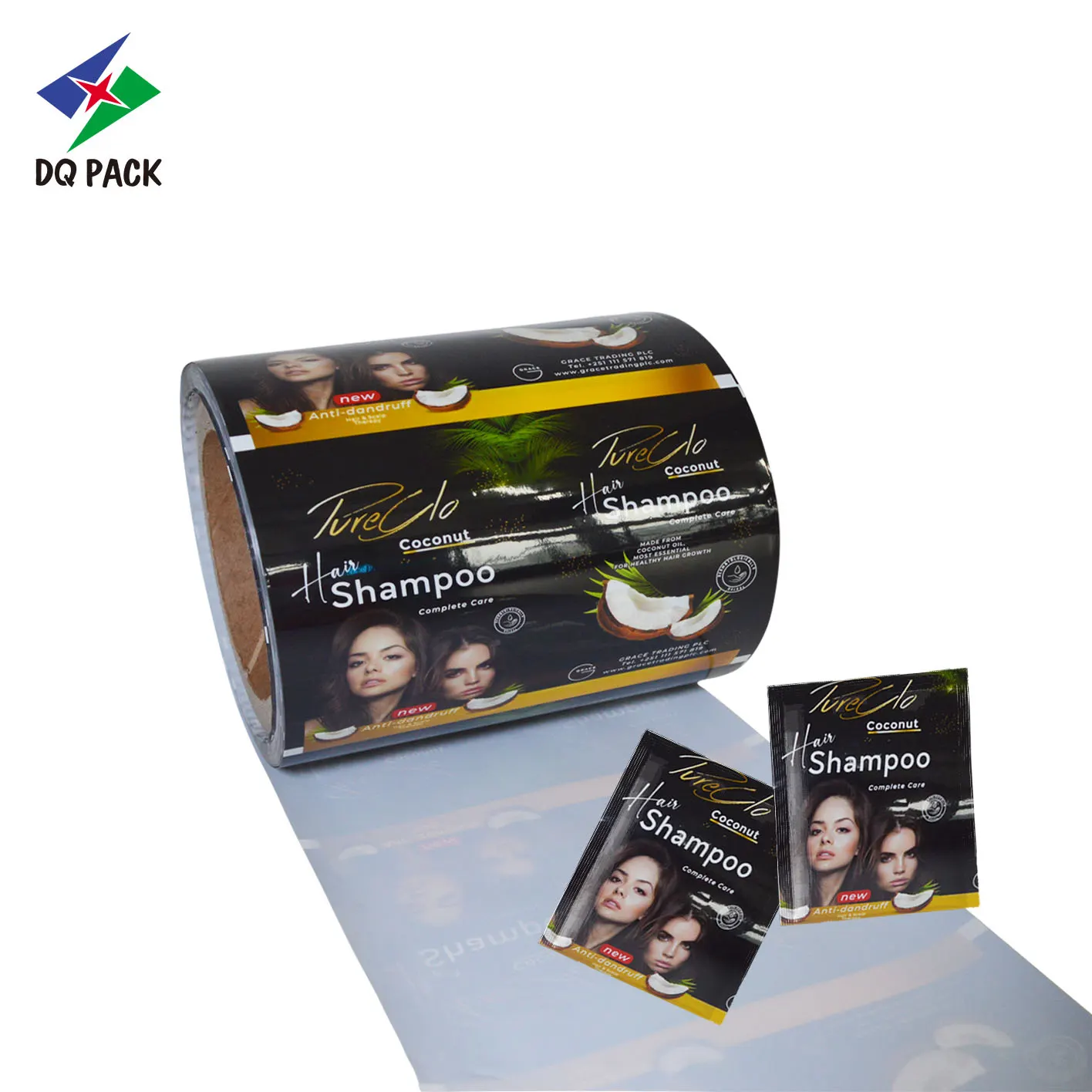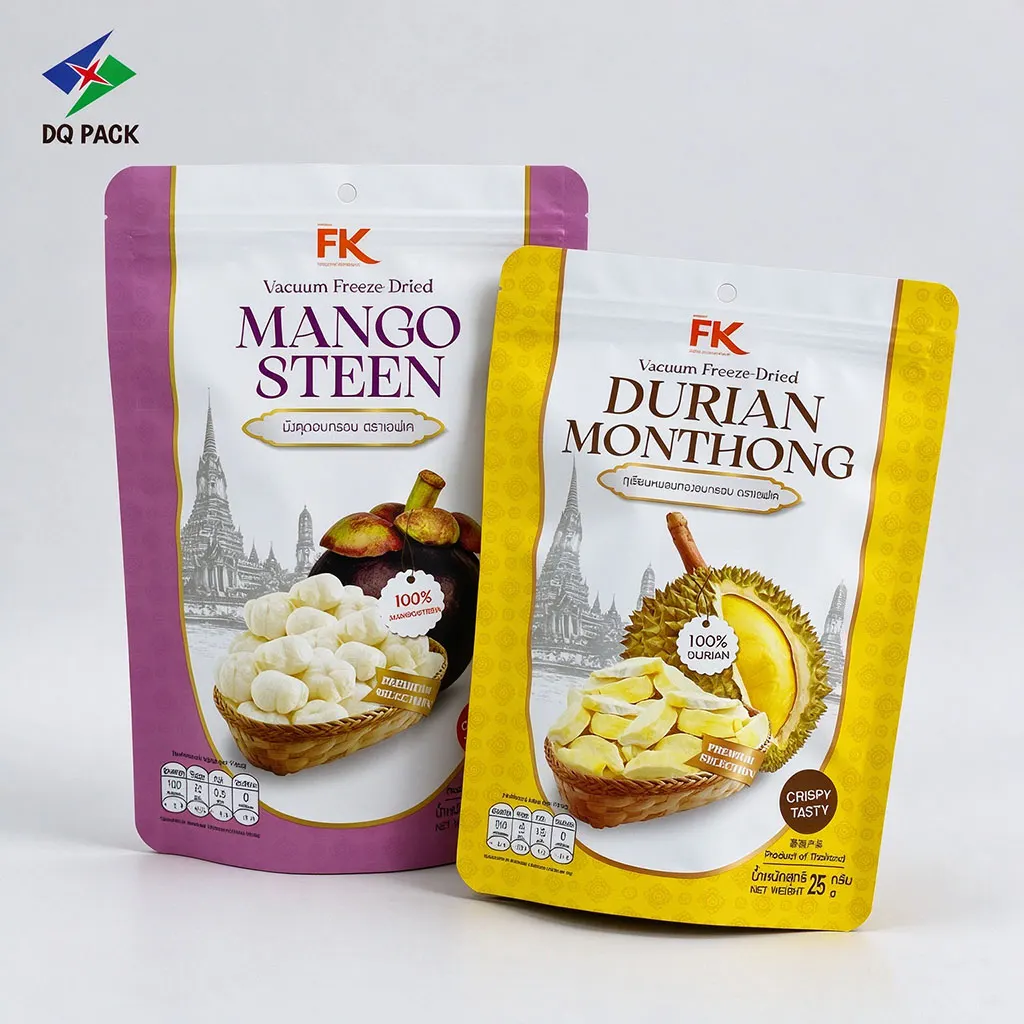


ペットフードのパッケージは、もはや単なる器ではない。鮮度を保ち、ブランドストーリーを伝え、持続可能性の要件を同時に満たさなければならない。.
以下は、ペットフードの包装に関する6つの傾向である。 DQパック, a カスタムフレキシブルパッケージングメーカー, は、すべての調達、研究開発、ブランドチームと共有したいと考えています。ペットフードのパッケージングをカスタマイズする際、これらのトレンドに沿ったカスタムペットフードパッケージングを指定することで、ブランドの助けになるかもしれません。各トレンドには、サプライヤーへの説明やRFQで使用できる実用的なチェックポイントが含まれています。.
なぜ今、パッケージングが戦略ツールなのか
ペットの飼い主はペットを家族のように大切にする。そのため、製品の品質、成分の透明性、利便性への期待が高まる。同時に、規制当局や小売業者は持続可能性の要件を押し付けている。そのため、最新のカスタム・ペットフード・パッケージは、製品の保護、棚の存在感の向上、検証された環境性能という3つの成果を提供する必要があります。.
トレンド1 - ペットフードの鮮度保護
なぜそれが重要なのか
ペットフードには、酸化して腐敗する脂肪やタンパク質が含まれている。水分や酸素にさらされると、香りや食感、栄養価が低下する。高級キブルやおやつにとって、賞味期限切れはブランドの信頼に直結する。.
一般的な技術的解決策
- 多層フレキシブルラミネート(PET/NY/PE、PET/AL/PE)。.
- リサイクル可能な酸素制御のためのPEへのEVOHカプセル化。.
- 最も高いバリア性を持ち、最も長い保存期間を持つアルミホイル。.
スペック・チェックリスト
- ターゲットを指定する 酸素透過率 (cc/m²-24h)と 水蒸気透過率 (g/m²-24h)、RH/T試験条件。.
- バッチに連動したバリア証明書と完成パックの破裂/密封試験を義務付ける。.
- 流通ストレス下でのシール強度(ASTM F88)および完成パックの貯蔵寿命試験を義務付ける。.
トレンド2 - 透明な窓で「透ける」信頼を築く
なぜそれが重要なのか
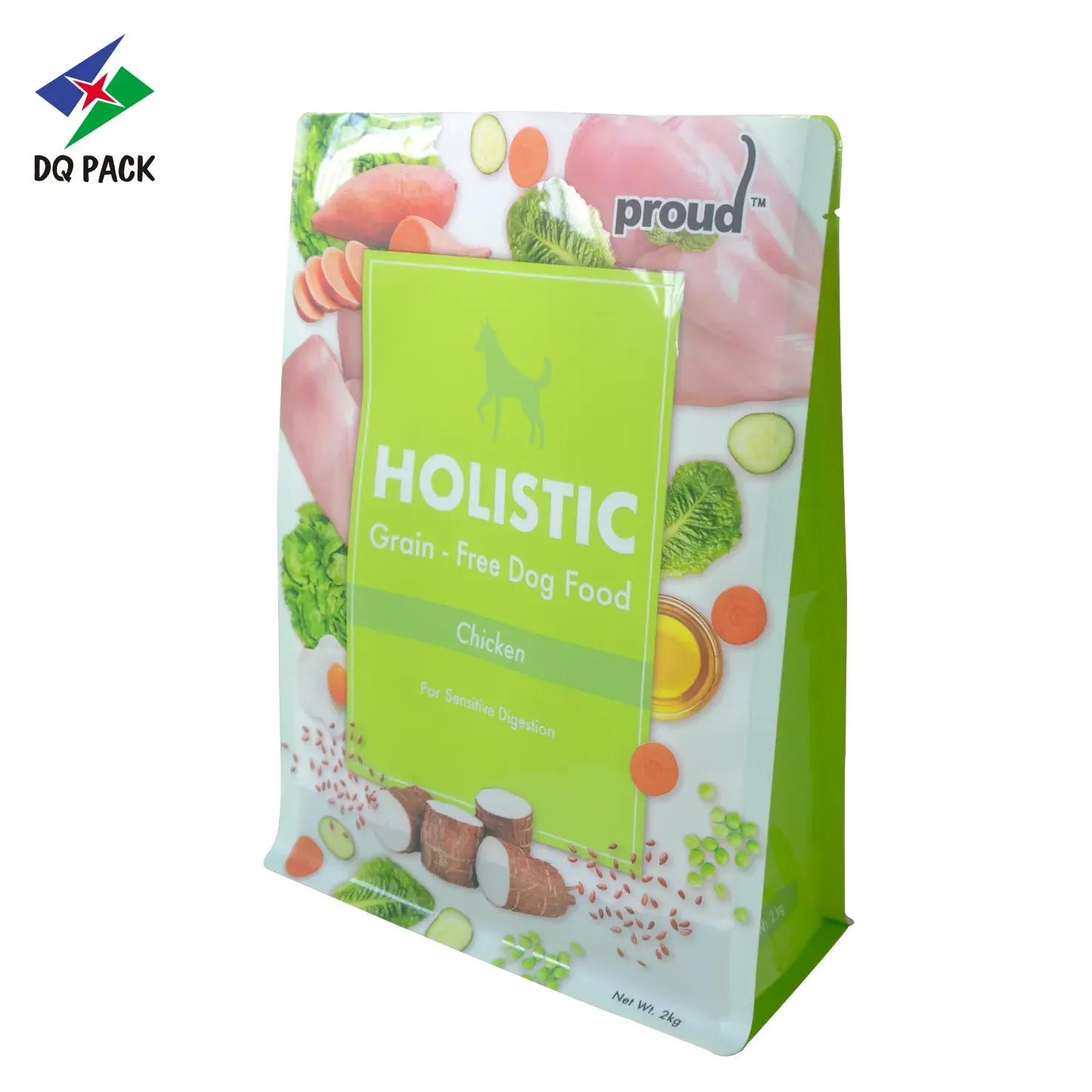
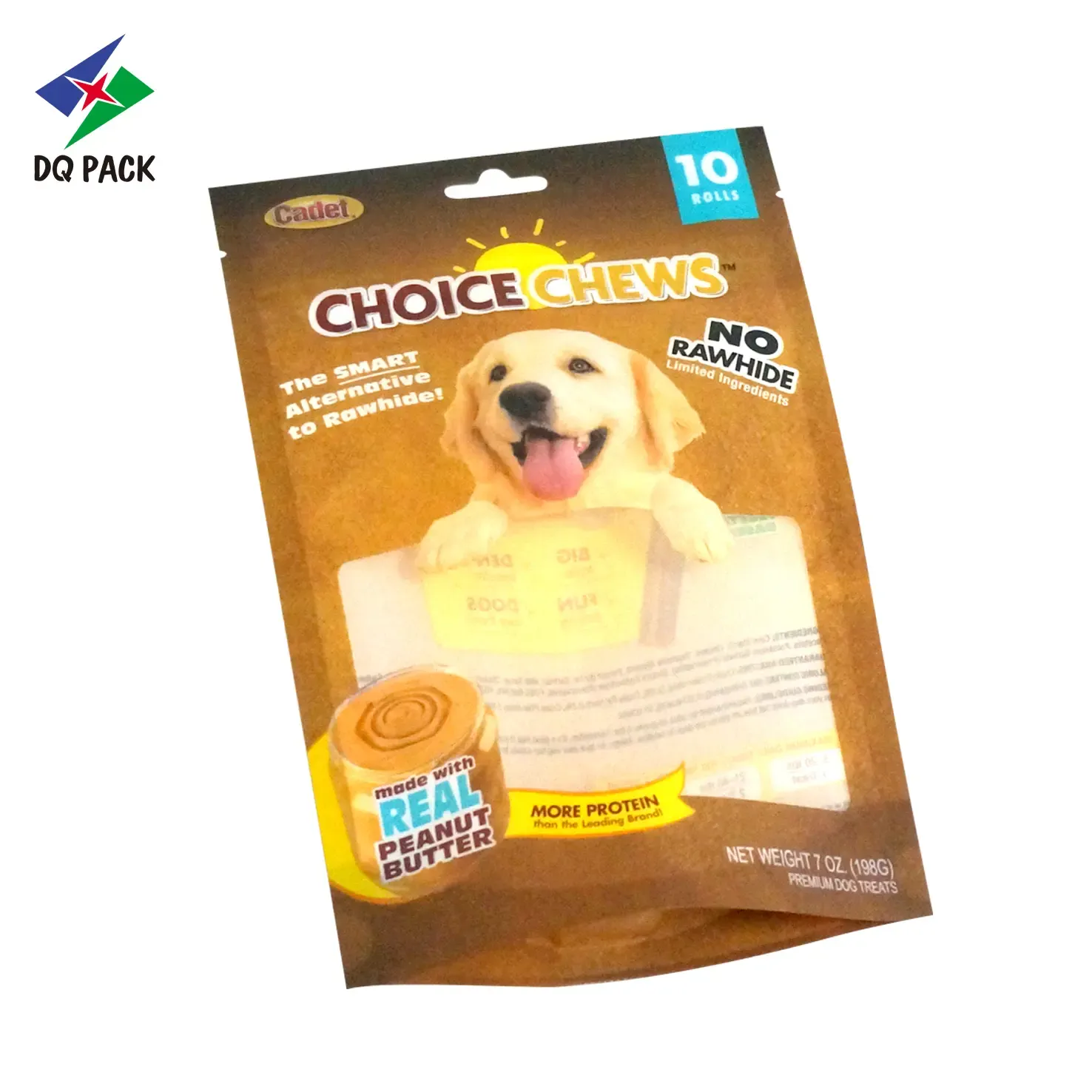
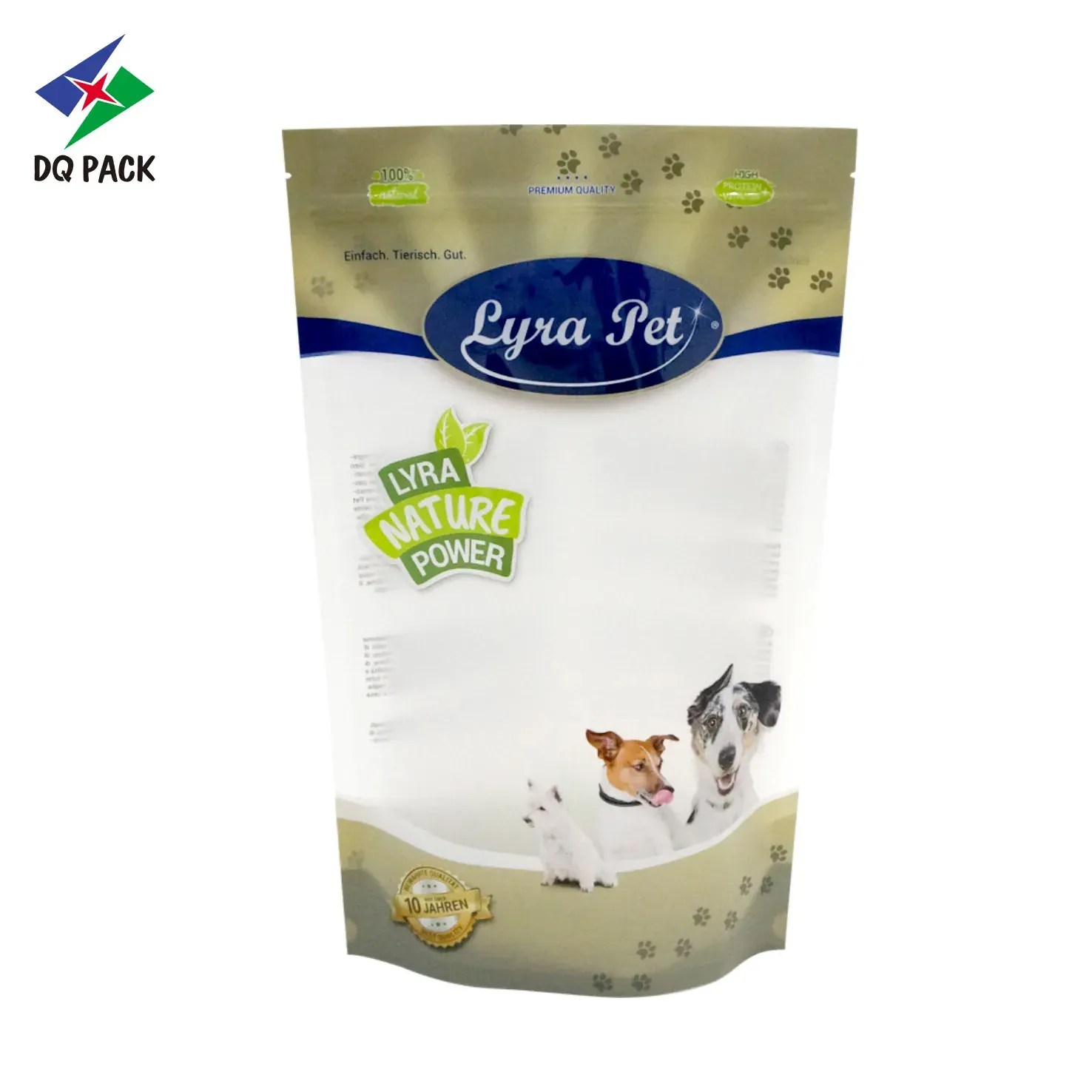
オーナーは、製品の外観や食感を視覚的に確認したい。特に天然素材、単一成分、高級おやつのラインでは、ウィンドウがあれば購入の決断がしやすくなります。.
デザイン・オプション
- バリア対応の透明フィルムを使用した、型抜きされたビューイングウィンドウ。.
- 印刷部分と一体化した部分的な透明パネル(ビューストリップ)。.
- マット/クリアのコントラストで、商品を見せながら高級感を演出。.
エンジニアリング上の注意
- 窓はバリア総面積を減少させるので、局所的なラミネート補強で補う。.
- テストに含まれるウィンドウを使用して、完成したSKUの賞味期限を検証する。.
調達のヒント
- 実際の流通条件下で、ウィンドウ付きSKUとウィンドウなしSKUを比較する完成品検証レポートを要求する。.
トレンド3:持続可能な素材とリサイクル可能な構造体
なぜそれが重要なのか
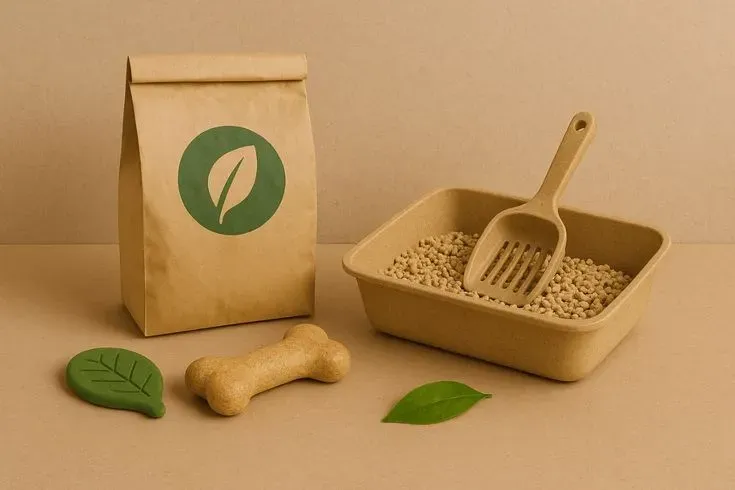
持続可能性は、今や基本的な期待となっている。ブランドや小売業者は、環境負荷の実証可能な削減と、より明確な使用済み製品の結果を求めている。.
素材のアプローチ
- メカニカルリサイクル用に設計された、PEまたはPPの単一素材構造体。.
- 許可された場合には、PCR(ポストコンシューマー・リサイクル)材料を使用する。.
- 賞味期限の短いフォーマット向けの、インナーバリアコーティングを施した紙ベースのラミネート。.
管理すべきトレードオフ
- 箔は優れたバリア性を提供するが、リサイクル性は低下する。.
- カプセル化されたEVOHは、酸素バリアとポリオレフィン・リサイクルのバランスをとっているが、リサイクル業者による有効な受け入れが必要である。.
実行可能な要件
- LCAサマリーと市場別リサイクル可能性ステートメントを請求する。.
- より低いミクロンでのバリア性を検証するために、ダウンゲージ試験が必要。.
トレンド4 - 水性インキとより安全な印刷技術
なぜそれが重要なのか
インキの化学的性質は、VOC排出、作業者の安全性、リサイクル性に影響する。より広範な ペットフード包装トレンド, パッケージが本当に “グリーン ”であるかどうかは、印刷の選択によって決まることが多くなっている。”
メリット
- VOCを低減し、プレスルームをクリーンにする。.
- モノマテリアルフィルムリサイクルとの互換性が向上。.
- 低移行性食品接触要件への準拠が容易。.
実施上の注意
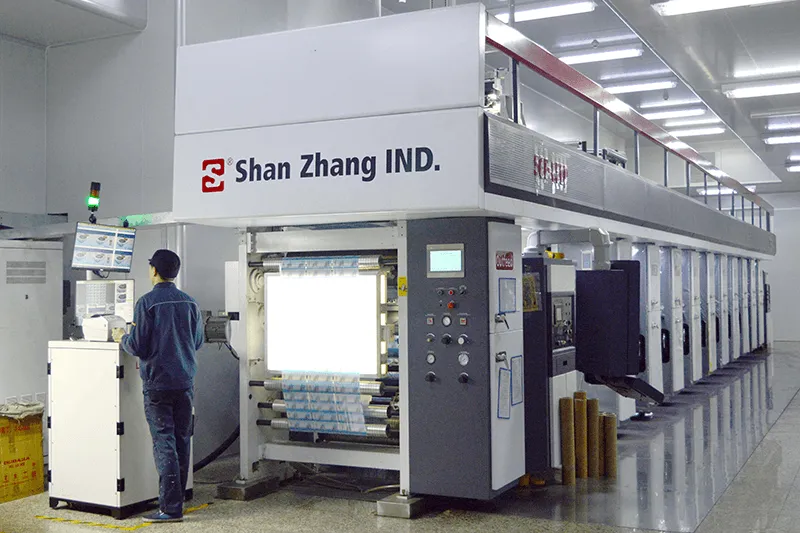
- 水性インクの印刷システムでは、メタライズされたフィルムや処理されたフィルムへの接着テストやラビングテストが必要です。.
- リバースプリントやインナーウェブインキについては、認定された低移行性配合と有機的なテストを要求する。.
サプライヤー・チェックリスト
- インキシステムのDoC、印刷機のVOC管理、およびサプライヤーが水性インキ印刷を主張する場合は、正確なラミネートのロットに関連付けられた移行試験報告書を求める。.
トレンド5 - プレミアムブランディングと360°ストーリーテリング
なぜそれが重要なのか
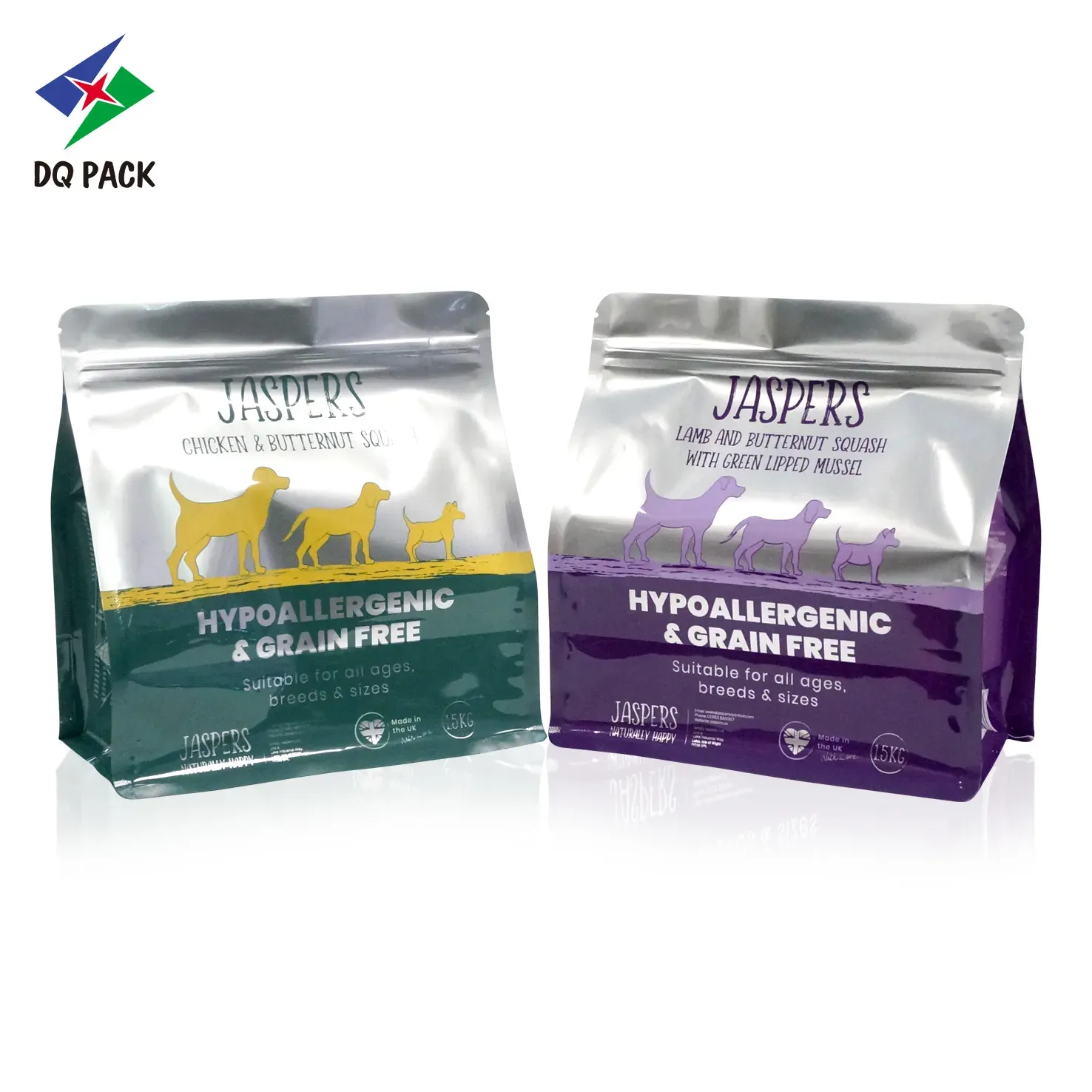
プレミアム・ペットフードのバイヤーは、パッケージを品質の手がかりとして評価する。今やデザインは、原材料の産地、機能的な利点、ブランド価値を瞬時に伝えることができる。.
デザインツール
- 大胆なタイポグラフィ階層を持つミニマルなレイアウト。.
- ソフトタッチまたはマット仕上げで、触感の高級感を演出。.
- 強調するために選択的なメタリックのアクセントやワニスを使用(リサイクル性を保つために控えめに使用)。.
運用上のガードレール
- シーリングへの干渉を避けるため、シールや窓の近くでのインクの重積を制限する。.
- 特別な仕上げがマイグレーションやリサイクルの競合を引き起こさないことを確認する。.
トレンド6:便利な機能:密封性、ポーションコントロール、携帯性
なぜそれが重要なのか
現代のオーナーは、簡単な保管と外出先での給餌ソリューションを期待している。便利な機能は、開封後の鮮度保持もサポートします。.
共通の特徴
- ファスナー、スライダー・ファスナー、ホック開閉式。.
- 1回分の小袋と小分けにされたおやつパック。.
- 簡単に引き裂けるノッチとリシールインジケーター。.
エンジニアリング・チェック
- 充填されたパウチのジッパー疲労と繰り返される開閉サイクルを検証する。.
- 表面積が小さいにもかかわらず、シングルサーブ形式がMVTR/OTRおよび物理的完全性の要件を満たしていることを確認する。.
- 小袋のつぶれを防ぐため、カートンの梱包と輸送時の取り扱いをテストする。.
新たなデザインの影響
- トレーサビリティと給餌指導のためのQRコードとデジタルリンク。.
- 成分写真と透明性のあるメッセージ。.
- 地域限定のビジュアルと限定アートでトライアルを促進。.
これらの要素は ペットフード包装トレンド 透明性とつながりのあるブランド体験に向けて。.
調達チェックリスト - トレンドを技術要件に変換する
- バリアターゲット: OTR/MVTR値をRH/Tと試験方法で指定する。.
- ウィンドウの検証: 窓付きSKUの完成パックの賞味期限データが必要である。.
- シールとクロージャー: ASTM F88、破裂試験、ジッパー疲労、スパウトトルク(該当する場合)を要求する。.
- 持続可能性の証明: LCAサマリー、市場ごとのリサイクル可能性報告書、PCR%文書が必要。.
- 品質システム: ISO/HACCP/BRC認証、バッチトレーサビリティ、保持サンプルポリシーを検証する。.
- パイロットは走る: 大量リリースに先立ち、試験的なレポートとプロダクション・ビデオを義務付ける。.
これらのチェックポイントをRFQや契約に盛り込むことで、以下のことが可能になる。 ペットフード包装トレンド 測定可能なサプライヤー義務への洞察.
結論
次世代の カスタムペットフード包装 検証された鮮度保護、目に見える製品の信頼性(透明ウィンドウ)、環境に優しい生産(モノマテリアル・ルートと水性インク)、高級感のあるデザイン、利便性が融合している。成功のためには、トレンドを技術仕様に変える必要がある。測定可能なバリア数、インクのDOC、シールテスト、リサイクル可能性の表明などである。.
トレンドを客観的なサプライヤー要件に変換する調達チームとブランドチームは、製品品質を守り、規制リスクを低減し、混雑したグローバル市場でブランド価値を強化する。.
DQパックについて
DQパックは カスタムフレキシブルパッケージングメーカー 専門 ペットフード用高性能パッケージ その他 食品用製品. .DQパックは、素材構造と持続可能なソリューションに関する強力な技術的専門知識で、ブランドに合わせたサポートを提供します。 カスタムペットフード包装サービス.
B2Bのお客様には、次のようなサービスを提供しています。 OEM/ODMペットフード包装プロジェクト, カスタマイズされたパウチ・フォーマット、印刷デザイン、製品保護、コンプライアンス、スケーラブルな商業供給に沿った構造エンジニアリングを含む。.