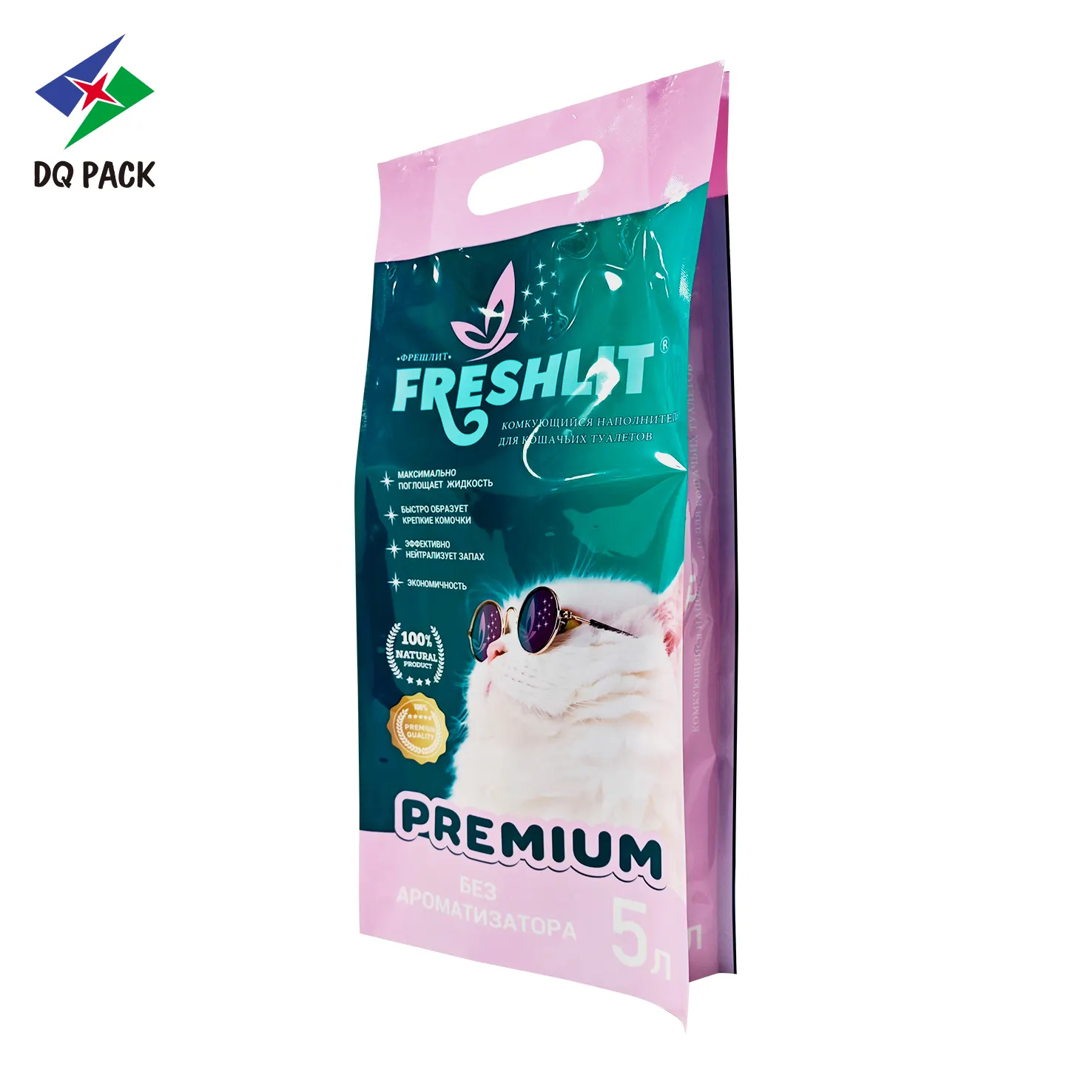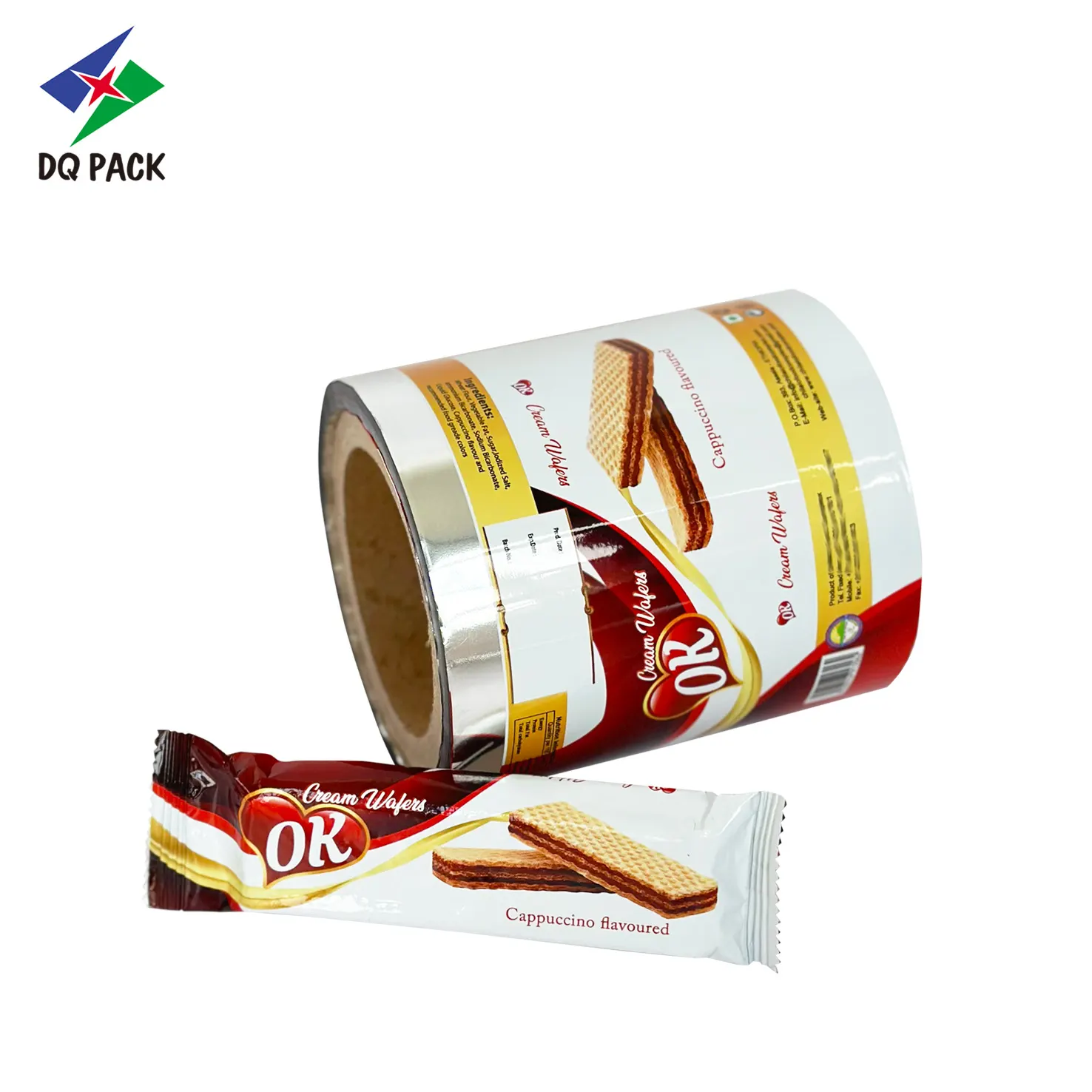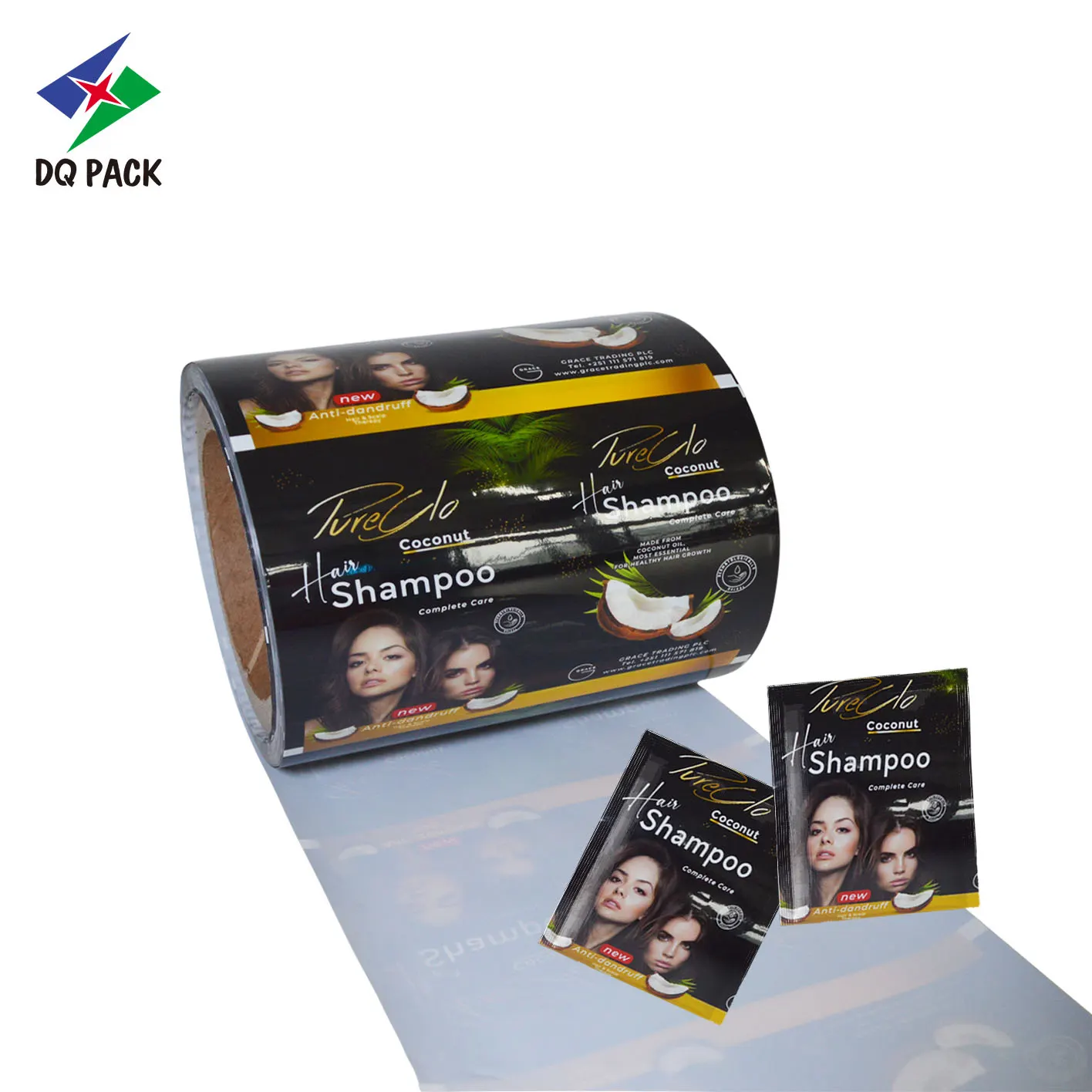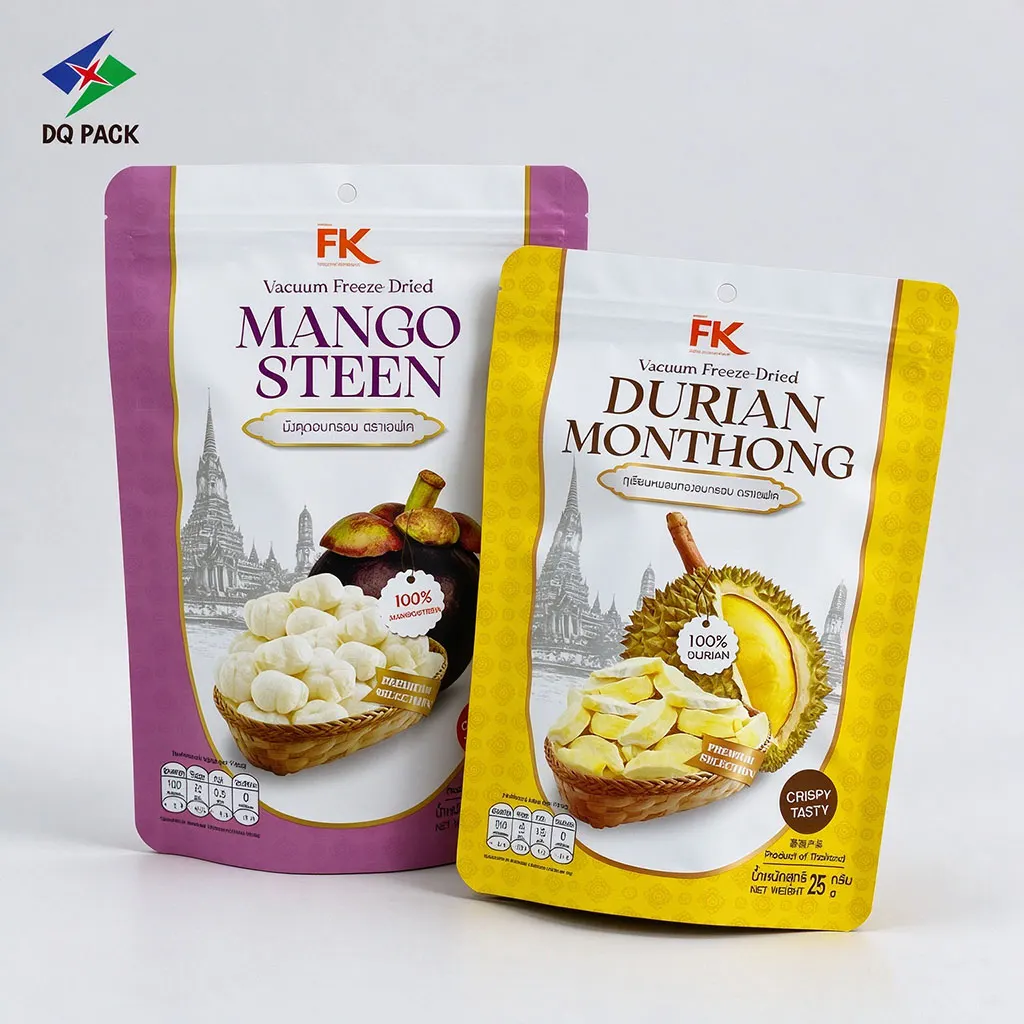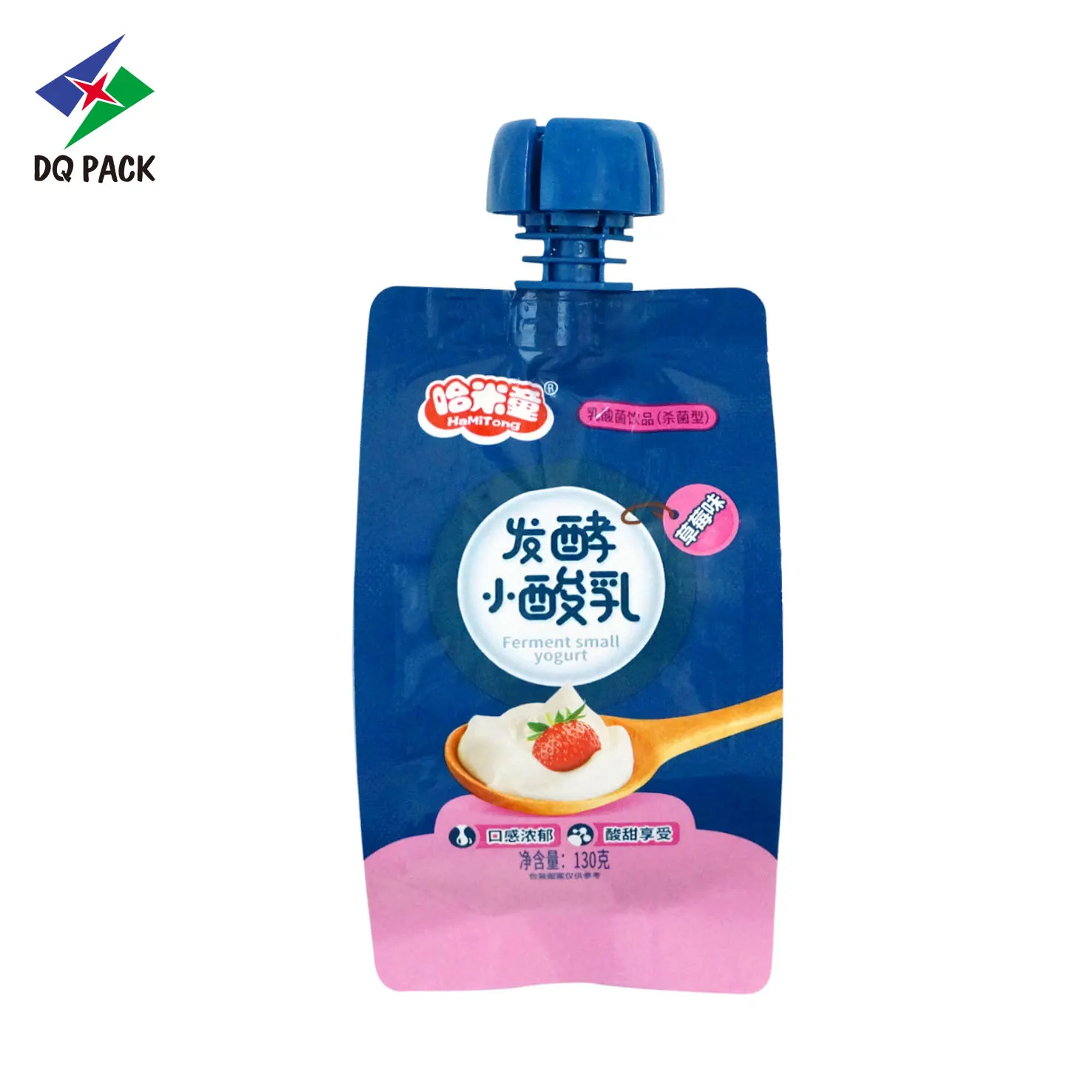


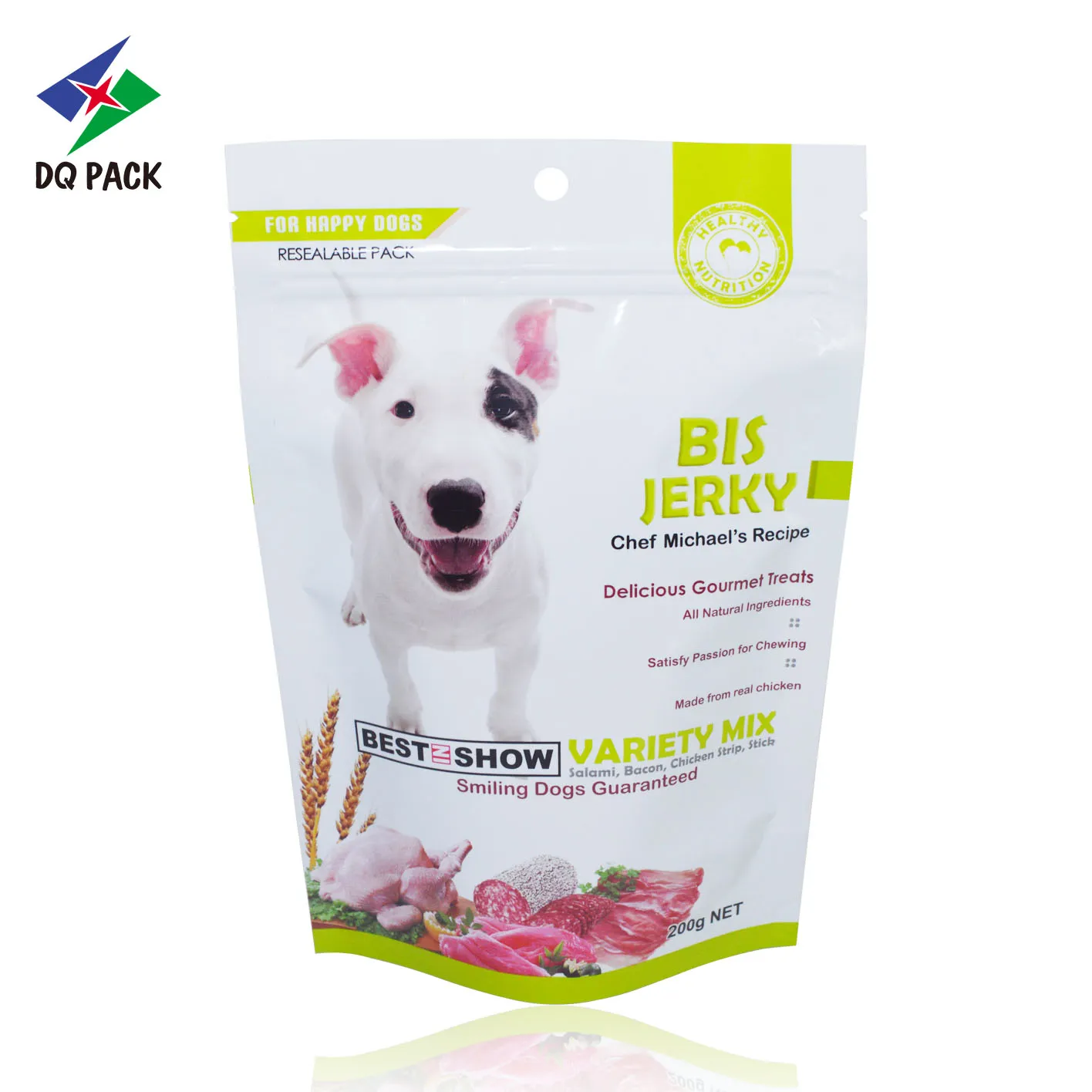
Envasado de alimentos para animales de compañía no se trata sólo de ponerle una bolsa. Se trata de conservan la frescura y evitan las fugas. Ya se trate de alimentos secos, húmedos o aperitivos ricos en grasas, el envasado desempeña un papel fundamental para mantener la calidad del producto y proteger la reputación de su marca.
-2.webp)
-3.webp)
En el mundo real, incluso un pequeño error en el envasado puede dar lugar a fugas de material durante el transporte o deterioro de los productos en las estanterías. Una vez que los consumidores se quejan, la reputación de la marca que usted ha construido a lo largo de los años puede verse afectada.
Para las marcas de alimentos para mascotas, es mejor prevenir los riesgos desde su origen del diseño del envase en lugar de corregirlos a posteriori. Basándonos en un gran número de casos de producción, resumimos 5 puntos prácticos para ayudar a las marcas a evitar fallos de envasado.
1. No deje que el ‘sellado secundario’ se convierta en mera decoración
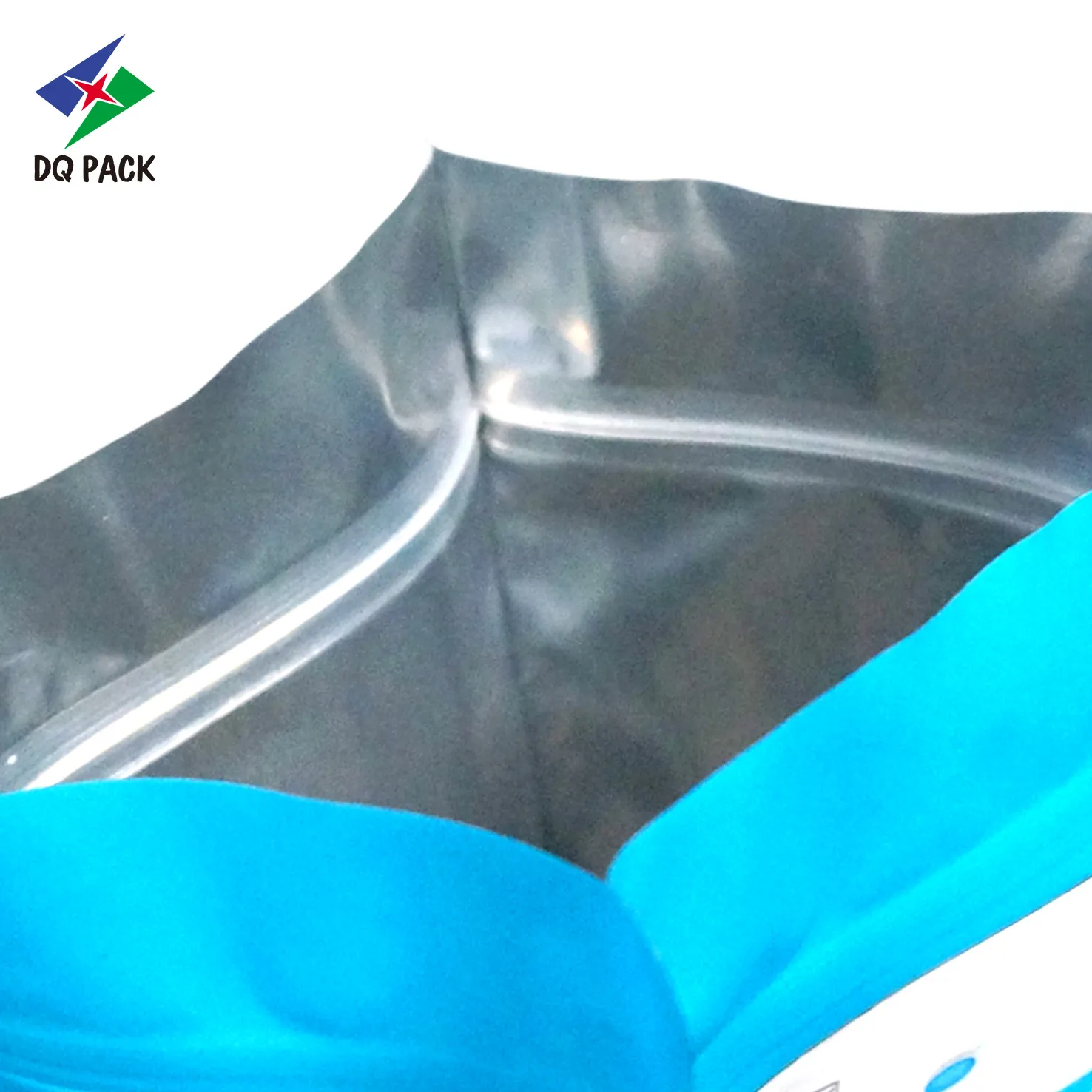
Muchas marcas equipan los liofilizados con bonitas bolsas con cremallera, pero pasar por alto la durabilidad de la propia cremallera. Los clientes informan a menudo:
“Después de abrirlo unas cuantas veces, no queda bien ajustado”.”
Esto significa que los productos restantes se humedecen y deterioran rápidamente.
Nuestra recomendación: Para los productos que requieren un uso repetido, invierta en un cremallera reforzada antideflagrante. Sus dientes son más apretados y duros, resistiendo la deformación incluso después de docenas de aperturas. Así se evitan las microgrietas en la abertura de la bolsa, que son canales de infiltración de oxígeno y vapor de agua.
2. Borde de sellado en caliente: un ‘salvavidas’ invisible’
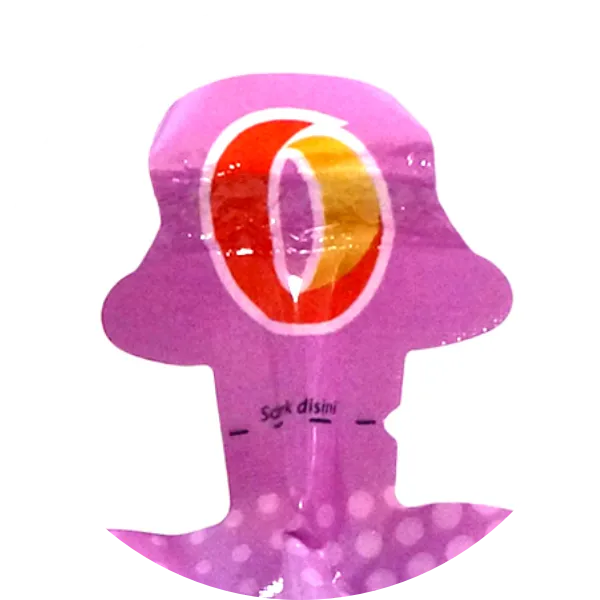
La fuerza de termosellado depende de la temperatura y la elasticidad de cada capa de material en una lámina compuesta. El uso de una temperatura o presión incorrectas puede crear bordes débiles.
En DQ PACK, antes de cada lote, realizamos un Prueba de pelado a 180 grados para garantizar que los bordes sean lo suficientemente fuertes como para resistir la presión interna y la fricción durante el transporte.
Para granos húmedos, Los materiales resistentes a las bajas temperaturas son cruciales. Las diferencias de temperatura entre frío y calor pueden hacer que los bordes se vuelvan quebradizos, provocando grietas como las del plástico envejecido. Un mal sellado de los bordes es uno de los errores más comunes en el envasado de alimentos para mascotas.
3. Estructura del embalaje: Equilibrio entre protección y practicidad
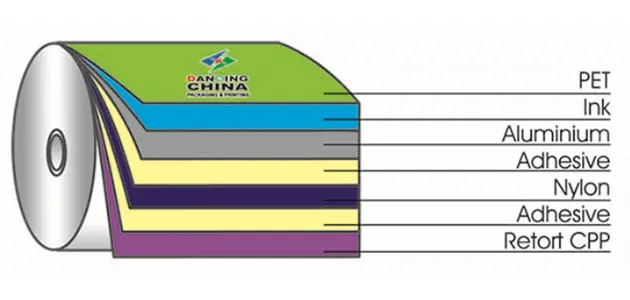
A película compuesta multicapa es actualmente la opción más fiable. Por ejemplo, PET/Lámina de aluminio/PE:
- Capa exterior de PET: resistente y permite una impresión nítida
- Capa intermedia de papel de aluminioBloquea el oxígeno, la luz y la humedad, esencial para los alimentos ricos en grasas propensos a la oxidación.
- Capa interior de PEgarantiza un sellado térmico fuerte
Para envases de gran capacidad, Añadir refuerzo autoportante en la parte inferior para evitar que el material se rompa durante el llenado.
Grosor del material debe ser ‘correcto’, no sólo más grueso. Para granos secos, 50-100 micras son suficientes. Para los granos húmedos o con alto contenido de grasa, un papel de aluminio ligeramente más grueso puede mejorar la protección.
Consejos adicionales:
- Los procesos de refrigeración y el diseño de la cadena de montaje son cruciales para evitar los riesgos ocultos de los bordes calientes.
- El llenado de nitrógeno para productos con alto contenido en grasa puede prolongar la vida útil eliminando el aire del interior de la bolsa.
4. Los pequeños detalles marcan la diferencia
Más problemas de envasado de alimentos para mascotas se ocultan en los detalles: una mala selección de la cremallera, unos parámetros de termosellado incorrectos o un grosor de material inadecuado. Un pequeño error puede desencadenar un reacción en cadena que afectan a la calidad del producto.
5. DQ PACK: Más que bolsas
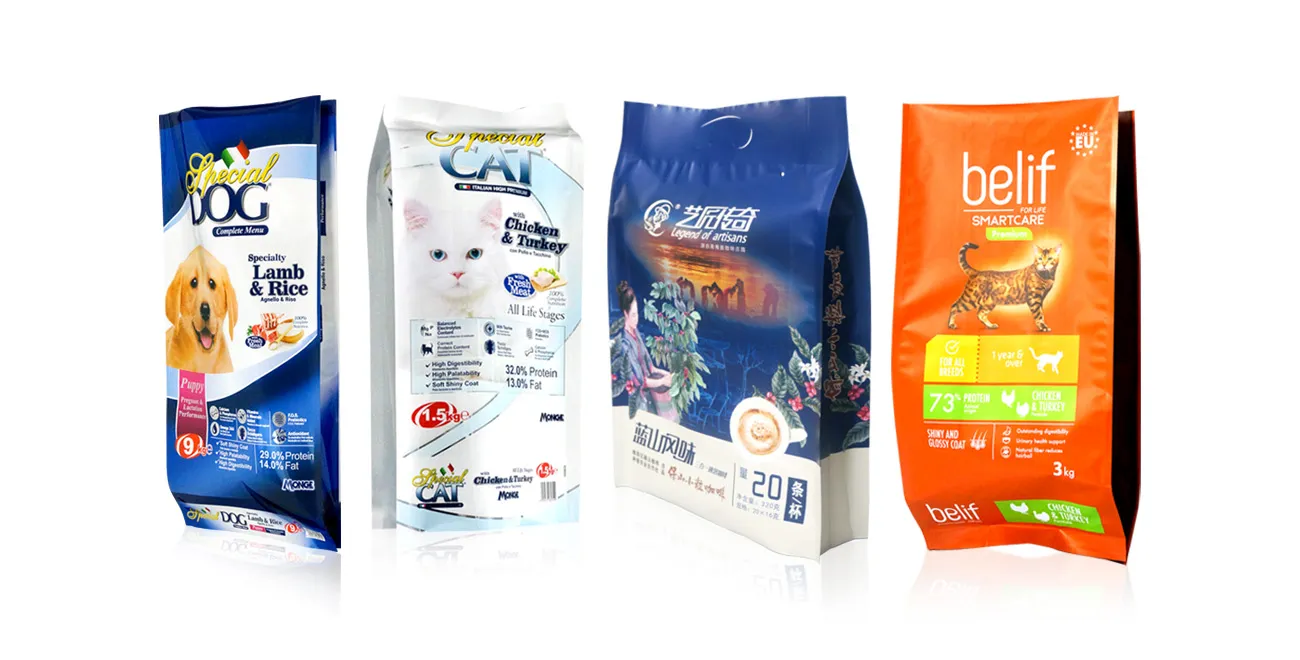
En DQ PACK, proporcionamos soluciones completas de prevención de riesgos desde la selección de materiales y el diseño estructural hasta los procesos de producción. Nuestra experiencia resolviendo problemas reales con innumerables marcas de alimentos para mascotas garantiza que sus productos llegan de forma segura de la cadena de producción al plato de comida de cada mascota.
Entendemos que un envasado perfecto significa tranquilidad tanto para las marcas como para los consumidores.