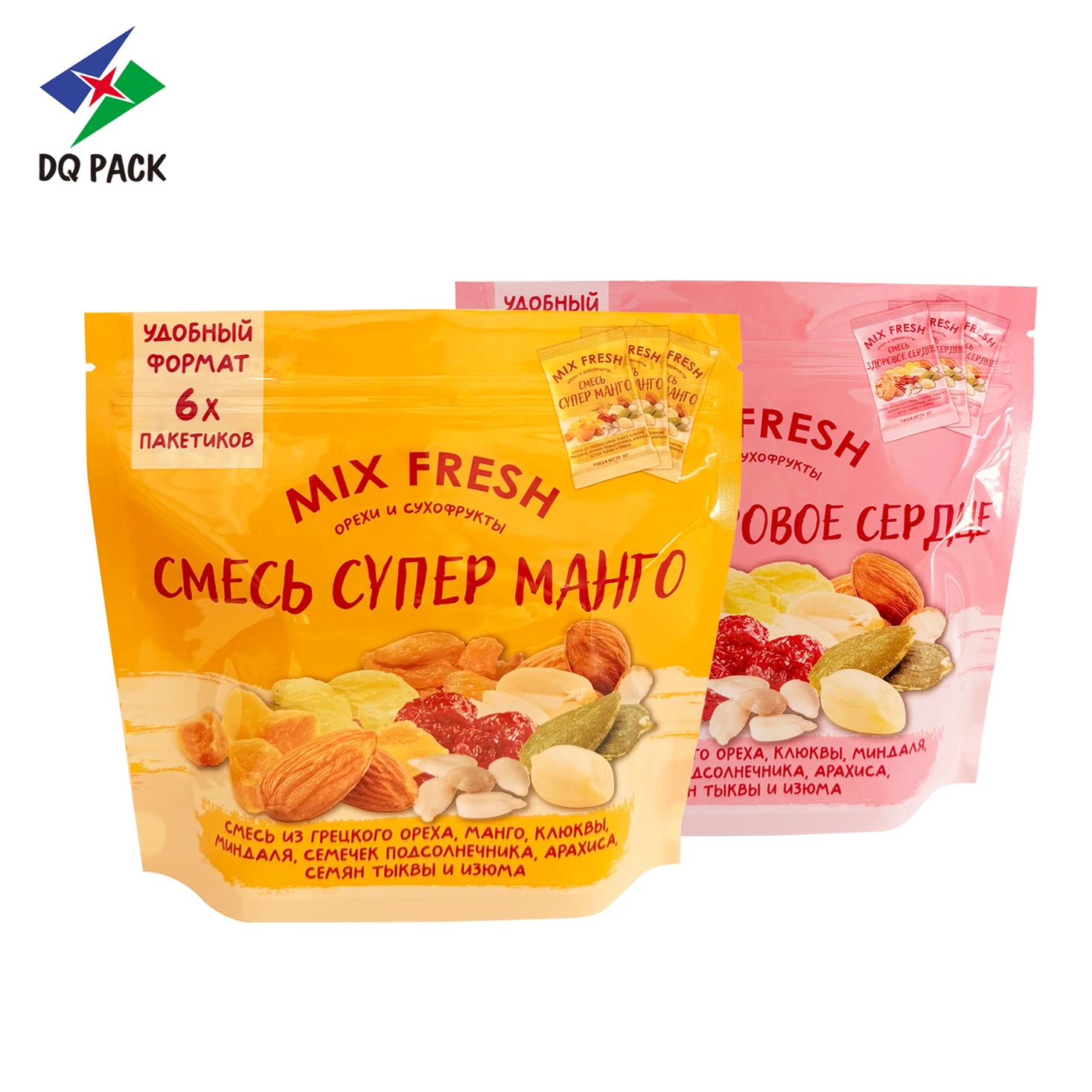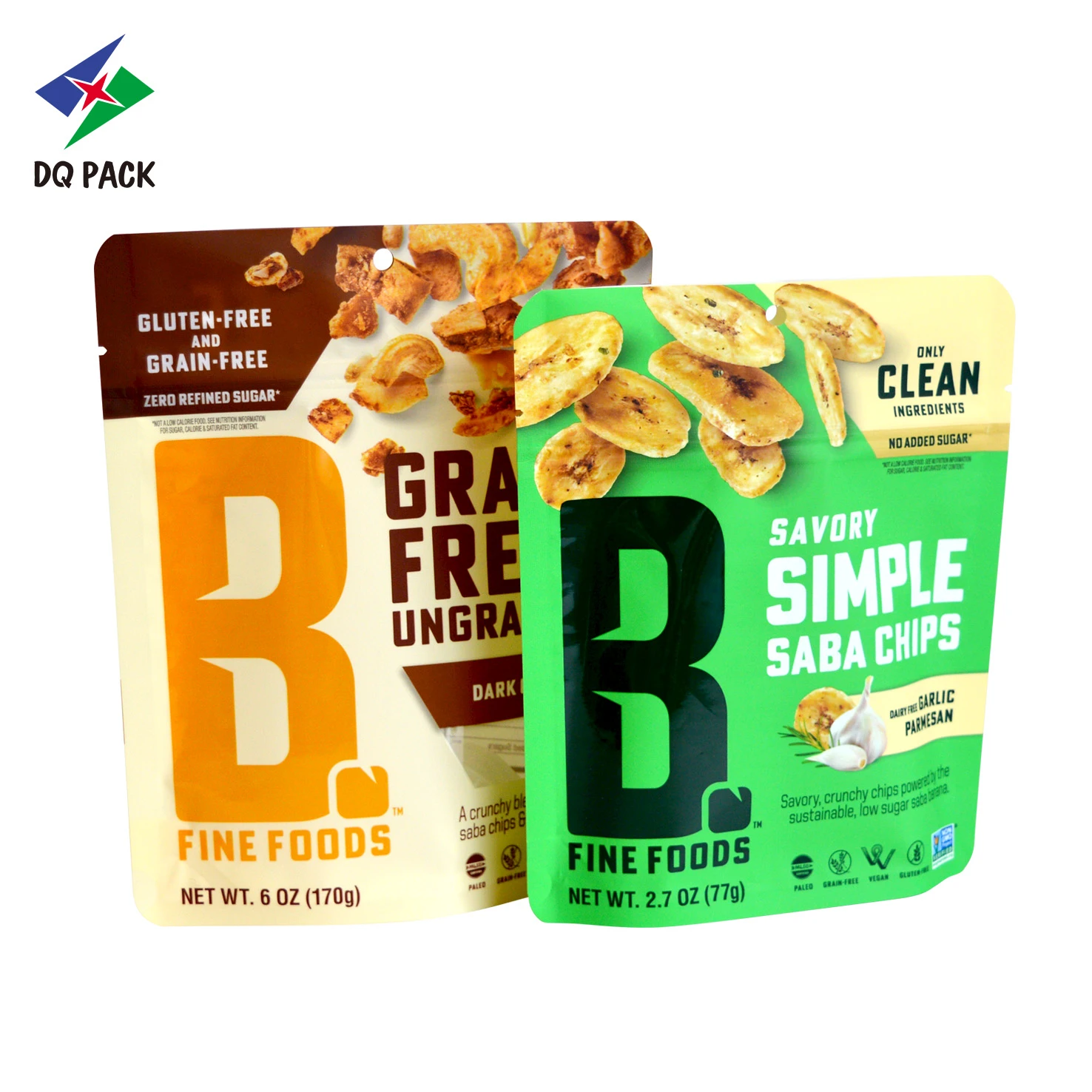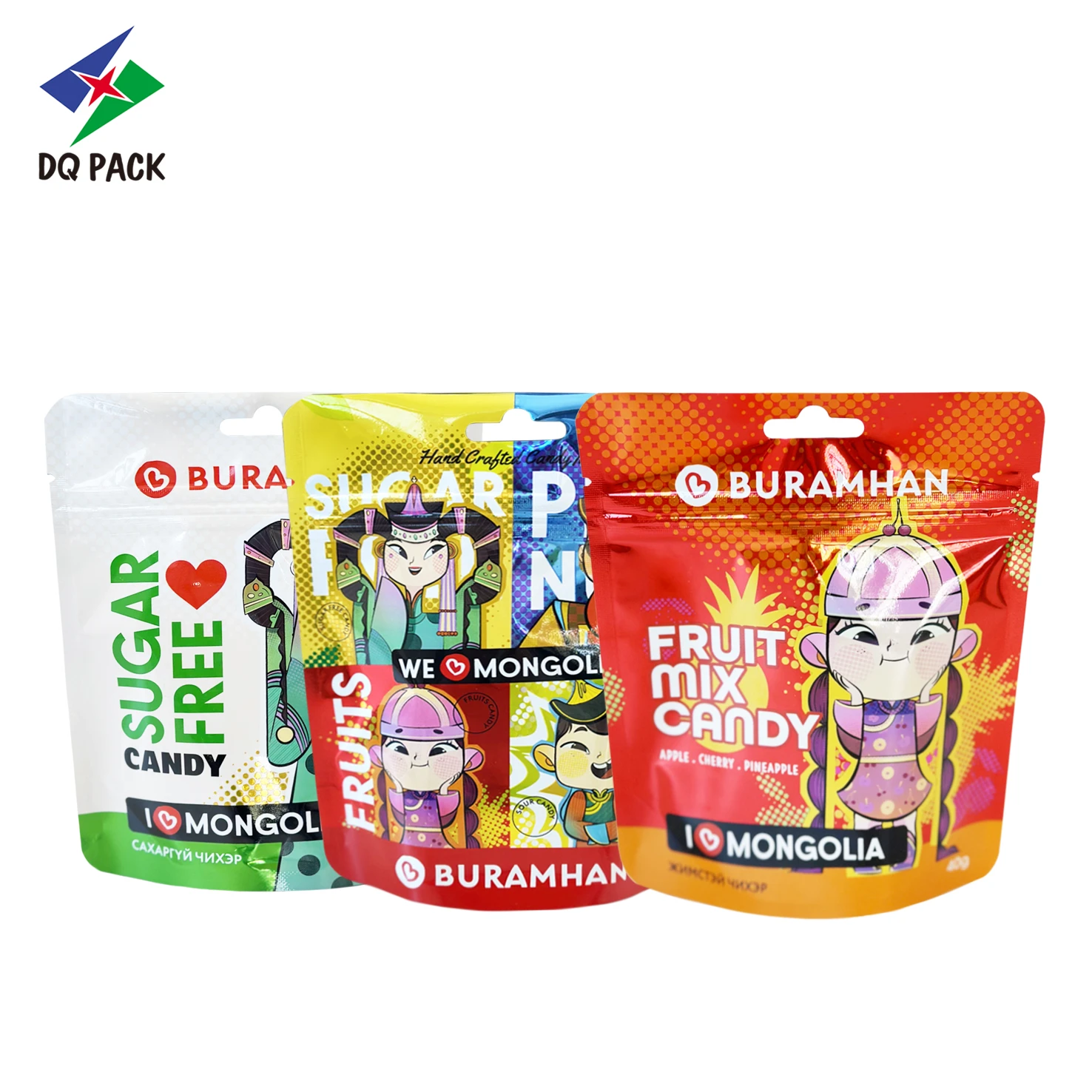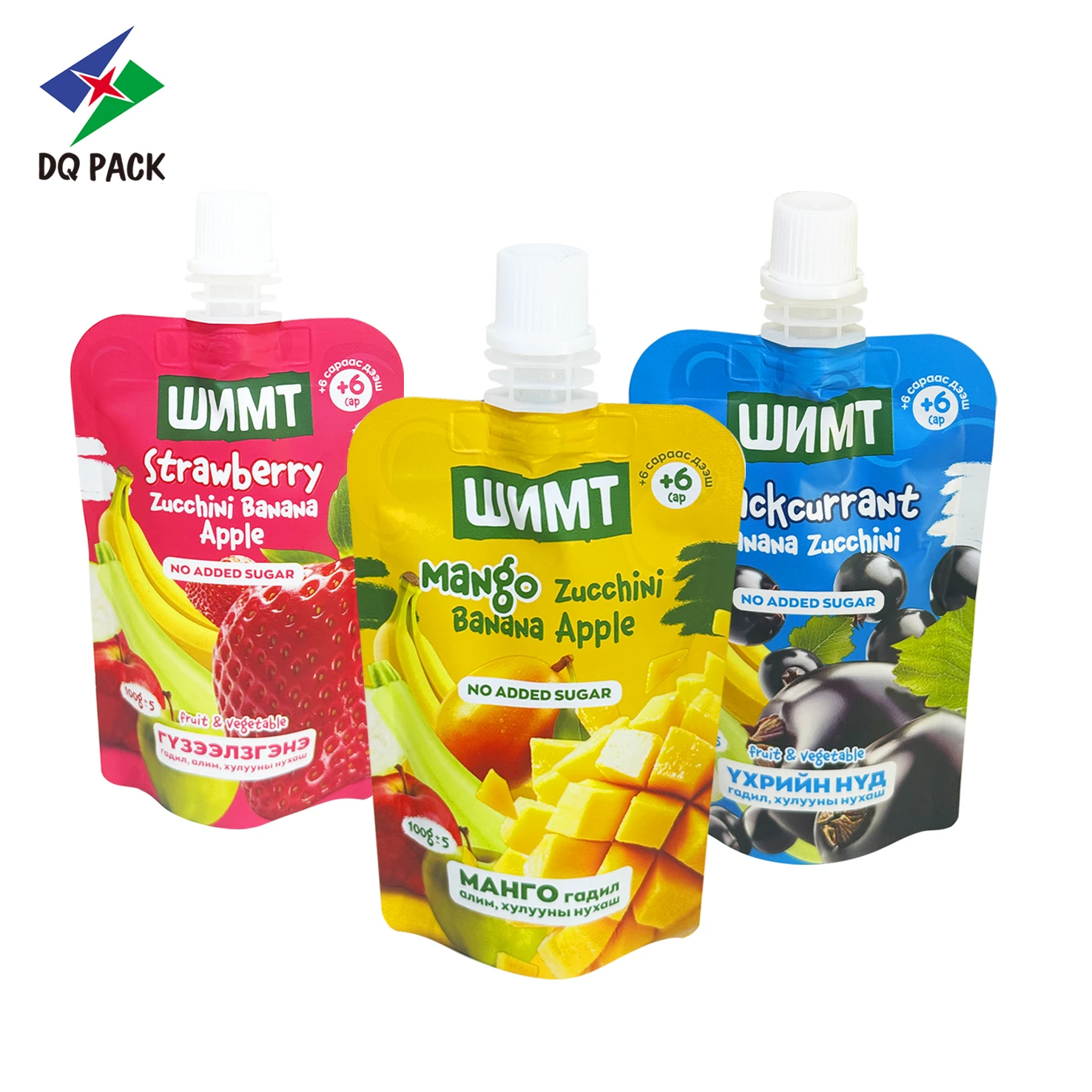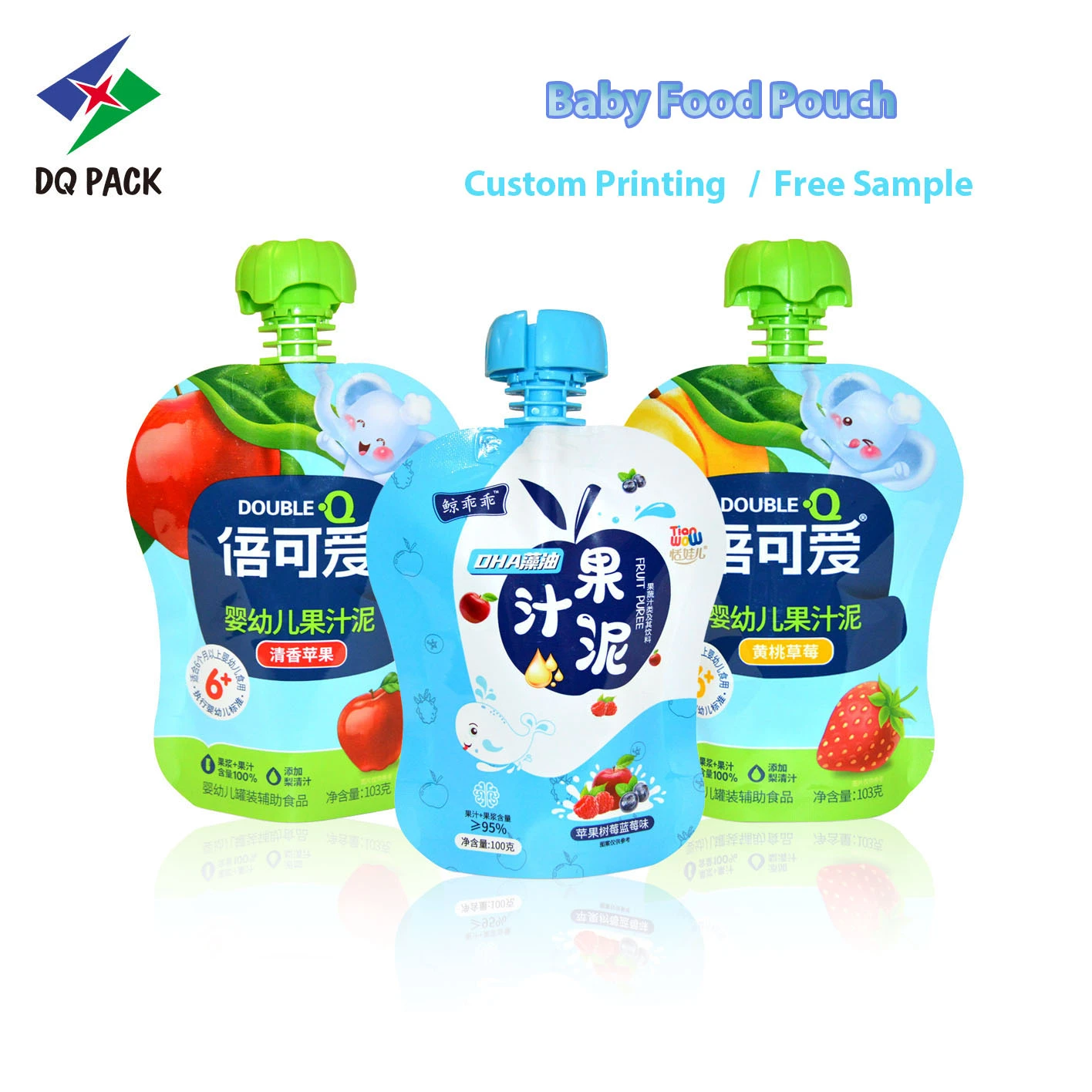


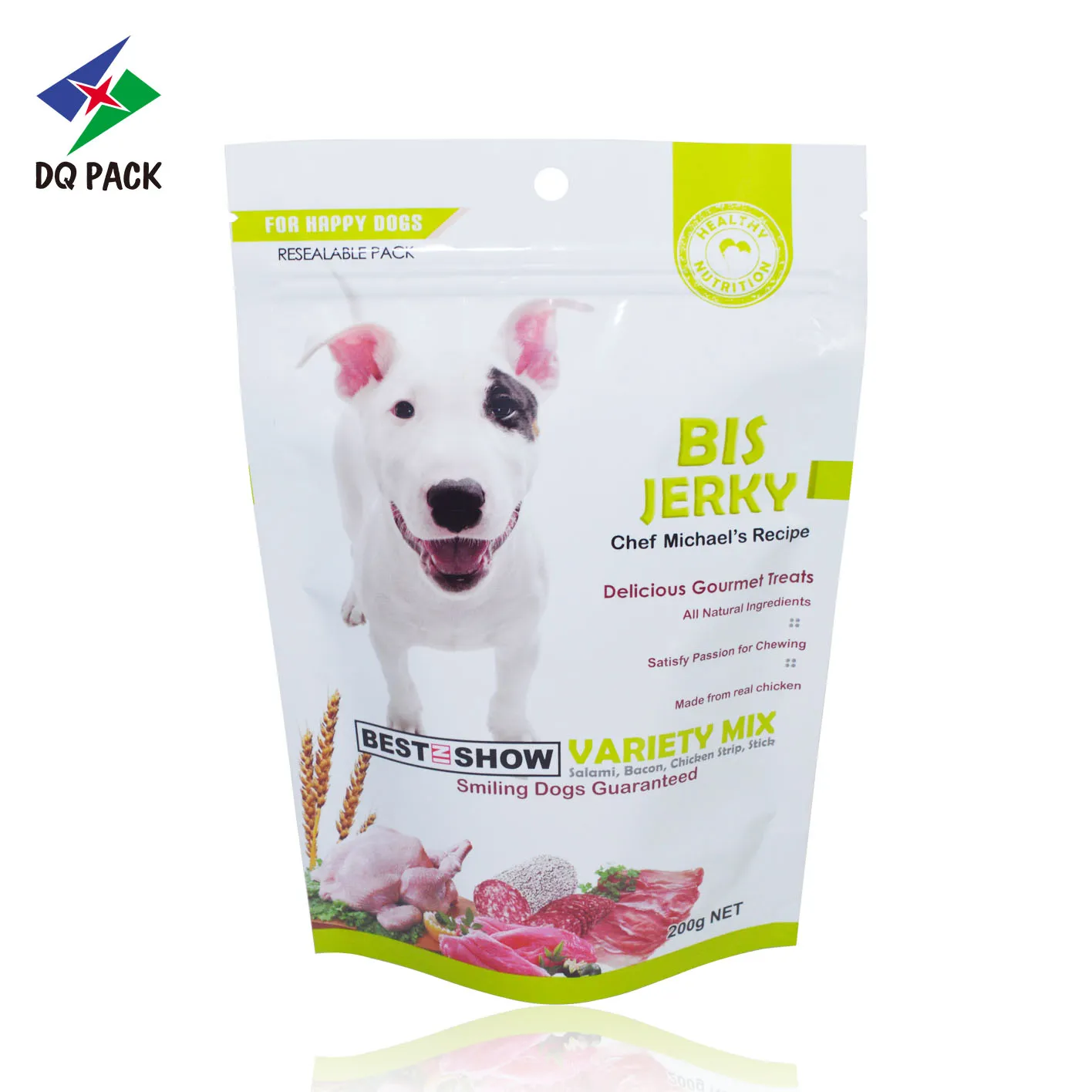
En el sector de los envases flexibles existe el sentido común de que la voz de una marca se transmite a través de su envase. Los equipos de compras de las marcas buscan una impresión especial y representativa de sus bolsas de envasado de alimentos para mascotas.
En esta guía, DQ Pack, un fabricante profesional de envases flexibles personalizados, analiza los métodos de impresión, los acabados, el ajuste tinta/sustrato, la seguridad alimentaria y los costes para ayudarle a elegir la bolsa adecuada para cada SKU.
Por qué es importante la impresión de una bolsa de envasado de alimentos para mascotas
La impresión determina la primera impresión. Influye en la calidad percibida, la confianza y la conversión en el lineal. Pero la impresión no es sólo visual: los sistemas de tinta y los métodos de curado interactúan con los laminados y adhesivos, afectando al olor, la migración y la laminación posterior. Seleccionar la tecnología de impresión correcta desde el principio evita repeticiones, reduce el tiempo de comercialización y mantiene las opciones creativas alineadas con la capacidad de producción.
Tecnologías de impresión: Ventajas, desventajas y mejores casos de uso
Huecograbado
- Lo mejor para: tiradas de gran volumen con colores ricos y uniformes y detalles precisos.
- Puntos fuertes: excepcional saturación del color, degradados suaves, excelente durabilidad mecánica para tiradas largas.
- Contrapartidas: Coste elevado de las planchas y plazo de entrega más largo; por lo tanto, sólo es rentable con cantidades mínimas de piezas más grandes.
- Usar en: premium bolsa de envasado de alimentos para mascotas SKU que requieren imágenes fotográficas y un estricto control del color.
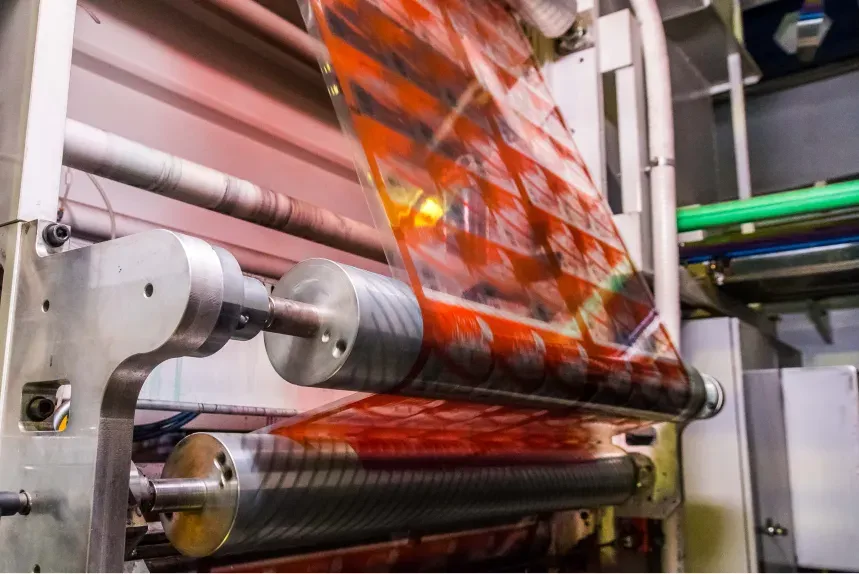
Flexografía (flexo)
- Lo mejor para: volúmenes medios-altos con plazos de entrega más rápidos que el huecograbado.
- Puntos fuertes: sistemas de tinta versátiles (disolvente, base agua, UV), menor coste de plancha frente al huecograbado, buena para colores sólidos y degradados sencillos.
- Contrapartidas: gama tonal ligeramente inferior a la del huecograbado en algunas películas.
- Usar en: comida seca, golosinas y gama de valor general bolsa de envasado de alimentos para mascotas líneas.
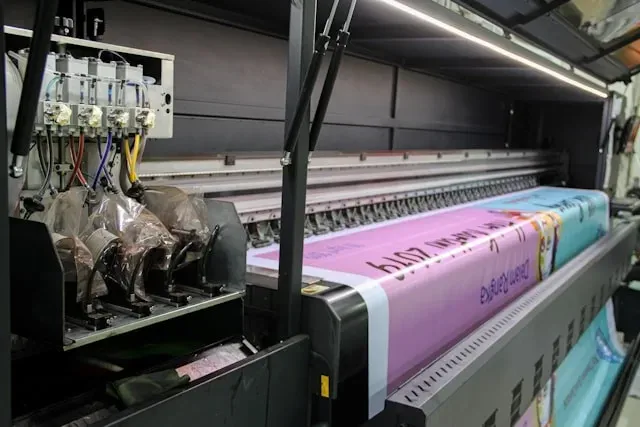
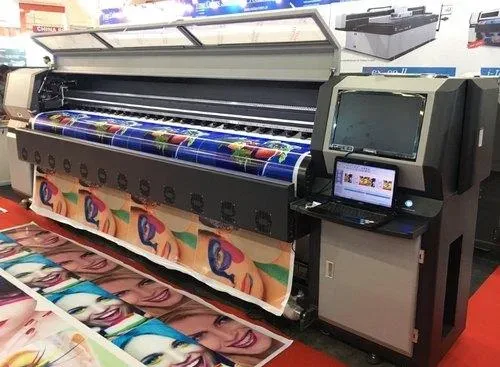
Impresión digital
- Lo mejor para: tiradas cortas, creación rápida de prototipos, SKU específicas de una región o personalización.
- Puntos fuertes: sin planchas, configuración mínima, datos variables (códigos de lote, promociones), iteración rápida de ilustraciones.
- Contrapartidas: mayor coste unitario a escala, integración limitada del barnizado/gofrado en comparación con los métodos analógicos.
- Usar en: SKU de prueba, ediciones limitadas o campañas de productos para mascotas en serie.
Efectos especiales y acabado - Crear impacto en las estanterías
Añadir opciones de acabado eleva el valor percibido sin dejar de ser fabricable:
- Laminado mate frente a laminado brillante: El mate proporciona un atractivo táctil de primera calidad; el brillo aumenta la intensidad del color.
- Barniz UV y táctil: destacar logotipos o fotos de productos.
- Efectos metálicos: Añade señales de lujo (utiliza PET metalizado o estampación en caliente).
- Ventanas transparentes: mostrar croquetas o golosinas - equilibrar la transparencia con las necesidades de barrera.
- Gofrado/grabado en relieve: marca táctil para gamas superiores.
El acabado debe validarse con su bolsa de envasado de alimentos para mascotas película y el método de laminación para evitar grietas, delaminación o mala adherencia.
Sistemas de tinta y consideraciones de seguridad alimentaria
La elección de la tinta es técnica y reglamentaria:
- Tintas con disolventes proporcionan un secado rápido y una fuerte adherencia sobre films no absorbentes (PET, film metalizado), pero requieren la reducción de COV y un cuidadoso control de los olores.
- Tintas al agua (flexografía) reducen los COV y mejoran la seguridad en el lugar de trabajo; las fórmulas modernas ofrecen una adhesión muy mejorada en las películas tratadas.
- Tintas curables por UV ofrecen un curado instantáneo y colores vivos, pero necesitan comprobaciones de compatibilidad para su posterior laminación y autorización para el contacto con alimentos.
- Tintas de baja migración son obligatorios cuando la tinta entra en contacto con alimentos o cuando las capas internas pueden transferir olores o sustancias químicas; solicite certificados y datos de las pruebas de migración al impresor.
Exija siempre al proveedor Declaración de conformidad y Certificados de Análisis (CoA) para tintas y barnices. Para los mercados de exportación, compruebe la FDA (EE. UU.), la normativa de materiales de la UE y los límites locales de metales pesados y sustancias restringidas.
Compatibilidad del sustrato y la laminación
A bolsa de envasado de alimentos para mascotas suele ser un laminado: cada capa proporciona una función distinta (imprimibilidad, barrera, sellabilidad, resistencia a la perforación). Las combinaciones típicas son PET/AL/PE, PET/NY/PE y BOPP/PE.
Controles clave:
- Tratamiento superficial (corona) debe coincidir con el tipo de tinta para la adherencia.
- Perfiles térmicos: Algunas tintas requieren un secado a alta temperatura que puede afectar a los revestimientos o adhesivos subyacentes.
- Laminación posterior a la impresión: Asegúrese de que las tintas estén completamente curadas antes del laminado para evitar la contaminación y la delaminación.
- Colocación de ventanas: Planifique la impresión y el laminado para evitar las zonas de sellado y mantener la integridad de la barrera.
Colabore con su fabricante para realizar pruebas de prensado y de adherencia/pelado en el laminado seleccionado antes de comprometerse con la producción completa.
Cantidades mínimas de pedido (CMP), plazos de entrega y factores de coste
El método de impresión afecta en gran medida al MOQ y al plazo de entrega:
- Huecograbado: Mayor coste de la plancha, menor coste por unidad en grandes volúmenes. Las MOQ típicas son las más altas, pero la economía unitaria es mejor para grandes tiradas.
- Flexo: MOQ moderado y plazo de entrega equilibrado; rentable para SKU frecuentes.
- Digital: MOQ más bajo y plazos de entrega más rápidos; mayor coste por unidad.
Otros factores que contribuyen a los costes: número de colores de impresión, efectos especiales, tipo de laminado y muestreo de control de calidad. Planificar las carteras de SKU (premium frente a mainstream) para optimizar la estrategia de impresión en todas las líneas de productos.
Sostenibilidad y opciones de impresión ecológica
Las marcas exigen cada vez más una producción más ecológica:
- Tintas al agua y laminación sin disolventes reducir los COV y las emisiones.
- Láminas monomateriales (PE/PE, PP/PP) permitir el reciclado de películas; diseñar el material gráfico y las opciones de barnizado para mantener la reciclabilidad.
- Contenido de PCR en capas sin contacto con alimentos apoya las afirmaciones de circularidad.
- Cobertura de tinta reducida/estrategias de colores planos menores insumos materiales y energía de impresión.
Solicite a su fabricante el ACV o estimaciones de carbono de las soluciones de impresión+laminado de la competencia para cuantificar las ventajas y desventajas.
Material gráfico, control del color y buenas prácticas de preimpresión
Para reducir las repeticiones y minimizar las variaciones de color:
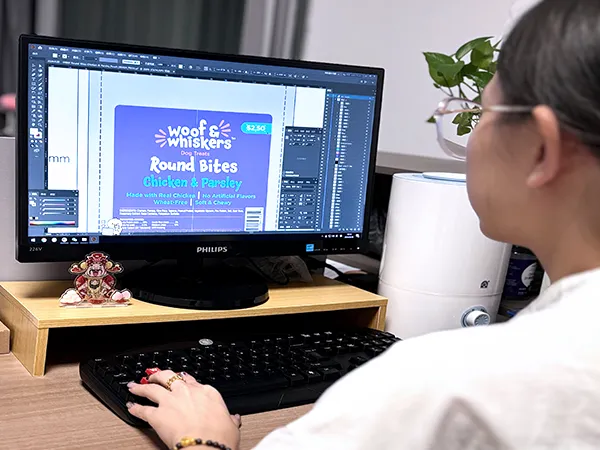
- Proporcione ilustraciones vectoriales y objetivos Pantone/CMYK; especifique el sustrato y el acabado deseado.
- Apruebe las pruebas digitales y las pruebas físicas de imprenta.
- Utilice procesos de gestión del color (perfiles ICC) y una lista de comprobación del color firmada para garantizar la coherencia en varias SKU.
- Registro de planos y códigos de barras para alimentación automática y formación de bolsas.
Un paquete de preimpresión claro reduce los retrasos durante las primeras tiradas de cualquier bolsa de envasado de alimentos para mascotas.
Elegir el fabricante adecuado
Seleccione un socio que ofrezca:
- Experiencia interna en impresión y laminación con múltiples tecnologías.
- Control de calidad estricto: inspección en línea, pruebas de pelado y sellado, y pruebas de migración.
- Apoyo reglamentario: DoC/CoA, experiencia en exportación y verificación del contacto con alimentos.
- Flexibilidad: capacidad digital para tiradas cortas y huecograbado/flexografía para tiradas más grandes.
- Credenciales de sostenibilidad: opciones sin disolventes, experiencia en diseño monomaterial.
Solicite muestras técnicas (impresas con su material gráfico en los laminados candidatos) y realice pruebas aceleradas de caducidad y olor antes de la aprobación final.
Conclusión
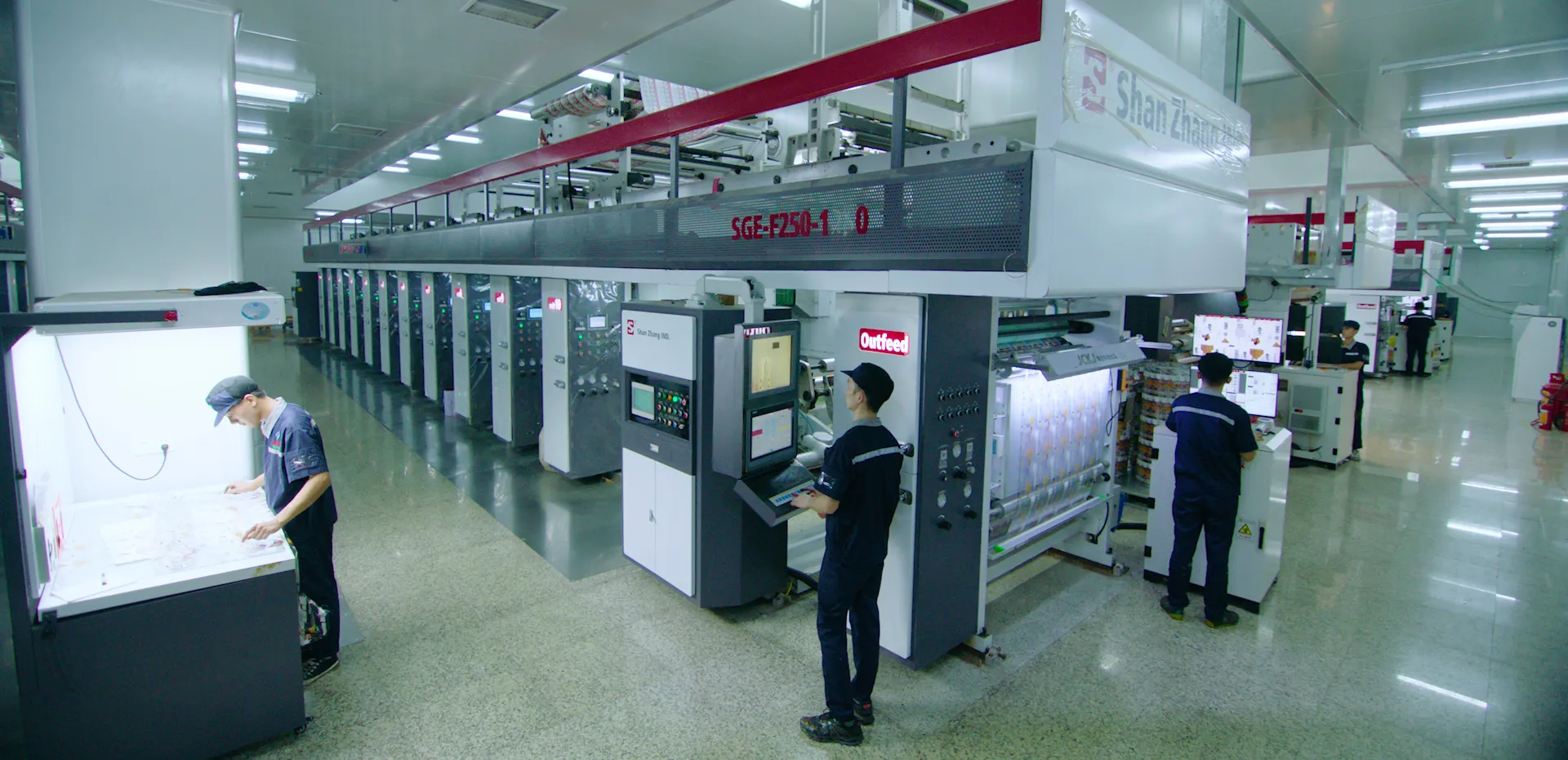
DQ Pack es un fabricante profesional de envases flexibles personalizados con una producción interna dedicada a suministrar soluciones personalizadas de envasado flexible. Nuestras operaciones se basan en marcos de seguridad y conformidad reconocidos internacionalmente, que garantizan una calidad constante, el control de los procesos y la fiabilidad del suministro.
Al gestionar la producción directamente en la fábrica, apoyamos a las marcas con plazos de entrega estables, especificaciones controladas y un rendimiento de fabricación fiable, lo que convierte a DQ Pack en un socio de fábrica en el que puede confiar.