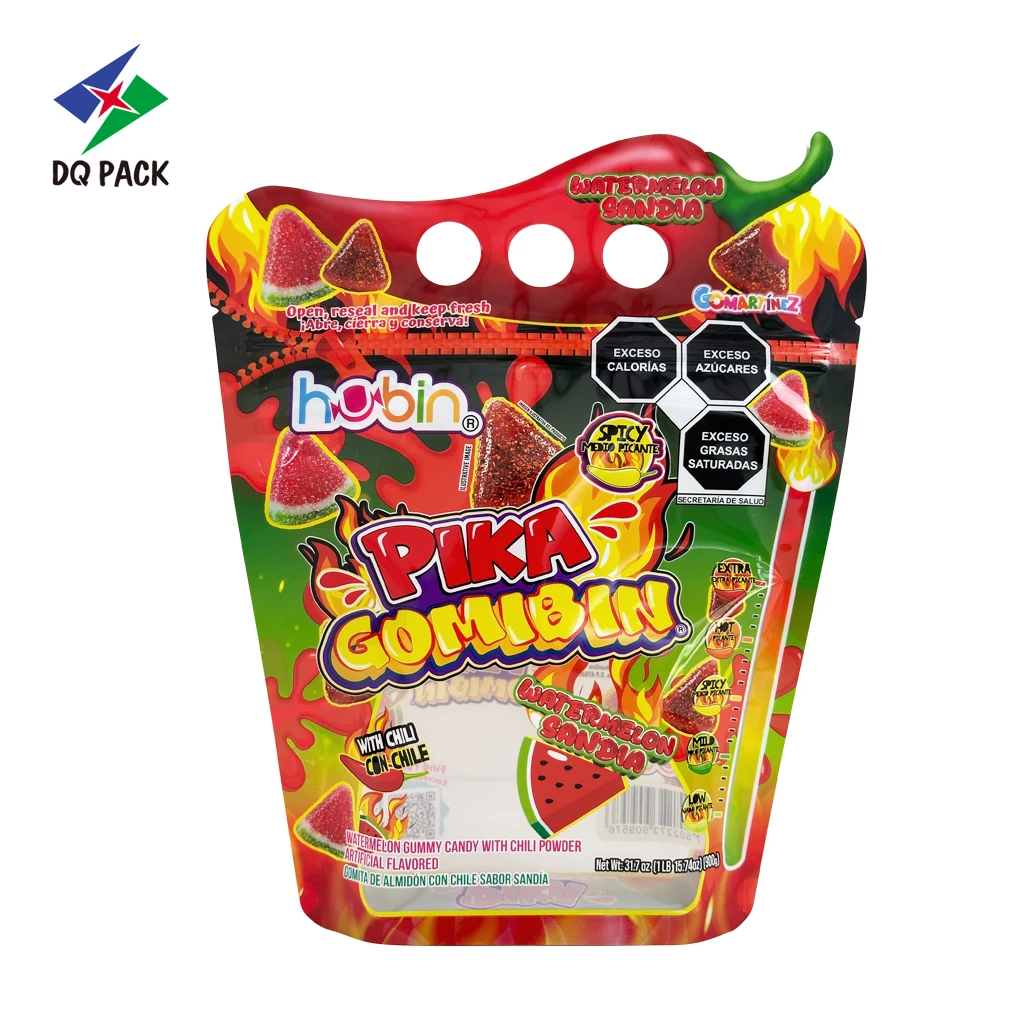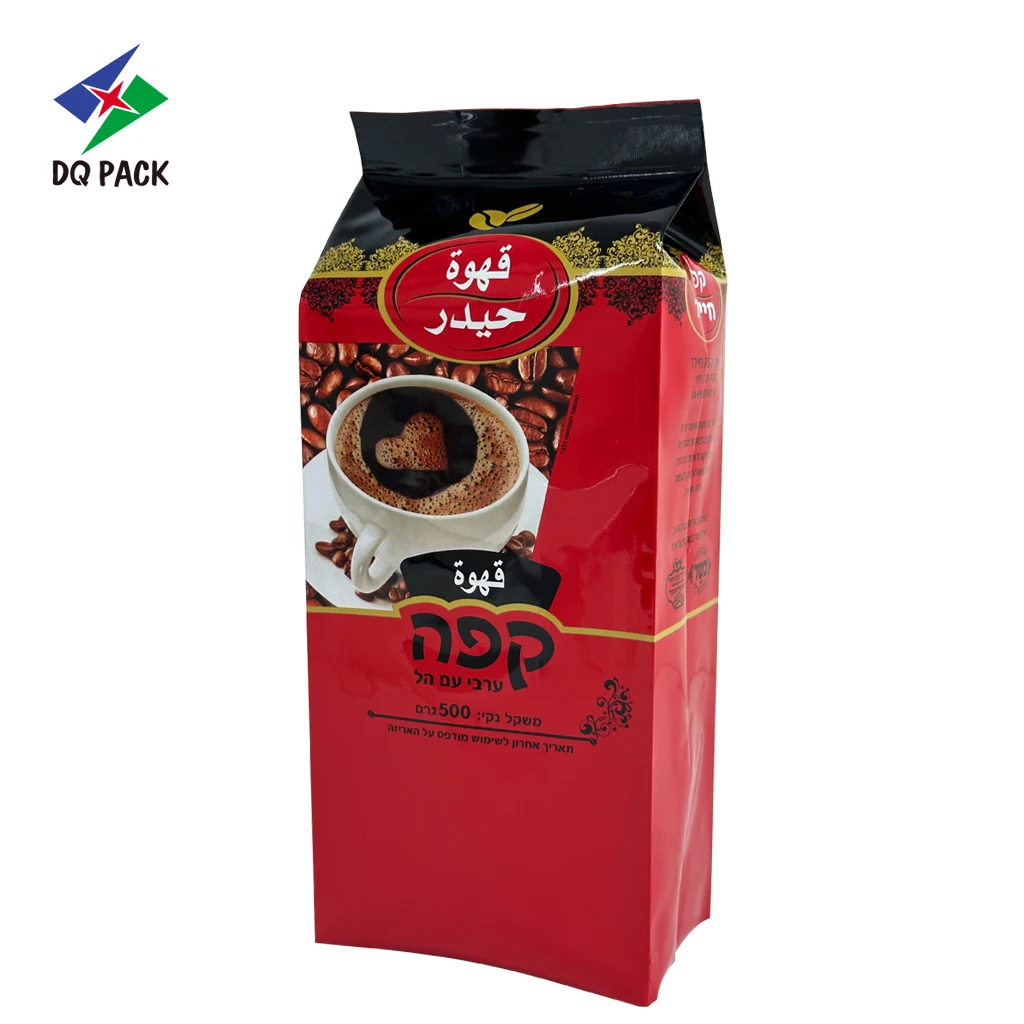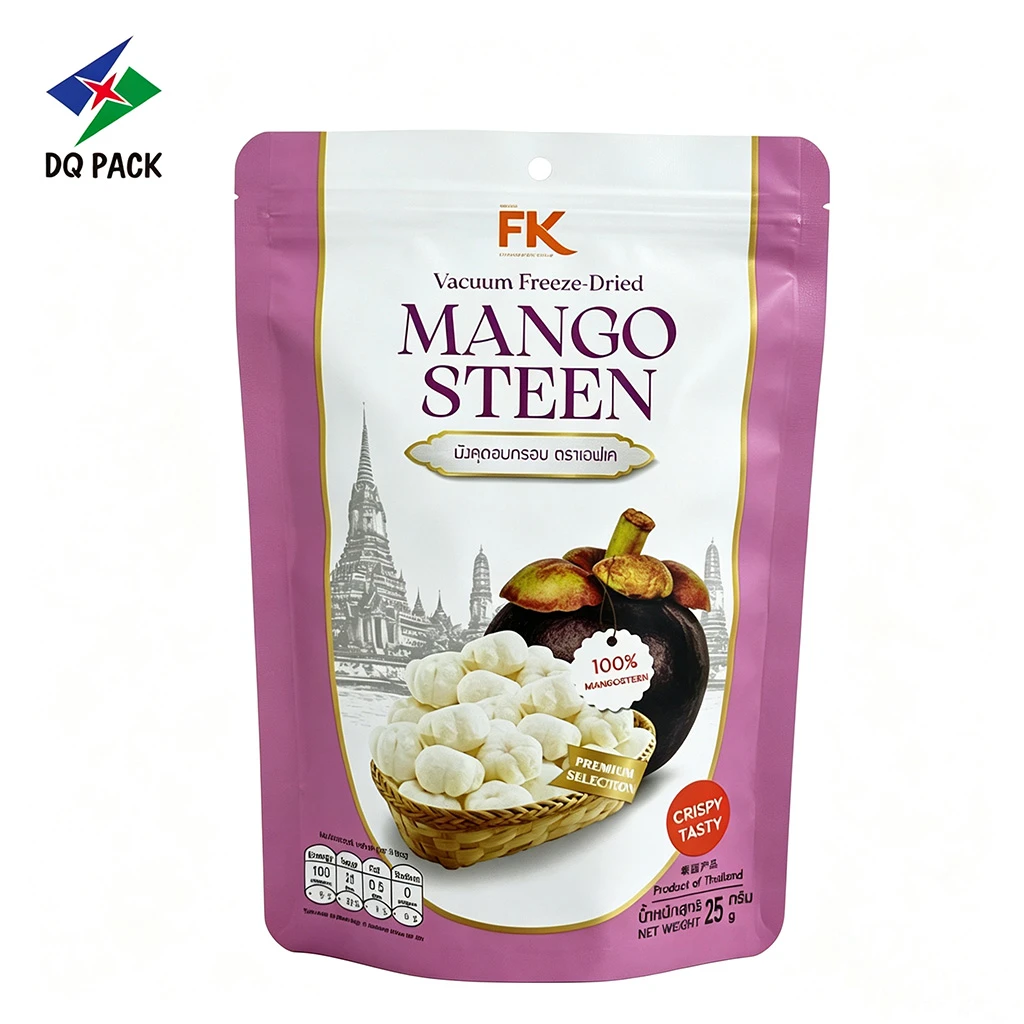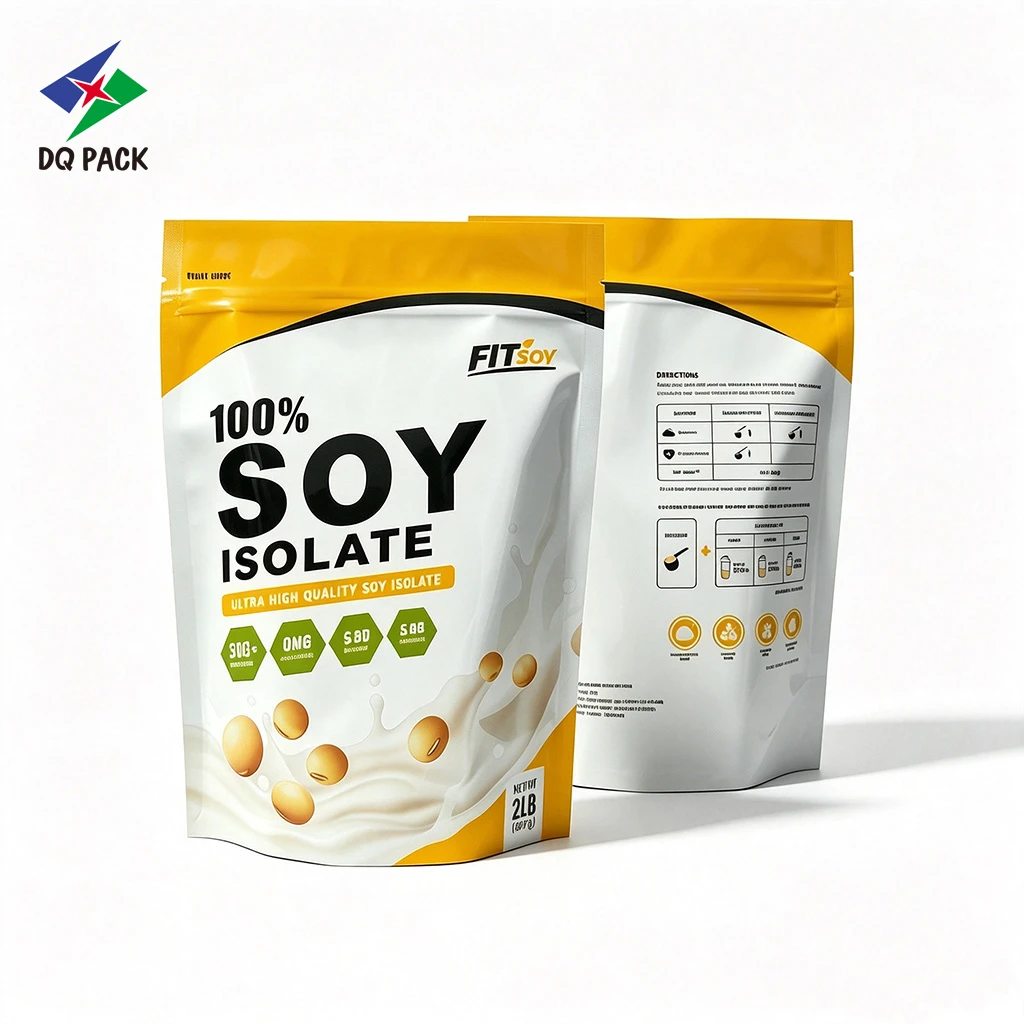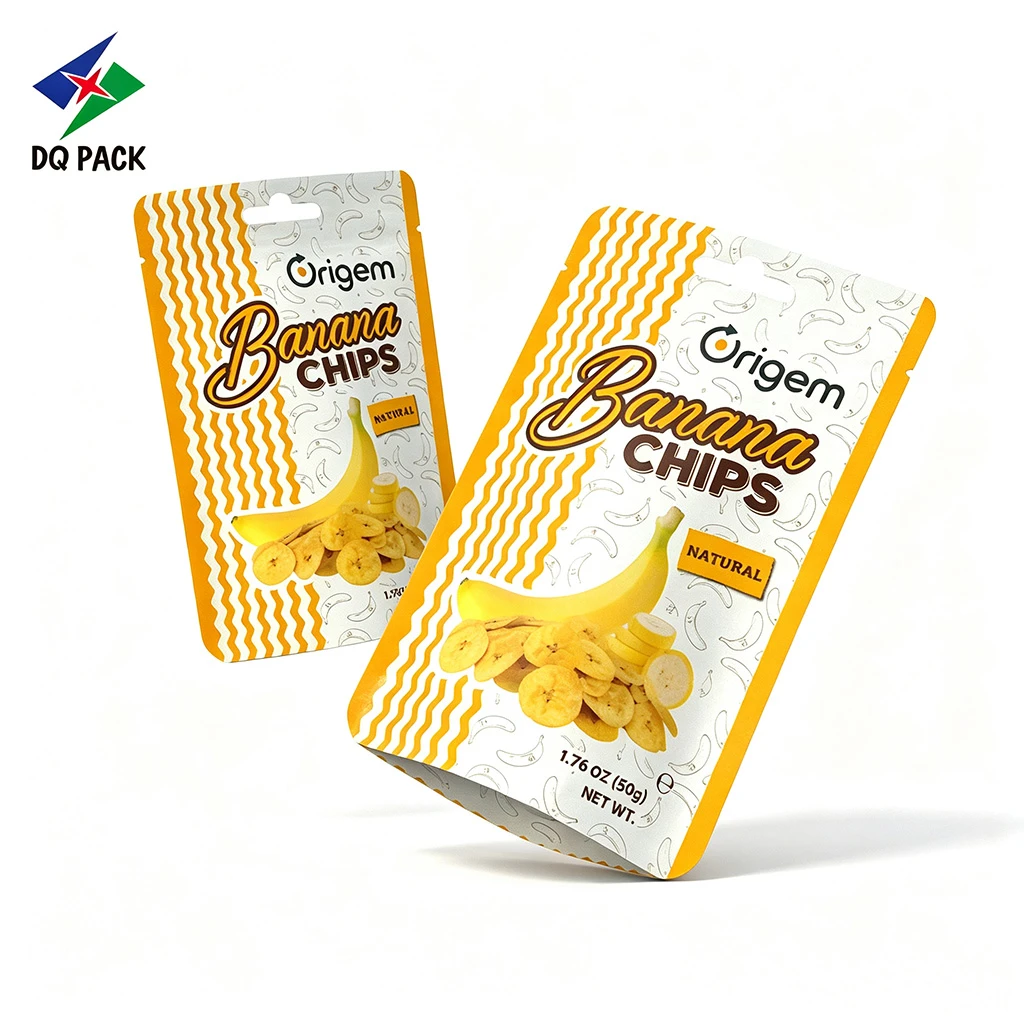


Digital printing is generally better for small orders, multiple SKUs, frequent artwork changes, and market testing. Gravure printing is generally better for high-volume orders, stable designs, strict color consistency, and certain special printing effects.
The best printing method depends on more than unit price. B2B packaging buyers should evaluate order quantity, number of SKUs, artwork stability, color requirements, production lead time, MOQ, and expected reorder volume before making a decision.
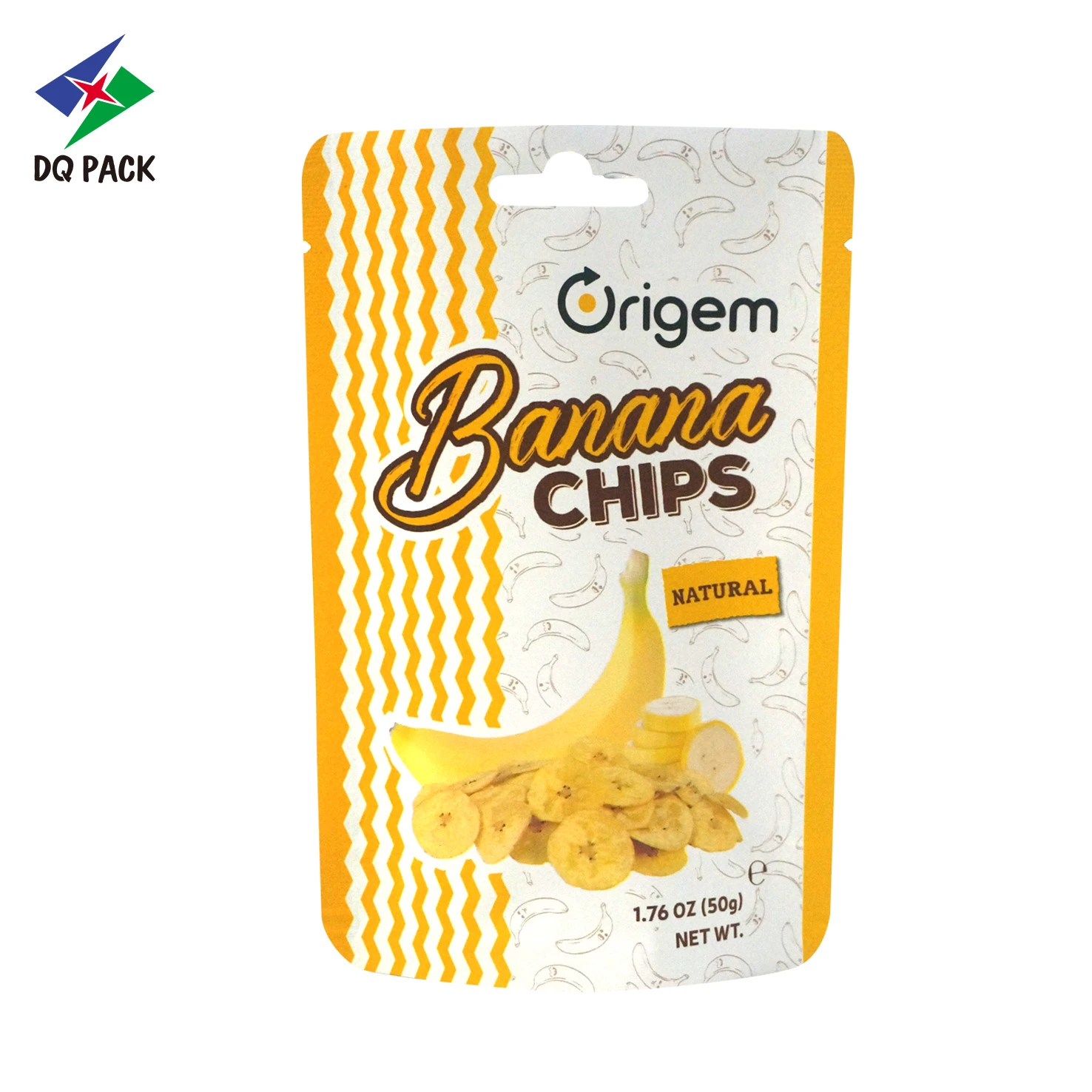
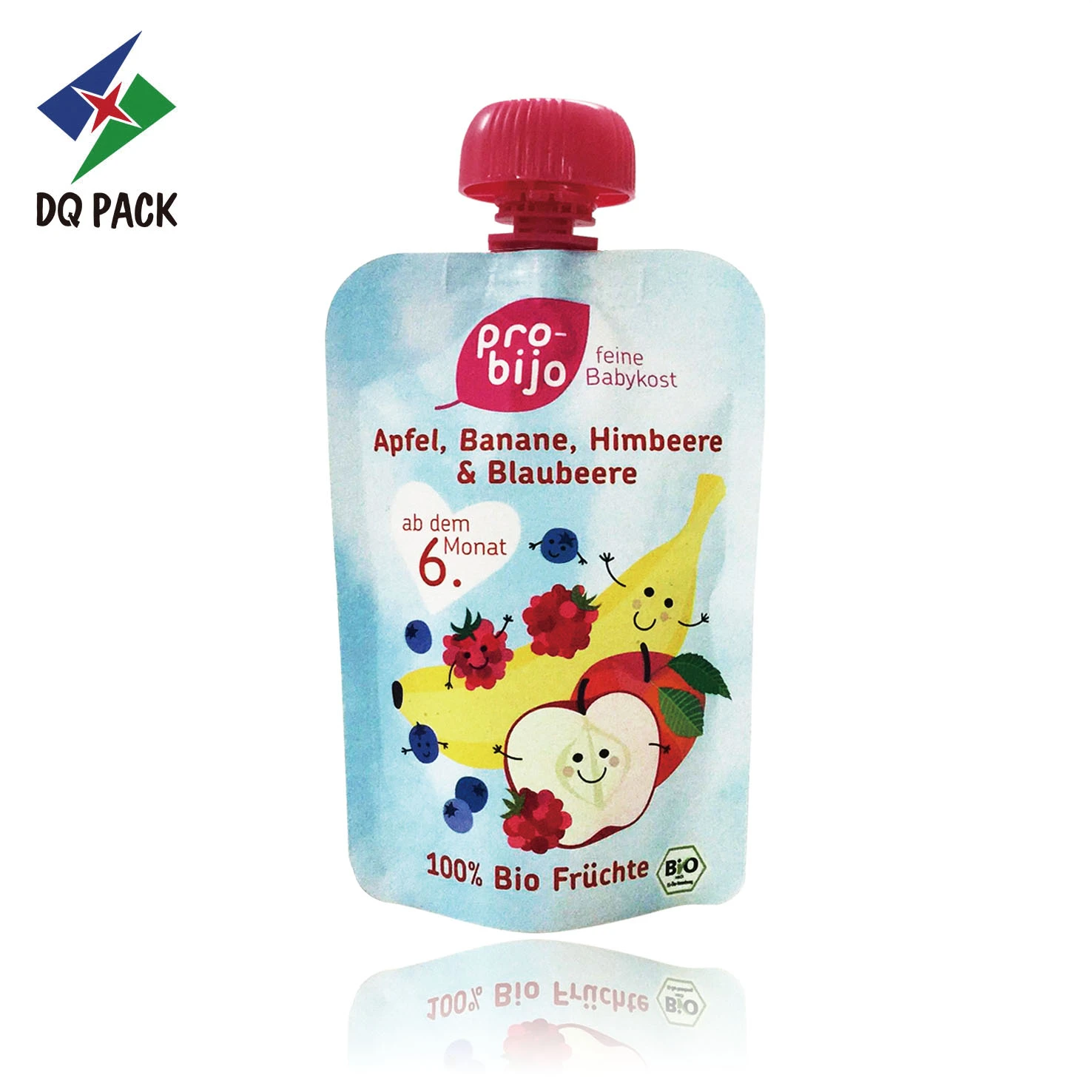
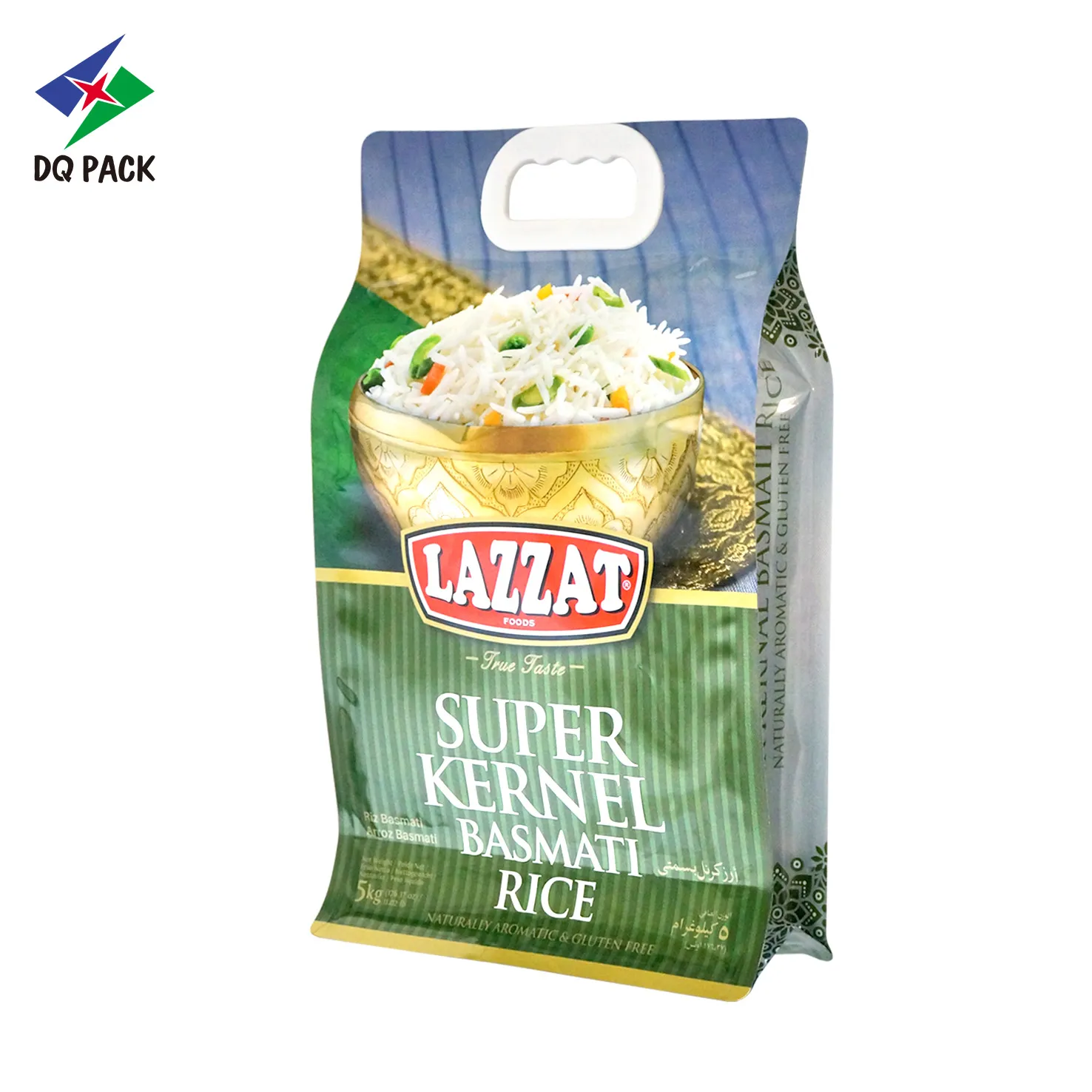
For flexible packaging such as stand up pouches, coffee bags, snack bags, and pet food pouches, choosing the right printing technology can help control packaging costs while reducing inventory risk.
Digital Printing vs. Gravure Printing at a Glance
| Facteur | Impression numérique | Impression en héliogravure |
|---|---|---|
| Small orders | Excellent | Less suitable |
| Large orders | Suitable | Excellent |
| Multiple SKUs | Excellent | Less flexible |
| Frequent artwork changes | Excellent | Less flexible |
| Market testing | Excellent | Less suitable |
| Initial setup cost | Plus bas | Plus élevé |
| Color consistency | Bon | Excellent |
| Large solid-color areas | Bon | Excellent |
| Effets d'impression spéciaux | More limited | More suitable |
| Long-term stable designs | Suitable | Excellent |
| Fast sampling | Faster | More preparation |
| Inventory flexibility | Haut | Plus bas |
Simple rule:
Small quantity + multiple SKUs + frequent changes = consider digital printing.
Large quantity + stable design + strict color requirements = consider gravure printing.
What Is the Difference Between Digital Printing and Gravure Printing?
The main difference is how the artwork is transferred to the packaging film.
Qu'est-ce que l'héliogravure ?
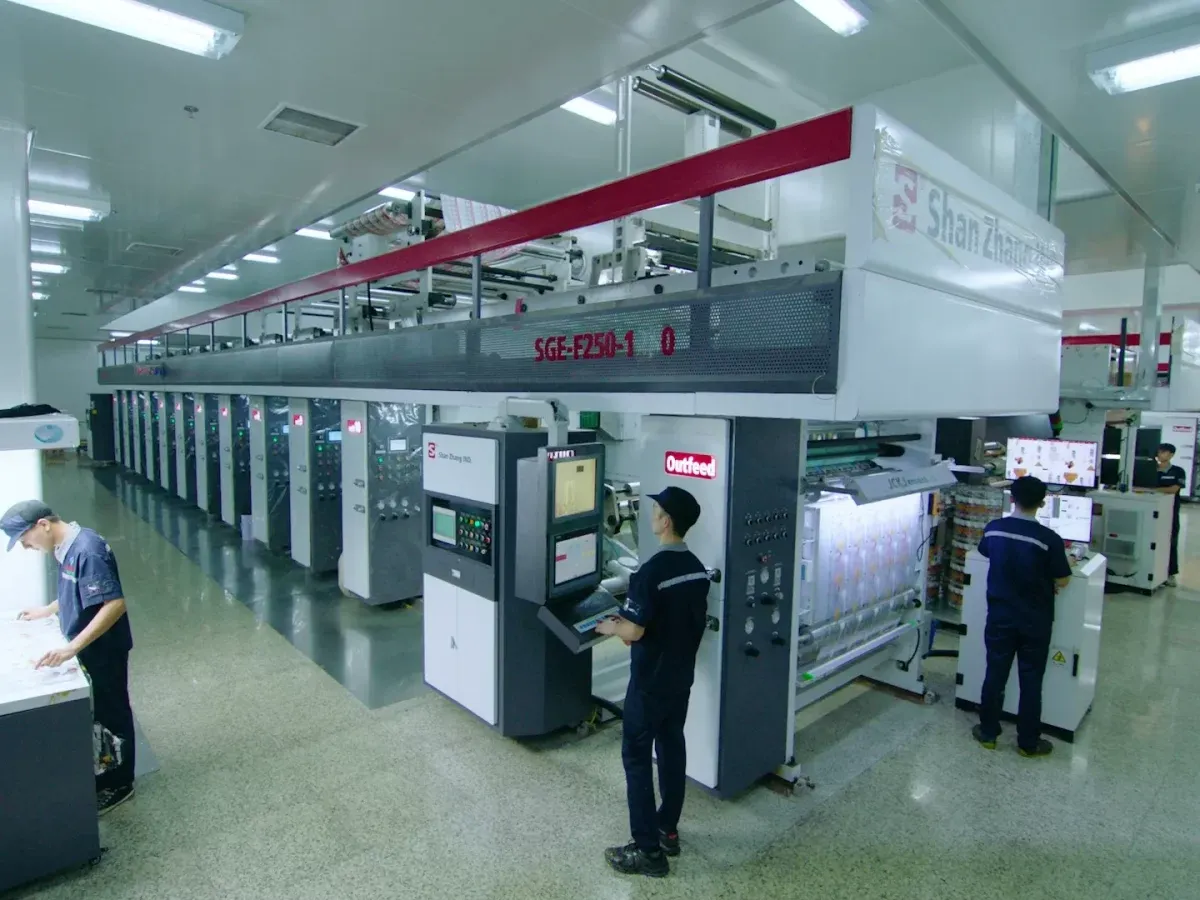
Gravure printing uses engraved cylinders to transfer ink onto the packaging substrate. Conventional gravure production requires cylinder preparation before printing.
This initial setup makes gravure less flexible for very small orders, but the process becomes increasingly attractive when large quantities of the same design are produced.
Main advantages of gravure printing:
- Excellent print consistency
- Strong color reproduction
- Stable results across large production runs
- Good performance for large solid-color areas
- Suitable for certain metallic and specialty effects
- Competitive unit economics for high-volume production
For brands with established products and stable packaging artwork, gravure can be a strong long-term production option.
What Is Digital Printing?
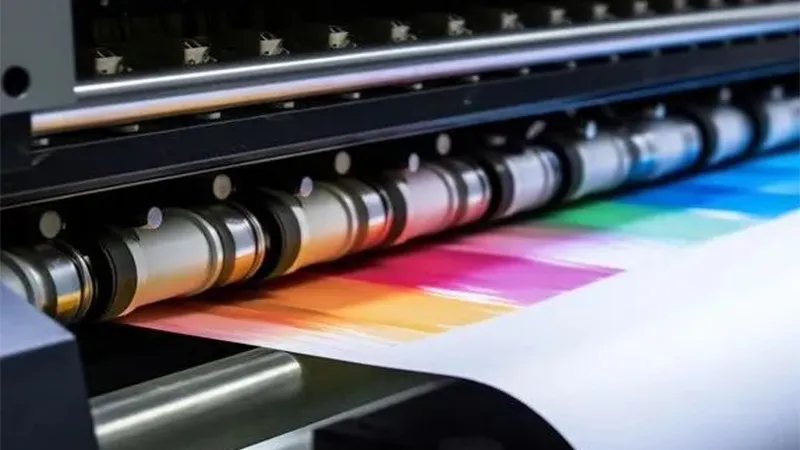
Digital printing transfers artwork directly from a digital file to the packaging substrate without conventional gravure cylinder production.
This makes it easier to produce smaller quantities and change artwork between SKUs.
Main advantages of digital printing:
- No conventional cylinder-making process
- Lower setup requirements
- Flexible production quantities
- Easy artwork changes
- Suitable for multiple SKUs
- Useful for market testing
- Faster preparation for many projects
The source production experience describes digital printing as suitable for small orders and notes that quantities around 2,000 bags can be used in certain production scenarios. It also describes sample production of approximately two to three days depending on the project.
Is Digital Printing Cheaper Than Gravure Printing?
Digital printing is not always cheaper than gravure printing.
Digital printing can be more economical for small orders because there is no conventional gravure cylinder cost. However, as production volume increases, gravure can become more cost-effective because the cylinder cost is distributed across a larger number of bags.
Therefore, B2B buyers should compare total production cost, not just the quoted unit price.
A simple way to think about it is:
Total packaging cost = setup cost + printing cost + bag production cost + other applicable costs
For smaller quantities, eliminating cylinder costs can make digital printing attractive.
For larger quantities of a stable design, the lower unit cost of gravure can offset the initial cylinder investment.
The source material describes approximately 30,000 bags as a potential point where gravure began to become more economical in the referenced production scenario, but this should not be treated as a universal industry threshold. Actual break-even quantities vary by bag size, material, number of colors, artwork, and supplier pricing.
When Should You Choose Digital Printing?
Digital printing is generally a good option when flexibility is more important than minimizing unit cost at very high volumes.
1. You Are Testing a New Product
If you are launching a new product, you may not know how much packaging you will eventually need.
Ordering a very large quantity before validating demand can create:
- Excess packaging inventory
- Storage costs
- Cash-flow pressure
- Obsolete packaging when artwork changes
Digital printing allows brands to test a smaller quantity before scaling production.
2. You Have Multiple SKUs
Multiple SKUs are one of the strongest reasons to consider digital printing.
For example, a coffee brand may have:
- Original roast
- Dark roast
- Medium roast
- Decaf
- Espresso
- Seasonal flavors
If every SKU requires a large conventional printing quantity, packaging inventory can increase quickly.
The source material describes an Australian coffee brand with 12 different bean flavors and approximately 2,000 bags per flavor. Digital printing allowed the brand to produce the different designs while adjusting quantities according to product performance.
This is particularly valuable for brands with many products but relatively low volume per SKU.
3. Your Packaging Design Changes Frequently
Digital printing is suitable for packaging programs involving frequent artwork changes.
Common examples include:
- Seasonal packaging
- Limited-edition products
- Promotional campaigns
- New flavors
- Product redesigns
- Different packaging for different markets
With digital printing, artwork can generally be updated through the digital production file rather than requiring a new conventional gravure cylinder.
4. You Need Fast Market Testing
When a product launch depends on packaging speed, digital printing can shorten the preparation process.
The production reference indicates that digital samples can be produced in approximately two to three days in the described scenario.
Actual lead time depends on the packaging material, bag structure, artwork, quantity, equipment, and production schedule.
When Should You Choose Gravure Printing?
Gravure printing is generally more suitable when you have large production volumes and stable packaging designs.
1. You Need Large Quantities
When the same packaging design is produced in large quantities, the initial cylinder cost can be spread over more bags.
This can make gravure increasingly competitive on a per-bag basis.
The exact economic threshold varies by project, so ask your supplier for a quotation at your actual order quantity.
2. You Need Consistent Brand Colors
Color consistency can be critical for established brands.
If your packaging uses a recognizable brand color across multiple products and production batches, consistent reproduction is an important consideration.
Gravure printing can provide strong repeatability for long production runs.
This makes it particularly suitable for packaging that requires:
- Specific spot colors
- Strong color saturation
- Consistent brand colors
- Large solid-color areas
- Repeated production of the same artwork
The source material notes that gravure provided stronger color saturation and spot-color reproduction in the referenced project.
3. Your Design Uses Large Solid-Color Areas
Large areas of solid color can require careful evaluation.
Gravure printing has a physical printing advantage in maintaining ink-layer consistency across large areas.
Digital printing can also produce high-quality packaging, but subtle variations may be more noticeable on certain large solid-color designs.
If your brand has strict visual standards, always request a physical production sample before approving mass production.
4. You Need Certain Special Effects
Depending on the equipment and production process, gravure printing may be more suitable for packaging designs that require certain specialty effects.
Examples can include:
- Metallic inks
- Special color effects
- Certain tactile finishes
- Large solid-color backgrounds
The original production material specifically identifies metallic ink and certain specialized effects as areas where gravure can have advantages over the referenced digital process.
The exact capability should always be confirmed with the packaging manufacturer because available finishes vary by equipment and material.
What Are the Limitations of Digital Printing?
Digital printing provides flexibility, but buyers should understand its limitations.
White Ink Coverage
White ink performance can be important when printing light-colored graphics on dark or metallized substrates.
In the production reference, digital white ink showed weaker coverage than the gravure process used in that project. This could make light designs appear darker or less opaque on certain substrates.
If your artwork depends heavily on white graphics, request a physical sample before mass production.
Large Solid Colors
Digital printing may require additional evaluation when the design contains very large areas of solid color.
The reference material notes that subtle light-and-dark variations can sometimes occur in large solid-color areas, whereas gravure benefits from the uniformity of cylinder-based printing.
This may be insignificant for many designs but important for brands with strict color standards.
How Does MOQ Affect Your Printing Choice?
MOQ, or minimum order quantity, is one of the most important factors when choosing between digital and gravure printing.
Traditional gravure production requires cylinder preparation, so suppliers often establish higher minimum quantities to make the setup economical.
A high MOQ can create challenges for brands with multiple SKUs.
Par exemple :
3 SKUs × 50,000 bags = 150,000 bags
That may be manageable for an established high-volume brand.
For a startup, however, it may create excessive inventory before the products have been validated.
This is why digital printing can be attractive for new products and multiple-SKU packaging programs.
How Many SKUs Do You Have?
Your SKU strategy should be part of the printing decision.
Few SKUs + High Volume
Gravure is often worth evaluating.
Exemple :
1 SKU × 100,000 bags
The artwork is stable and the quantity is large.
Many SKUs + Low Volume
Digital printing is often more flexible.
Exemple :
10 SKUs × 2,000 bags
Each SKU can be tested without committing to a large quantity of every design.
Growing Volume
Consider a staged approach:
Digital → Market Test → Sales Validation → Gravure
This allows your printing strategy to change as your product volume changes.
Can You Switch From Digital Printing to Gravure Later?
Yes. A brand can start with digital printing and transition successful products to gravure as order volume increases.
This can be a practical strategy for growing brands.
The source material describes a pet food brand that initially ordered 3,000 bags using digital printing. When repeat orders increased toward 20,000 bags, the supplier developed a transition plan while preparing gravure cylinders for future production.
However, the transition requires careful color management.
When switching from digital to gravure, buyers should compare:
- Color saturation
- Spot-color reproduction
- Artwork positioning
- Print density
- Material appearance
- Finishing effects
In the referenced project, color calibration between the two processes was used to maintain visual consistency between old and new packaging batches.
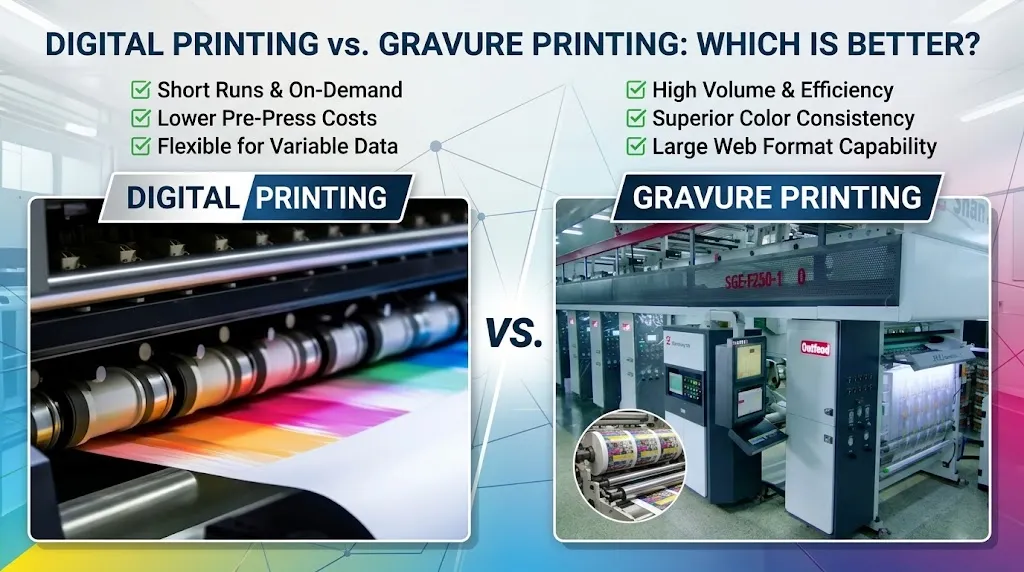
Digital Printing or Gravure: Which One Should You Choose?
Use this decision guide:
Choose Digital Printing When:
- Your order quantity is relatively small
- You have many SKUs
- You are testing the market
- Your artwork changes frequently
- You need flexible production quantities
- You want to reduce excess packaging inventory
- You need fast samples
Choose Gravure Printing When:
- Your order quantity is large
- Your artwork is stable
- You have regular repeat orders
- Brand color consistency is critical
- Your design uses large solid-color areas
- You need certain special printing effects
- Long-term production efficiency is a priority
Consider Both When:
- Your brand is growing
- Initial volume is uncertain
- You have multiple SKUs
- Some products are likely to scale quickly
A hybrid strategy can allow you to use digital printing for product validation and gravure printing for successful high-volume SKUs.
What Should You Ask Your Packaging Manufacturer?
Before choosing a printing method, send your supplier the following information:
Product Information
- Type de produit
- Bag type
- Bag size
- Filling weight
Order Information
- Initial quantity
- Expected annual volume
- Number of SKUs
- Expected reorder frequency
Design Information
- Artwork
- Number of colors
- Spot colors
- Solid-color areas
- Metallic or specialty effects
Production Information
- Required delivery date
- Filling machine requirements
- Material requirements
- Sustainability requirements
Then ask your supplier to provide:
- Digital printing quotation
- Gravure printing quotation
- MOQ for each option
- Setup or cylinder costs
- Sample lead time
- Mass-production lead time
- Reorder pricing
- Physical samples for color evaluation
This allows you to compare the two processes based on your actual project instead of relying on generic pricing rules.
How PACK DQ Supports Flexible Packaging Printing
Au PACK DQ, we understand that printing technology should be selected according to the customer’s order volume, SKU strategy, artwork requirements, and long-term purchasing plan.
Rather than recommending one printing method for every project, we can help B2B buyers evaluate whether digital printing, gravure printing, or a transition strategy makes more sense for their packaging program.
Our flexible packaging solutions include:
- Stand up pouches
- Coffee bags
- Snack packaging
- Pet food bags
- Pochettes à bec
- Rollstock film
- Custom printed flexible packaging
- Digital printing
- Impression en héliogravure
- OEM/ODM packaging
For brands with new products or multiple SKUs, digital printing can provide greater flexibility.
For established products with higher production volumes, gravure printing can provide strong consistency and production efficiency.
Foire aux questions
Is digital printing better than gravure printing?
Neither is universally better. Digital printing is generally better for small orders, multiple SKUs, frequent design changes, and market testing. Gravure is generally better for high-volume production, stable designs, strict color consistency, and certain specialty effects.
Which printing method is cheaper for small orders?
Digital printing is often more cost-effective for smaller orders because it avoids conventional cylinder setup costs. However, the actual price depends on the packaging specification and supplier quotation.
Which printing method is better for large orders?
Gravure printing is often more competitive for large-volume production because the initial cylinder cost can be distributed across many bags.
What is the MOQ for digital packaging printing?
MOQ varies by supplier, packaging structure, material, and equipment. The production case in the source material used approximately 2,000 bags as a small digital-printing quantity, but buyers should confirm the actual MOQ for their project.
Is gravure printing better for color consistency?
Gravure can provide strong color consistency and repeatability, particularly for stable designs produced in large quantities.
Is digital printing suitable for multiple SKUs?
Yes. Multiple SKUs are one of the key applications for digital printing because artwork can be changed without producing a new conventional cylinder for each design.
Can digital and gravure packaging look the same?
They can be made visually consistent, but color calibration and physical sample approval are important when switching between processes. The referenced production case used color calibration to maintain consistency between digital and gravure packaging.
Should I choose digital printing for my first packaging order?
If you are launching a new product, testing the market, or ordering relatively small quantities across multiple SKUs, digital printing may be worth considering. If you already have stable high-volume demand, gravure may be more appropriate.
Final Takeaway
The best printing technology is not determined by printing technology alone.
For B2B flexible packaging, the decision should be based on:
Order Volume + SKU Quantity + Artwork Stability + Color Requirements + Lead Time + Total Cost
If you are testing a new product or managing multiple SKUs, digital printing can give you the flexibility to start smaller and adjust production according to market demand.
If you have large, stable orders and strict color requirements, gravure printing can offer strong production consistency and potentially better long-term unit economics.
For growing brands, you don’t necessarily have to choose one method permanently.
A practical strategy can be:
Start with digital → test the market → identify successful SKUs → scale with gravure.
Before placing a bulk packaging order, ask your supplier to compare both options based on your actual quantity, artwork, SKU count, and future reorder plan.
Not sure which printing process is right for your flexible packaging?
Send PACK DQ your packaging type, quantity, number of SKUs, and artwork requirements. Our packaging specialists can help you evaluate the appropriate printing solution and provide a project-specific quotation.
Request a Quote → Get a Sample → Talk to a DQ PACK Packaging Expert