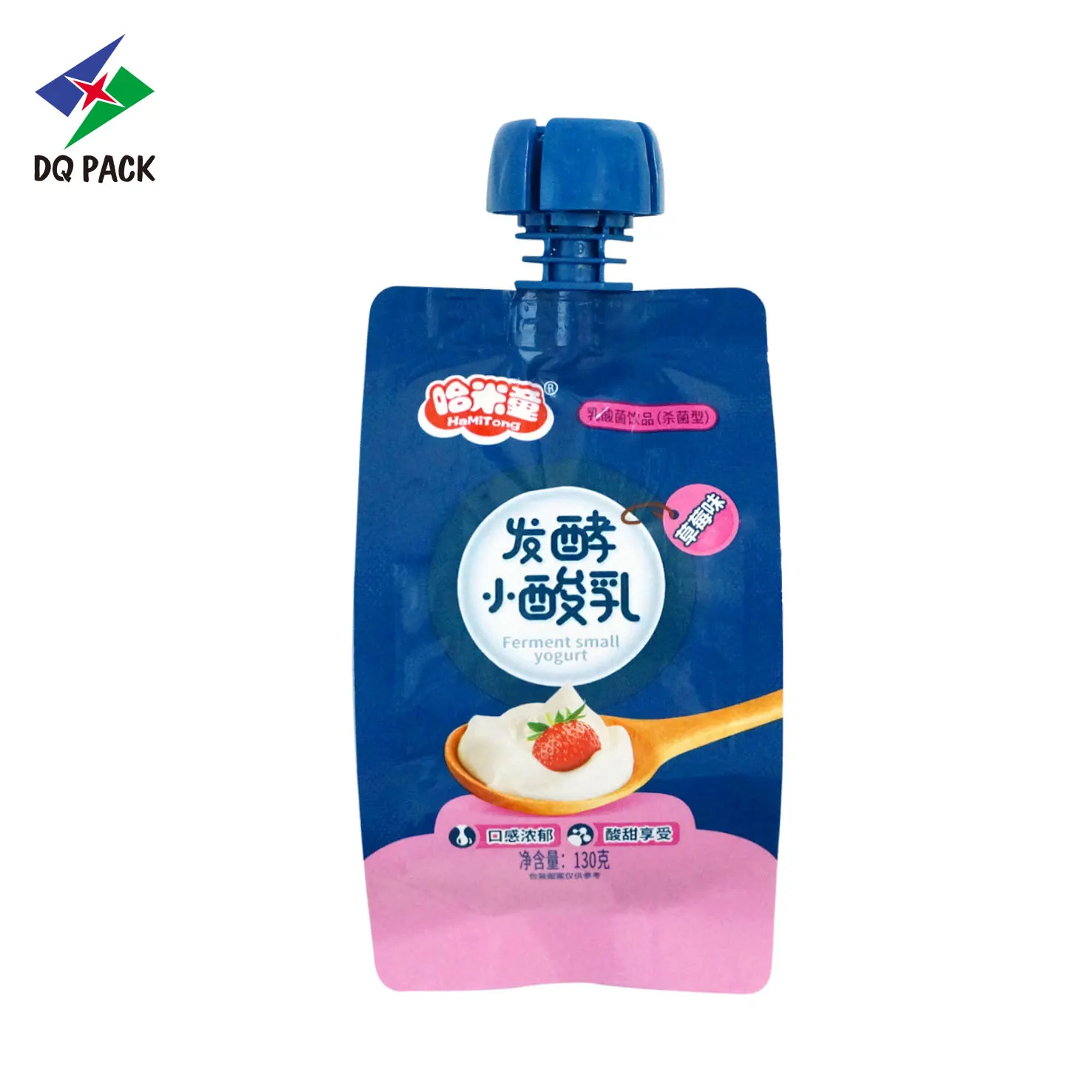


While the purchase price of a roll of packaging film may only differ slightly, choosing the wrong structure often costs far more than the material itself. It can lead to premature oxidation, frequent machine downtime, seal leakage, or even costly product rejections after long-distance transit. When evaluating single-layer vs. multi-layer roll film, the key isn’t finding which is universally “better,” but discovering which structure perfectly matches your specific product requirements.
As a trusted leader in flexible packaging, DQパック leverages over 30 years of manufacturing experience and state-of-the-art facilities to provide high-quality, ISO-certified custom film solutions to meet your unique packaging needs.
What is the Difference Between Single-layer Film and Multi-layer Composite Film?
When comparing single-layer vs. multi-layer roll film, the primary difference lies in structural complexity and functional performance.
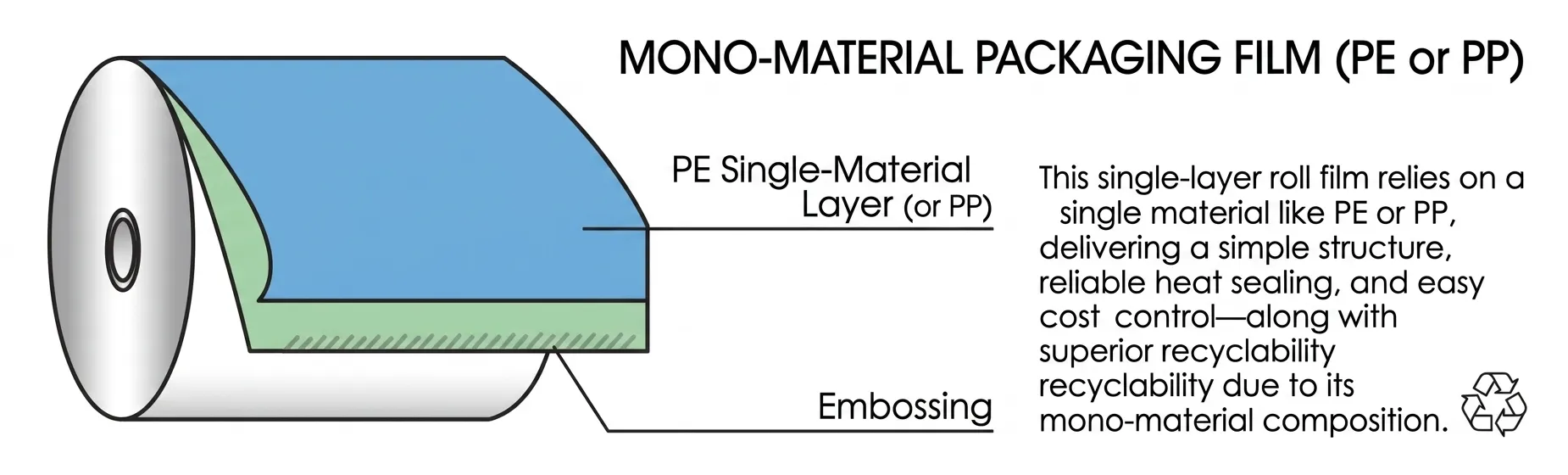
Single-layer roll film relies on a single material like PE or PP, delivering a simple structure, reliable heat sealing, and easy cost control—along with superior recyclability due to its mono-material composition.
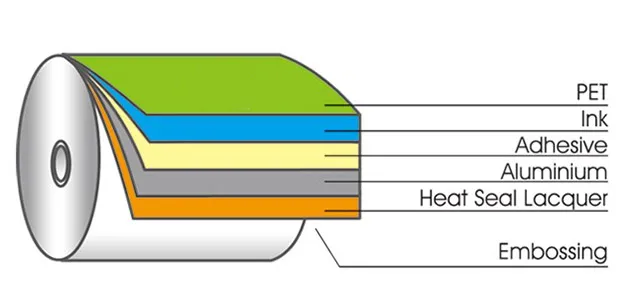
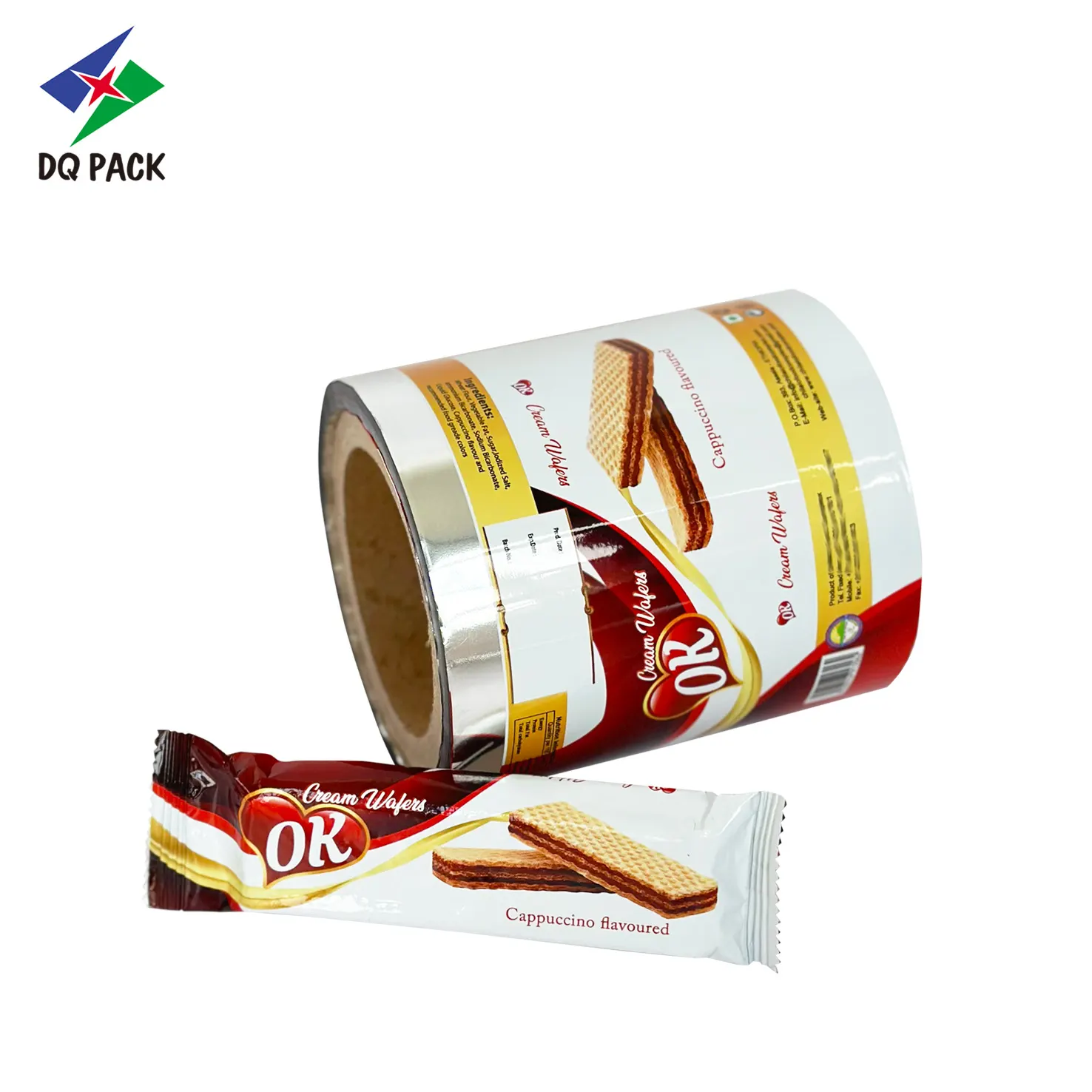
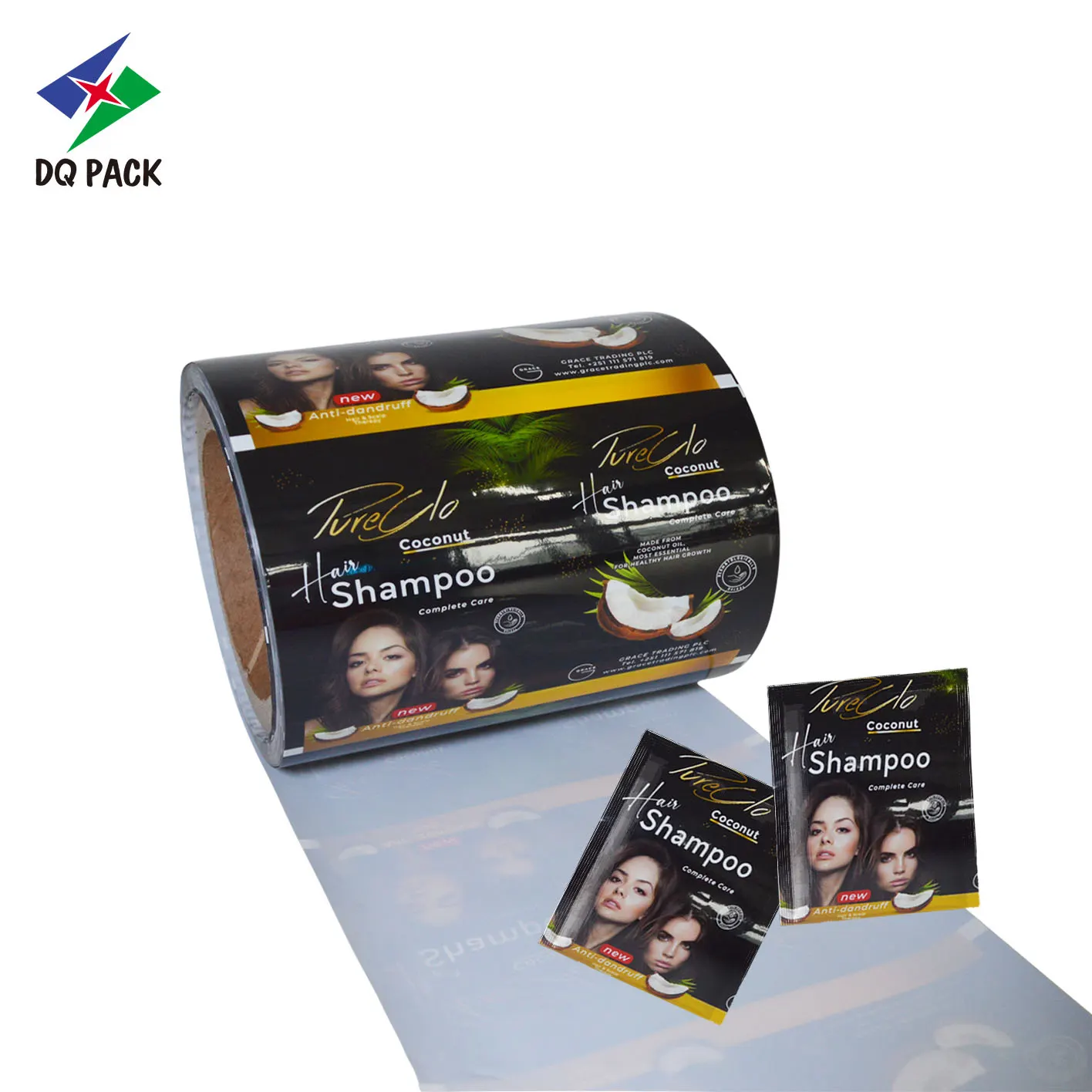
Multi-layer laminated films combine multiple functional materials (e.g., PET/AL/PE, PET/NY/PE) into a unified structure. Each material fulfills a specific role: PET ensures sharp printing quality and mechanical strength; AL or VMPET improves oxygen, water vapor, and light barrier properties; PE manages heat sealing; and Nylon (NY) boosts puncture resistance and tensile strength.
Therefore, the debate of single-layer vs. multi-layer roll film comes down to application needs: multi-layer films are not simply ‘thicker,’ but are designed to solve multiple protective challenges simultaneously within a strict thickness limit.
Performance Comparison: Single-Layer vs. Multi-Layer Roll Film Structures
| 特徴 | Single-Layer Roll Film | Multi-Layer Roll Film |
| Oxygen & Moisture Barrier | Low to Moderate | High to Ultra-High |
| Mechanical Strength | Basic | Higher, Can Be Reinforced |
| 賞味期限 | Suitable for Shorter Storage | Suitable for Long-Term Storage |
| Material Cost | より低い | Higher Initial Cost |
| リサイクル性 | Better for Mono-material | Depends on Material Structure |
| Print Protection | 数量限定 | Reverse Printing Available |
The biggest difference usually occurs in barrier performance.
Ordinary single-layer PE or PP can meet basic packaging needs, but its protective ability may not be sufficient for products that are prone to oxidation, moisture absorption, or require long-term storage.
The multi-layer structure can add AL, VMPET, NY, or other functional layers according to product requirements, and adjust for oxygen, water vapor, light, and puncture risks.
But high barrier does not mean that all products must use high barrier membranes.
Packaging ordinary dry goods such as sugar and salt directly using complex PET/AL/PE may only increase costs.
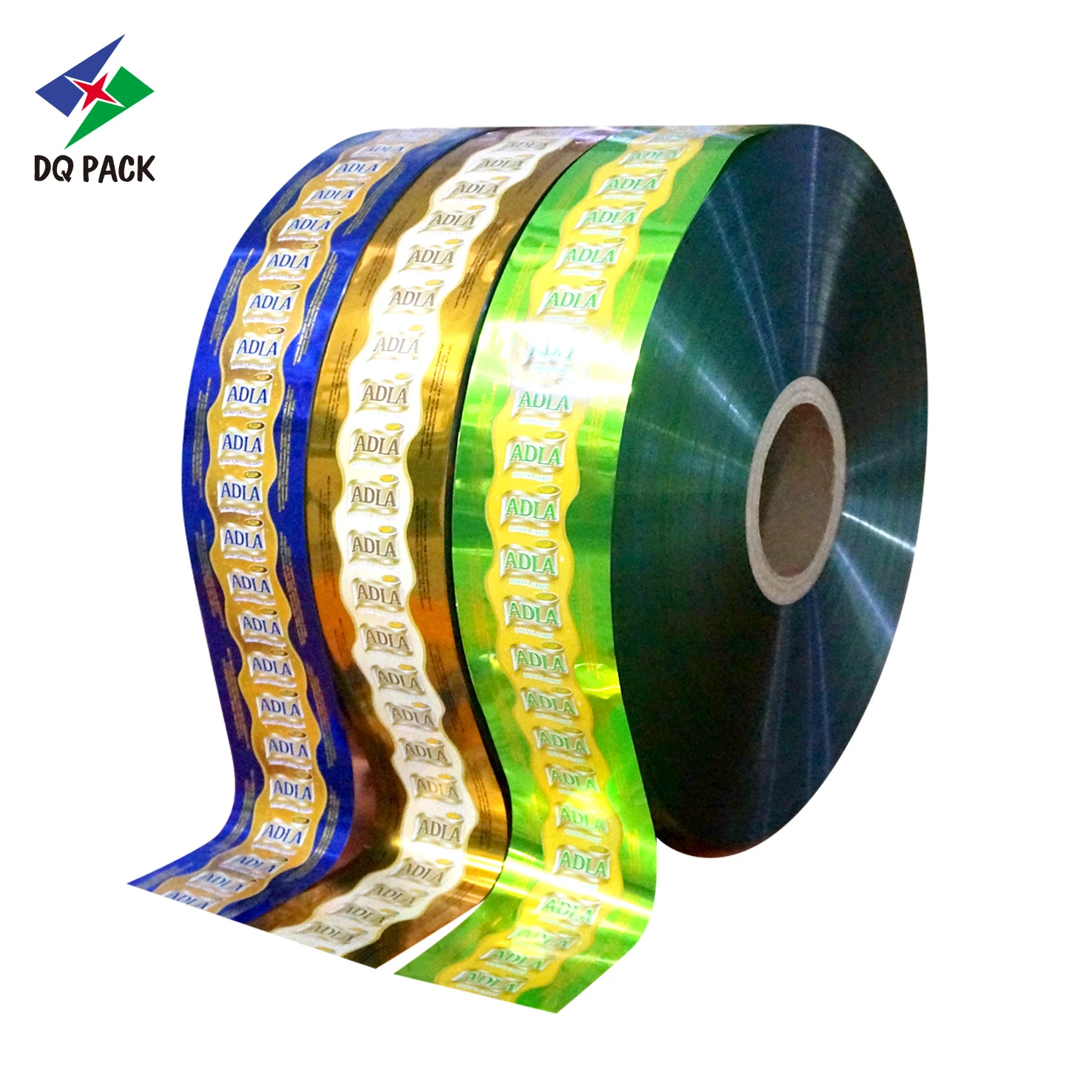
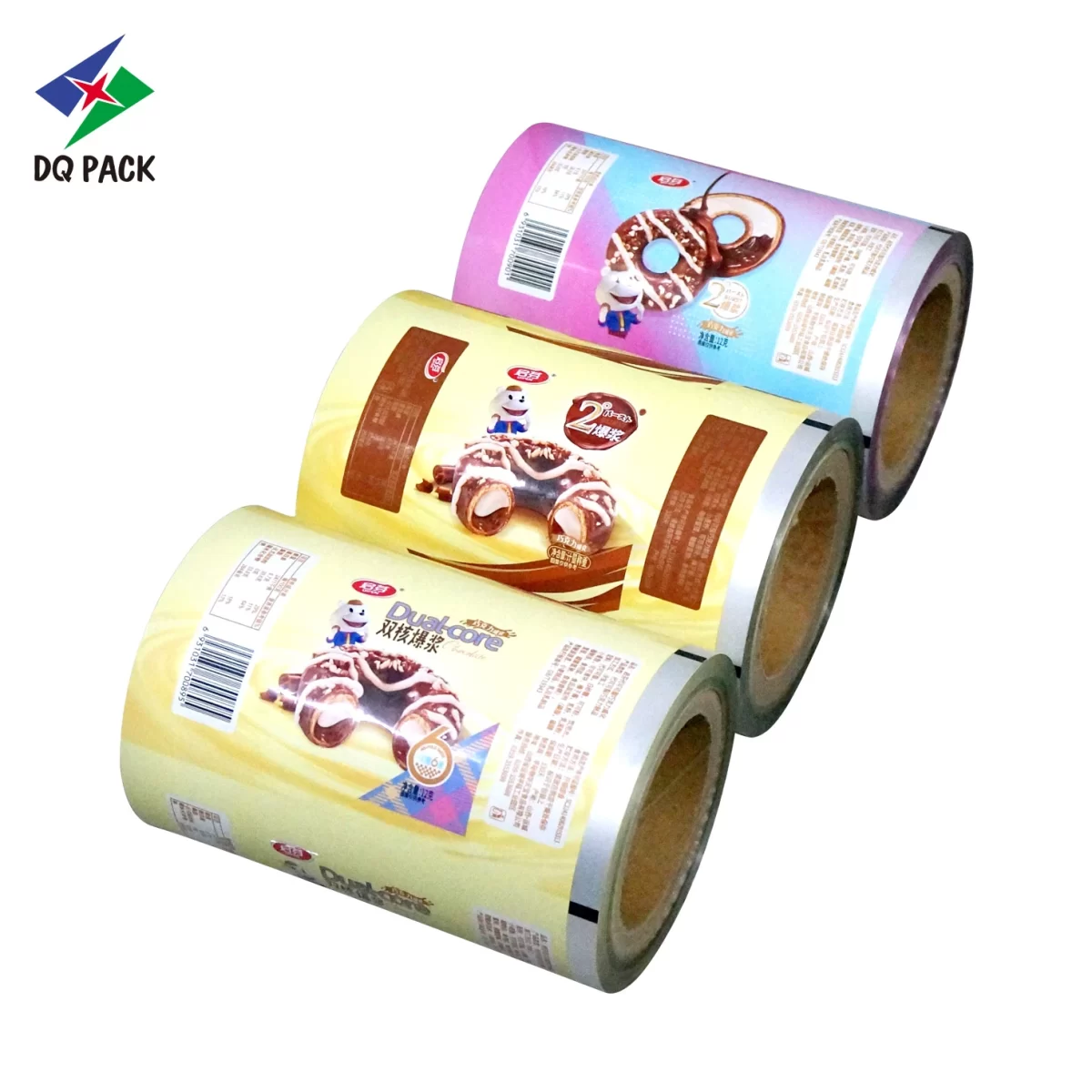
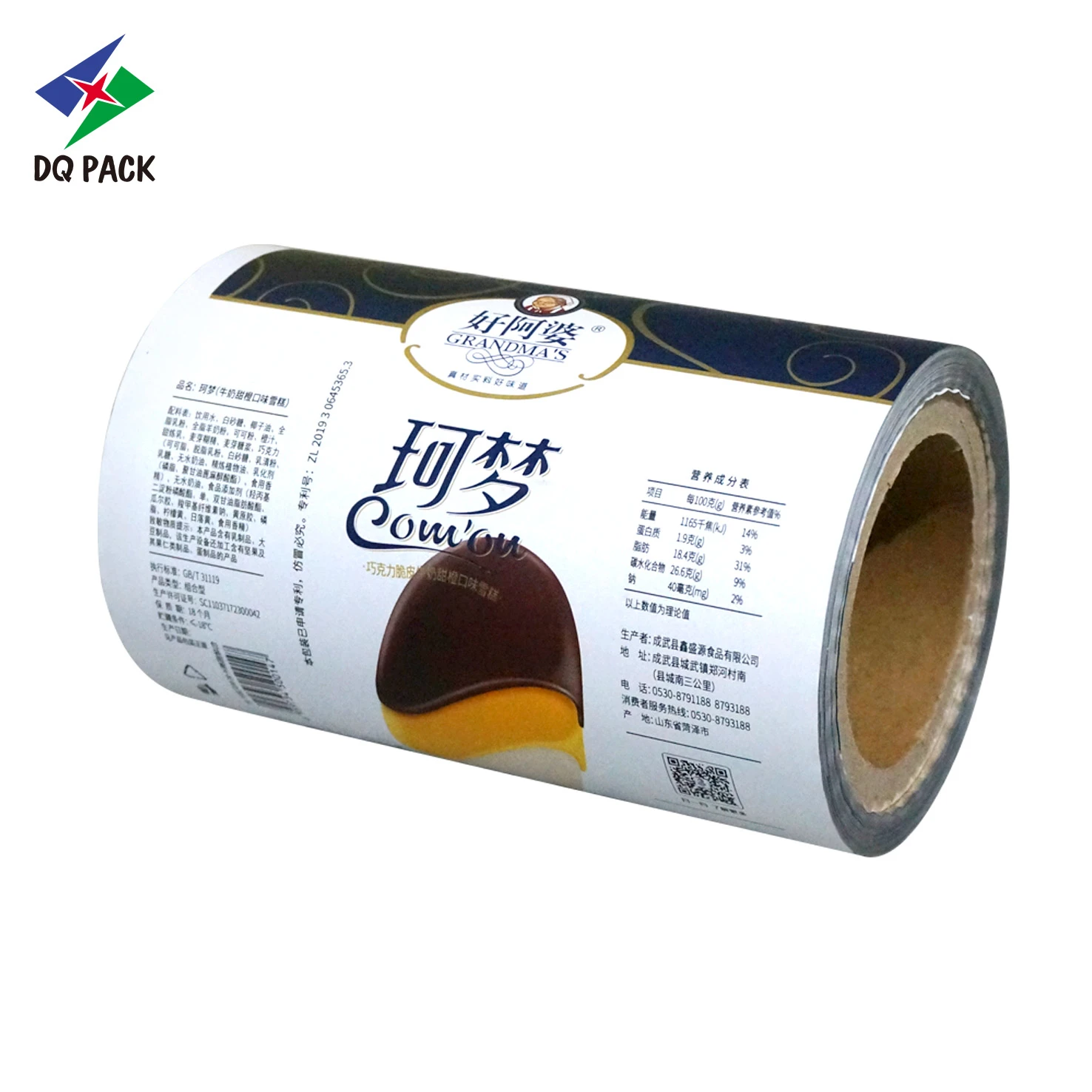
Pros and Cons of Single-Layer vs. Multi-Layer Roll Film
Understanding the advantages and limitations of single-layer vs. multi-layer roll film helps packaging buyers balance cost, product protection, and sustainability.
| 構造 | メリット | Limitations |
|---|---|---|
| Single-Layer Roll Film | Lower material cost; Excellent heat sealing; Simpler converting process; Better recycling potential with mono-material structures | Limited oxygen, moisture, and light barrier; Shorter shelf life; Less suitable for export or high-value products |
| Multi-Layer Roll Film | Excellent barrier performance; Longer shelf life; Better puncture resistance; Reverse printing protects graphics; Suitable for demanding applications | Higher material cost; More complex recycling depending on structure; Requires professional material selection |
Neither option is universally better. The best choice depends on the product’s sensitivity, logistics environment, filling process, and expected shelf life. Evaluating single-layer vs. multi-layer roll film from the perspective of total packaging cost rather than purchase price usually leads to better long-term value.
Which Products Are Best Suited for Single-Layer Roll Film?
Products with short shelf life and fast circulation can usually prioritize single-layer structures.
For example, daily food production, short-distance delivery products, or ordinary dry goods that are insensitive to oxygen and water vapor. Salt, sugar, and some industrial particles have relatively low requirements for packaging barrier performance, and a simple structure may be sufficient.
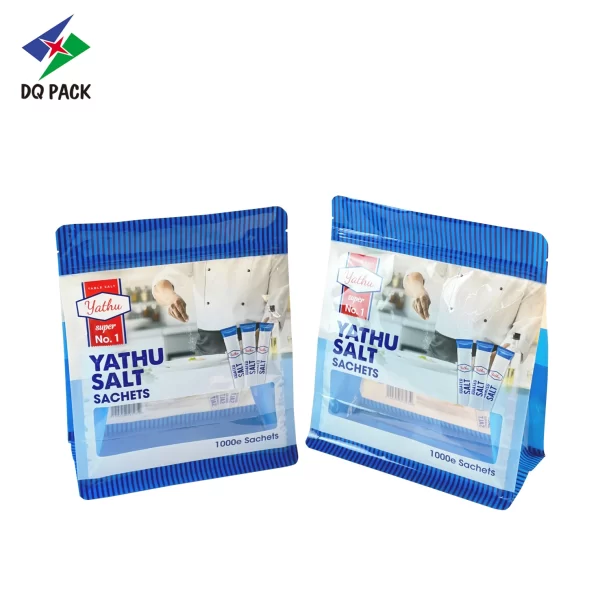
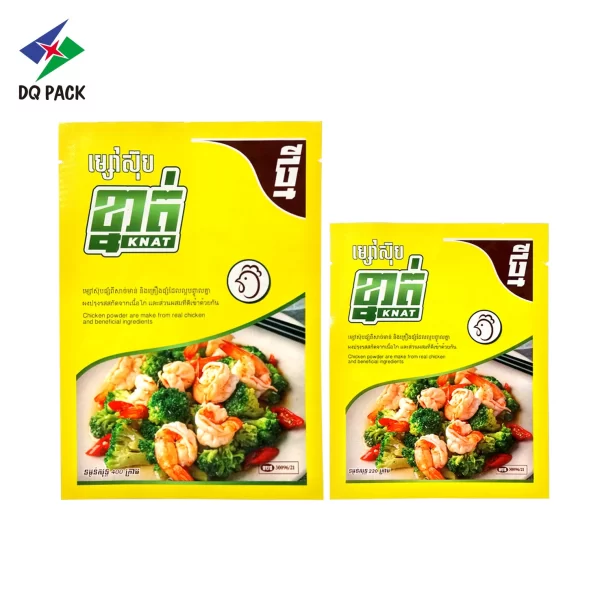
If the brand focuses on recyclable packaging, mono-material roll film is also a direction worth considering.
However, it is not suitable for all products.
For powders or liquids that contain oil, are prone to oxidation, and are prone to moisture absorption, single-layer films may not provide sufficient protection if they require long-term storage and cross-border transportation.
Under What Circumstances Must Multi-Layer Composite Structures Be Considered?
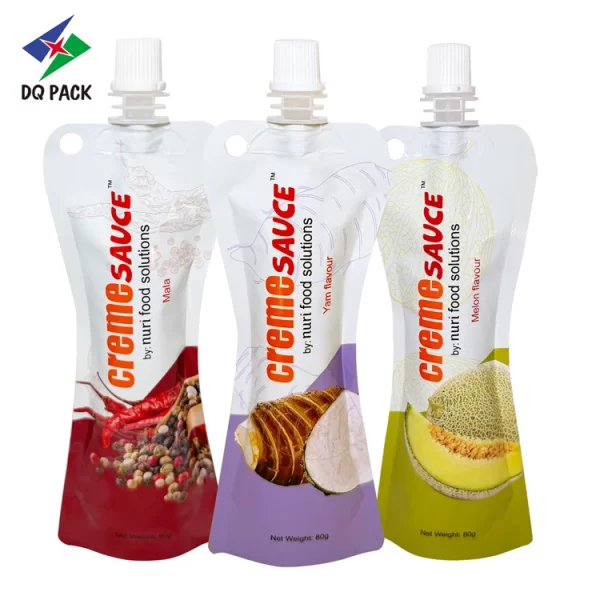
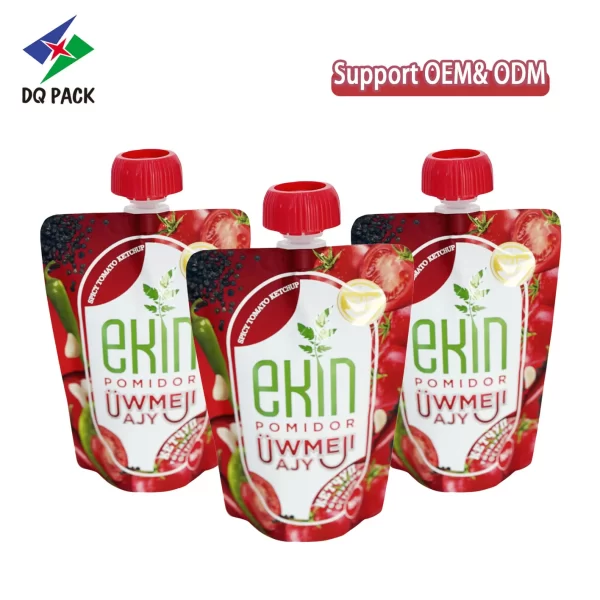
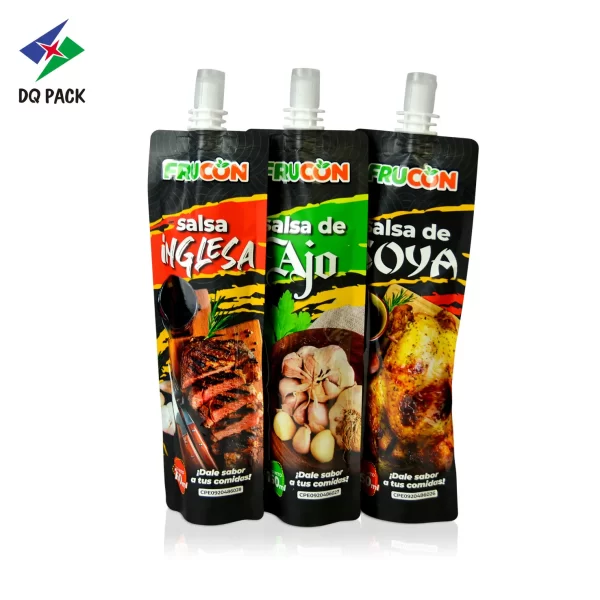
For sauces, coffee grounds, seasoning powders, and other products that are sensitive to oxygen and water vapor, high-barrier structures are usually more reliable.
PET/AL/PE can provide strong barrier properties and is suitable for contents that are sensitive to light, oxygen, and water vapor.
If the product itself is relatively hard or susceptible to impact during packaging, PET/NY/PE can provide better puncture resistance.
Multi-layer films also have a practical advantage.
After using Reverse Printing, the printed pattern is located inside the composite layer and is not easily faded or worn due to transportation or friction.
For brand packaging that requires long-term display, this is more important than simply pursuing “good-looking printing effects”.
Don’t just look at the purchase price; look at the entire packaging cost
When choosing single-layer vs. multi-layer roll film, the true cost goes far beyond material price—it directly impacts product shelf life, transit protection, and line efficiency.
Especially for export products.
The packaging may experience high temperatures, high humidity, and prolonged sea transportation. Materials that perform normally in local testing may not necessarily maintain the same performance after several weeks of transportation.
Therefore, before choosing Sachet Roll Film, a few questions can be confirmed:
- Is the product more afraid of oxygen or water vapor?
- Does it contain oil or easily oxidizable components?
- How long is the shelf life required?
- Should we use VFFS or HFFS packaging equipment?
- Do you need cross-border transportation?
- Is there a requirement for recyclable packaging?
Depending on your answers, the decision between single-layer vs. multi-layer roll film—and its underlying material structure—will be completely different.
The packaging function cannot operate stably and should also be included in the cost
Many purchases only compare prices per kilogram.
But for automated packaging production lines, the real cost also includes scrap rates and downtime.
If a cheap film is prone to deviation or breakage on VFFS or HFFS packaging machines, or if the heat sealing window is too narrow, even if the purchase price is lower, it may increase the overall production cost.
The thickness of the film, friction coefficient, heat sealing performance, and tensile strength may all affect the operation of the equipment.
Especially for high-speed packaging.
Whether a roll of film can run steadily throughout the entire production cycle is sometimes more important than how much cheaper it is per kilogram.
よくある質問
1. What is the main difference between single-layer vs. multi-layer roll film?
The biggest difference lies in barrier performance and product protection. Single-layer films generally provide basic sealing and packaging functions, while multi-layer laminated films combine different materials to improve oxygen, moisture, light, and puncture resistance for longer shelf life.
2. Is single-layer roll film always cheaper?
Usually yes, but not necessarily in terms of total packaging cost. If inadequate barrier properties cause product spoilage, leakage, or machine downtime, the overall production cost may exceed the initial savings.
3. Which products are suitable for multi-layer laminated film?
Coffee, sauces, seasonings, pet food, frozen food, pharmaceuticals, detergents, and products containing oils or sensitive ingredients generally benefit from multi-layer structures because they require higher protection against oxygen and moisture.
4. Is mono-material roll film recyclable?
Yes. Mono-material PE or PP roll films are generally easier to recycle than traditional laminated structures, making them an increasingly popular choice for brands pursuing sustainable packaging solutions.
5. How do I choose the right roll film structure?
When evaluating single-layer vs. multi-layer roll film, consider:
- Product sensitivity to oxygen and moisture
- Required shelf life
- Transportation conditions
- 充填温度
- Packaging equipment (VFFS/HFFS)
- Sustainability goals
- Budget and total packaging cost
Working with an experienced manufacturer can significantly reduce material selection risks.
結論
Choosing between single-layer vs. multi-layer roll film is ultimately about matching the packaging structure to your product—not simply choosing the lowest material cost. Factors such as barrier requirements, shelf life, transportation conditions, packaging speed, machine compatibility, and sustainability goals all influence the ideal solution.
How Does DQ PACK Help Match the Roll Film Structure?
DQパック has been providing customized flexible packaging and printing solutions for global food, beverage, daily chemical, and consumer goods brands. With more than 30 years of manufacturing and export experience, a 30,000㎡ production base, Class 300,000 cleanrooms, 6 automated printing lines, 6 solvent-free laminating lines, 7 advanced slitting machines, 20 bag-making lines, and an ISO9001:2018-certified quality management system, DQパック delivers reliable, high-performance packaging solutions tailored to different products and packaging equipment.
Whether you need economical mono-material roll film, high-barrier laminated structures, or customized packaging optimized for VFFS or HFFS production lines, our engineering team can recommend the most suitable material structure based on your product characteristics and supply chain requirements.
Looking for the right sachet roll film solution?
連絡先 DQパック today to receive a customized packaging material recommendation, sample rolls for production testing, and professional technical support to optimize both packaging performance and total operating costs.