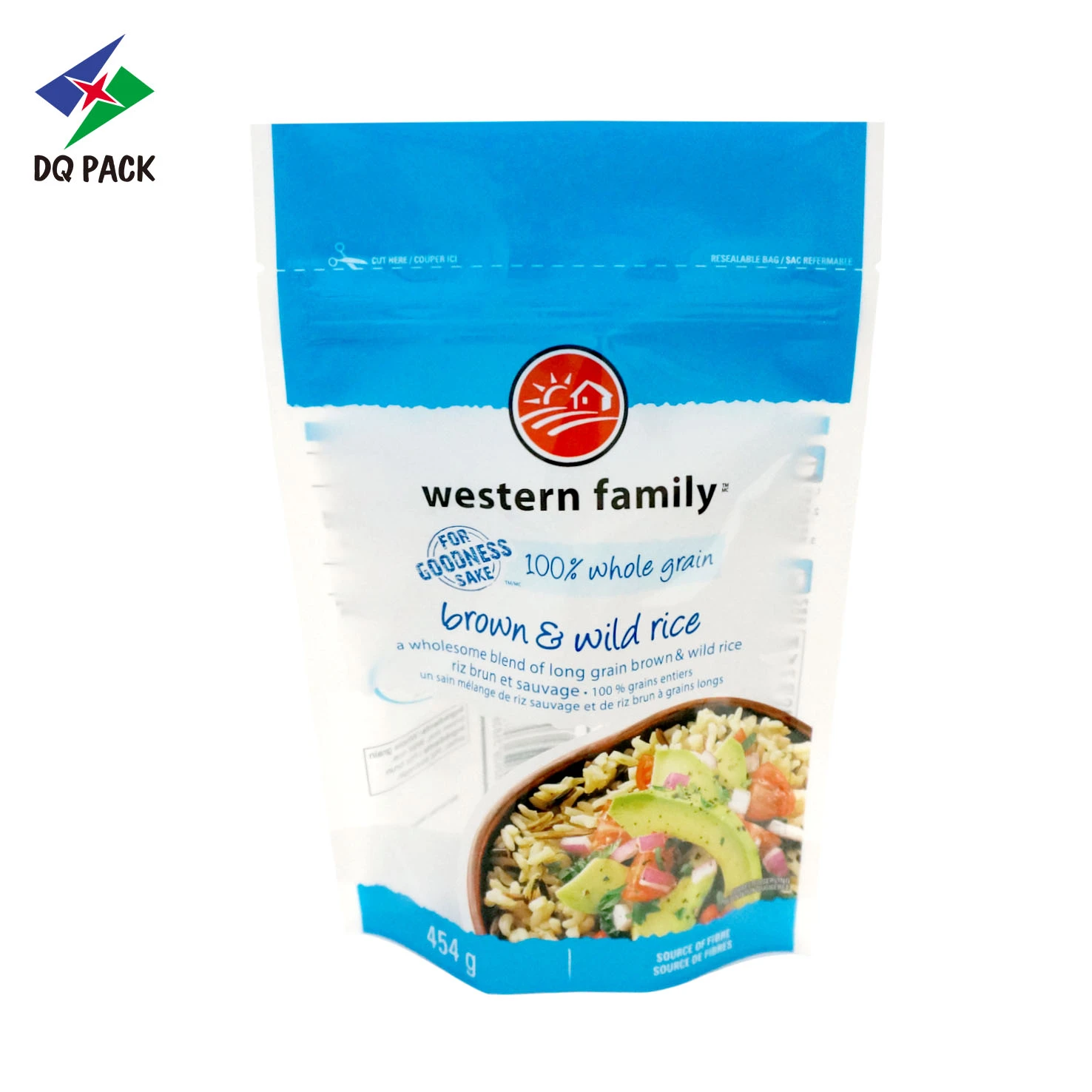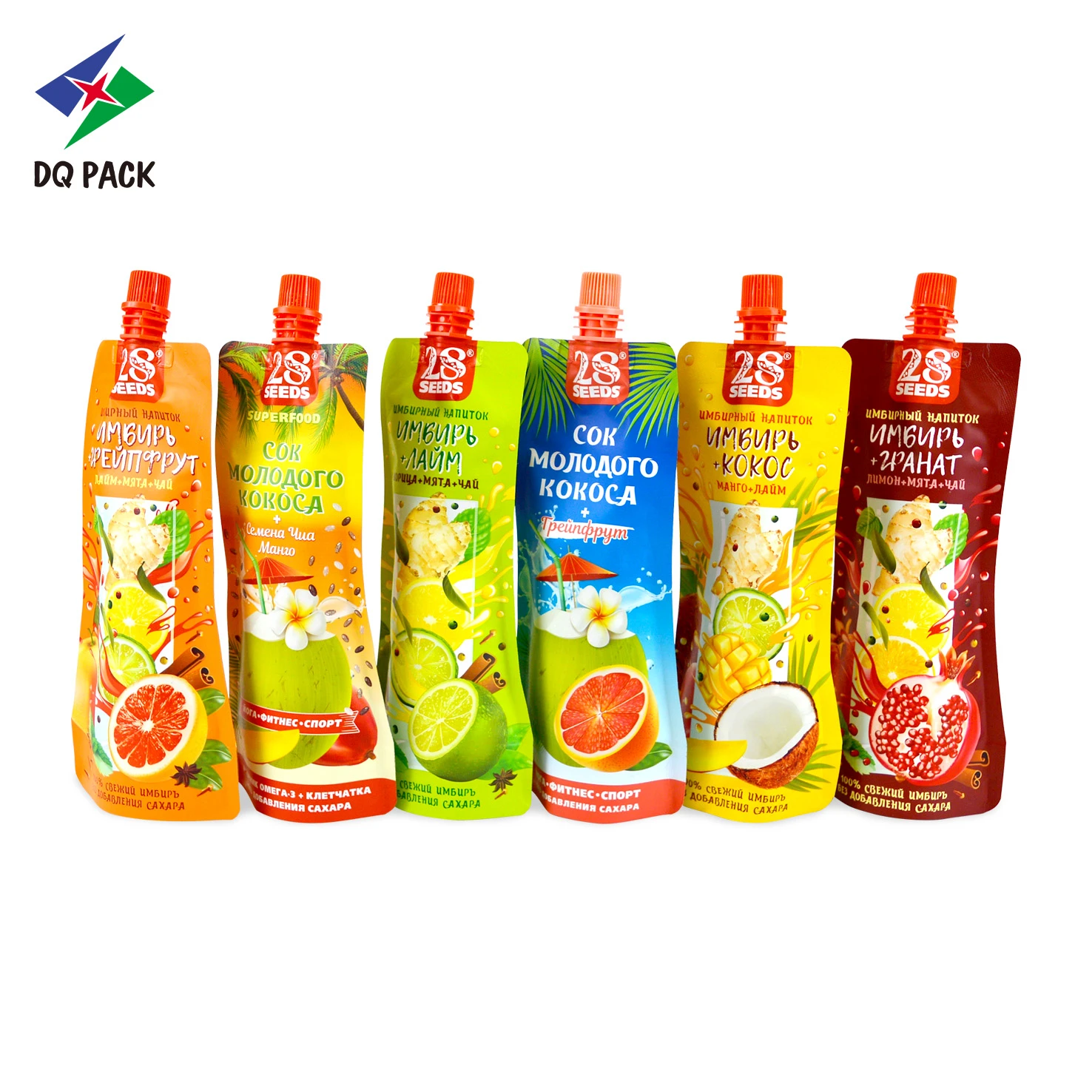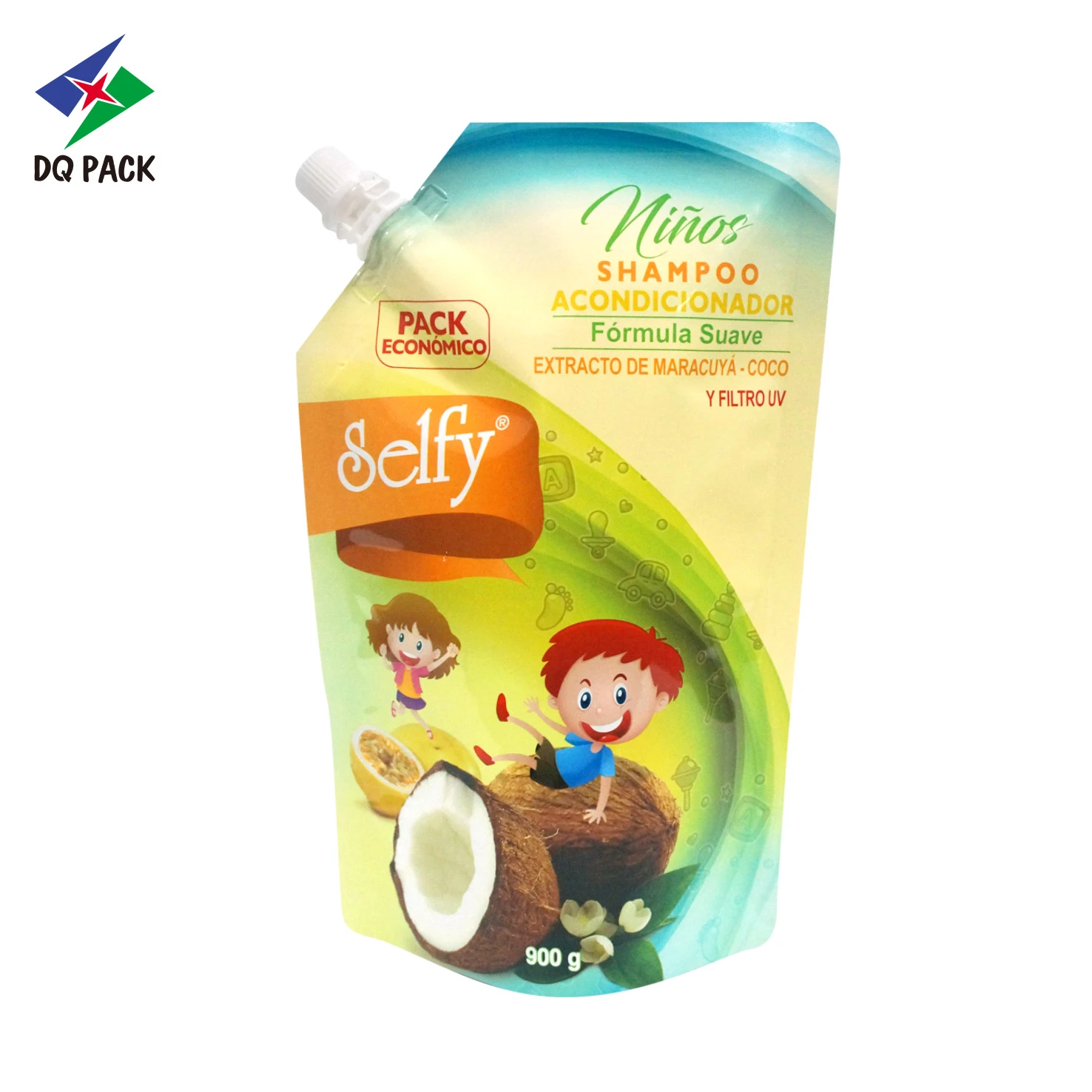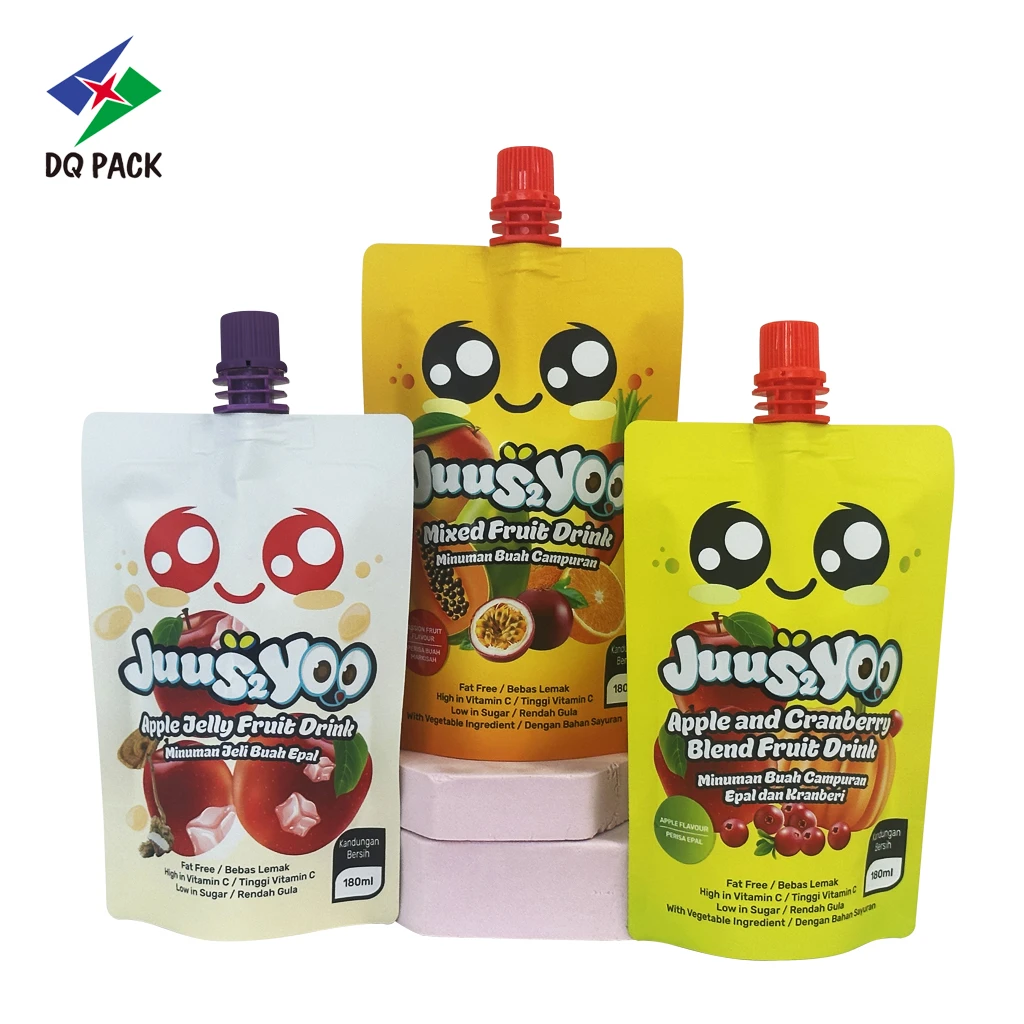


The answer is not a simple yes or no. While some vacuum pouches can be reused under specific conditions, others are designed strictly for single use. Reusability depends on factors such as material construction, product type, food safety requirements, and packaging performance.
For food manufacturers, distributors, and brand owners, understanding the limitations and opportunities of reusable vacuum pouches is essential. Reusing packaging may reduce waste and lower packaging costs, but it can also introduce concerns related to contamination, seal integrity, and shelf life.
DQ PACK explains when vacuum pouches can be reused, when they should not be reused, and how businesses can make informed packaging decisions.
Are Vacuum Pouches Reusable?
The Short Answer
Yes, some vacuum pouches can be reused. However, not every pouch is suitable for repeated use.
The decision depends on:
- Product type
- Food safety requirements
- Material durability
- Cleaning capability
- Seal condition
In commercial food packaging, reuse is often more restricted than in household applications.
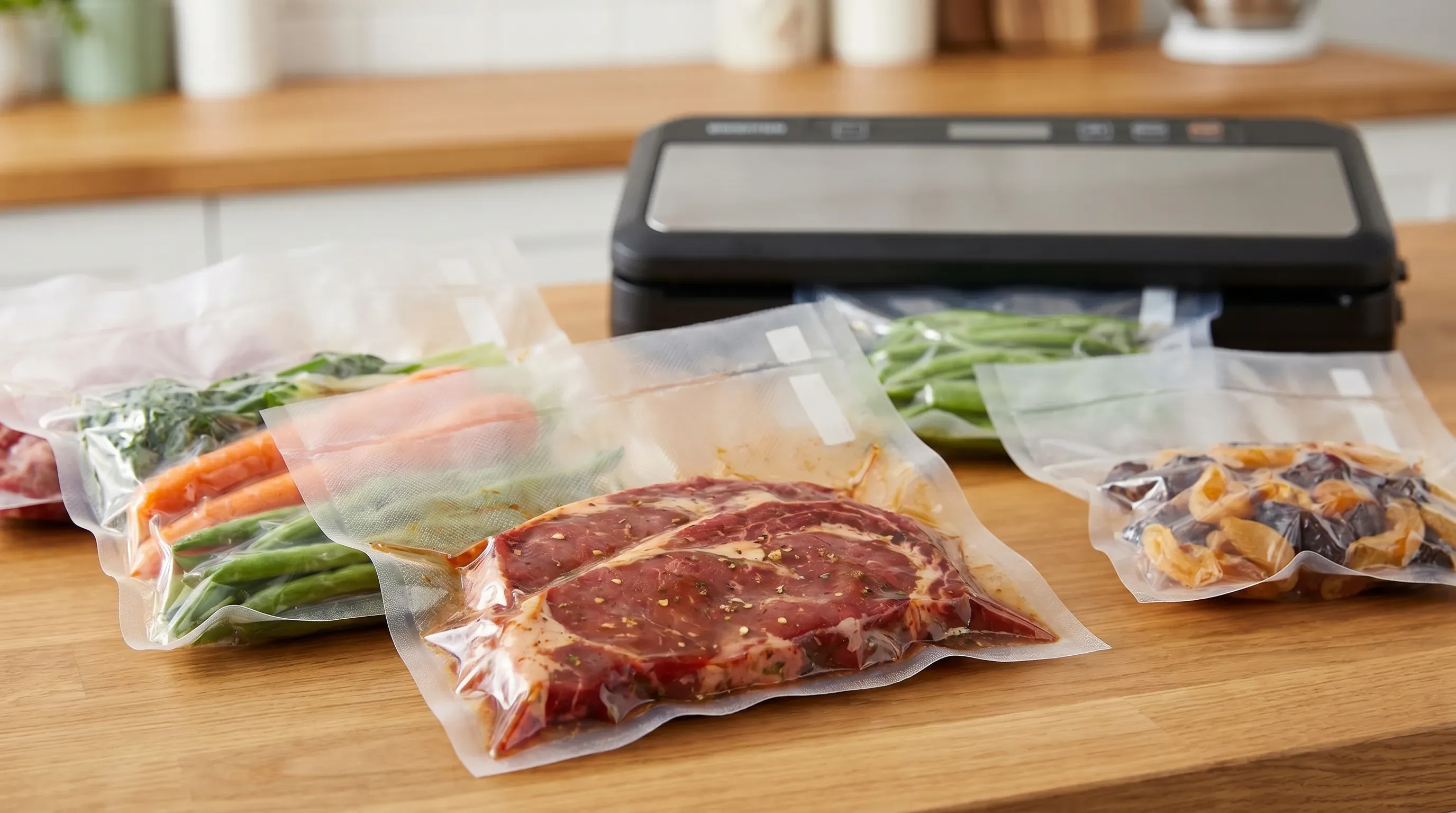
What Determines Reusability?
Several factors influence whether a pouch can be safely reused.
Material Thickness
Thicker films generally withstand repeated handling and resealing better than thinner films.
Seal Area Condition
Repeated heat sealing gradually shortens usable sealing areas and may weaken seal performance.
Product Type
Dry products present lower contamination risks than raw proteins or ready-to-eat foods.
Cleaning Capability
A pouch that cannot be thoroughly cleaned should not be reused.
Consumer Vacuum Bags vs Commercial Vacuum Pouches
Consumer-oriented reusable vacuum bags are often designed with repeated opening and sealing in mind.
Commercial vacuum packaging pouches, however, are frequently optimized for:
- Shelf life
- Product protection
- Production efficiency
As a result, many commercial pouches are intended for single-use applications.
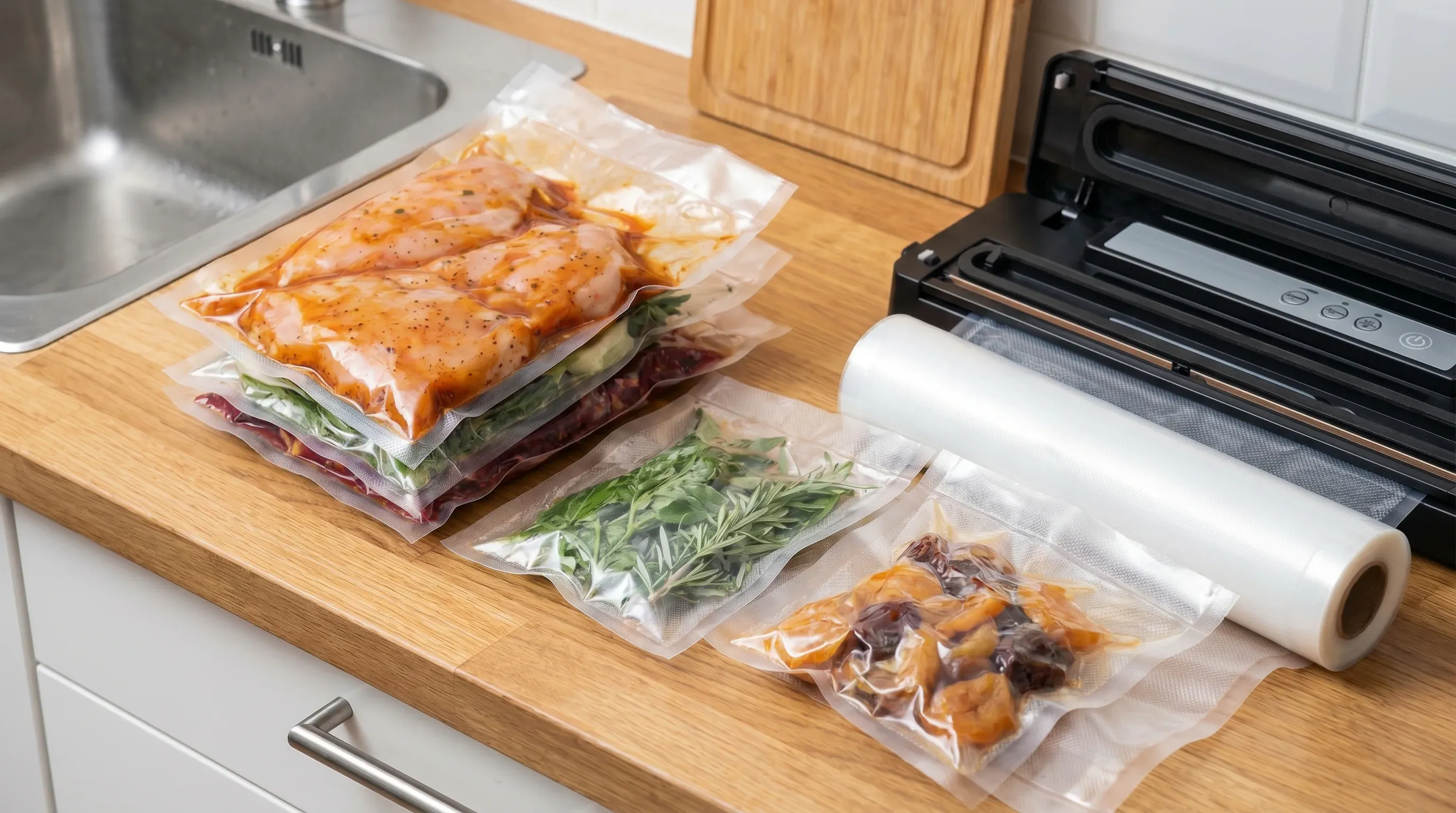
When Is It Safe to Reuse Vacuum Pouches?
Dry Foods and Low-Risk Products
Reuse may be appropriate for certain low-risk products, such as:
- Coffee beans
- Dried fruits
- Rice
- Nuts
- Protein powders
These products typically generate less contamination and are easier to clean from packaging surfaces.
Non-Food Applications
Many industrial applications safely reuse vacuum pouches.
Examples include:
- Electronic components
- Hardware parts
- Medical devices (where regulations permit)
- Industrial supplies
In these cases, food contamination concerns are minimized.
Conditions Required for Safe Reuse
Before reusing any pouch, ensure:
- No punctures are present
- No delamination is visible
- Seal areas remain intact
- The pouch has been properly cleaned
- The material retains its barrier performance
If any of these conditions are compromised, the pouch should be discarded.
When Should Vacuum Pouches Not Be Reused?
Raw Meat and Seafood Packaging
Raw meat and seafood present significant food safety risks.
Even after cleaning, bacteria may remain in:
- Microscopic scratches
- Folded corners
- Seal areas
For this reason, reuse is generally not recommended.
Dairy Products and Ready-to-Eat Foods
Products such as cheese, cooked meats, and prepared meals require strict hygiene standards.
Reusing pouches can increase the risk of:
- Cross-contamination
- Foodborne illness
- Product spoilage
High-Risk Food Applications
Many commercial food processors prohibit pouch reuse because the potential risks outweigh the cost savings.
Industries with strict safety requirements typically prioritize packaging integrity over packaging reuse.
Regulatory and Compliance Considerations
Food manufacturers must comply with relevant food-contact regulations and quality standards.
Depending on the market, reusing food packaging may create compliance challenges involving:
- Traceability
- Hygiene management
- Food safety audits
- Quality assurance procedures
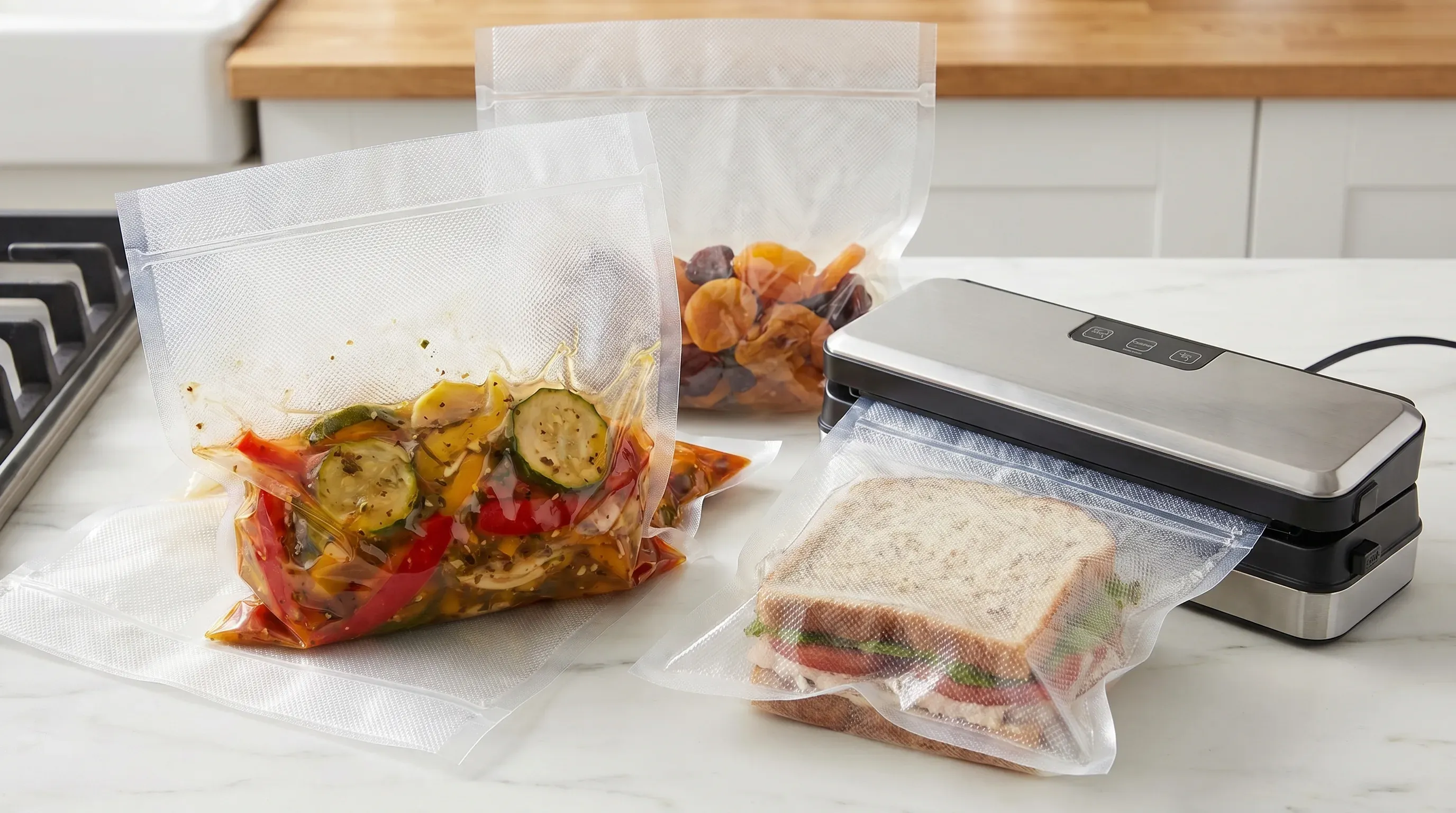
How Reuse Affects Vacuum Packaging Performance
Seal Integrity
One of the biggest concerns with reusing vacuum seal bags is seal quality.
Repeated sealing can:
- Reduce the sealing area width
- Create uneven seals
- Increase leakage risk
Even small seal defects can compromise vacuum retention.
Barrier Properties
The effectiveness of barrier packaging depends on maintaining material integrity.
Repeated use may affect:
- Oxygen barrier performance
- Moisture protection
- Aroma retention
As barrier performance declines, product shelf life may also decrease.
Puncture Resistance
Over time, films experience material fatigue.
Repeated handling can increase susceptibility to:
- Tears
- Pinholes
- Punctures
This is especially important when packaging products with sharp edges.
Vacuum Retention Performance
The primary purpose of vacuum packaging is to maintain a low-oxygen environment.
As pouches age, vacuum retention may decline due to:
- Seal degradation
- Material wear
- Microscopic leaks
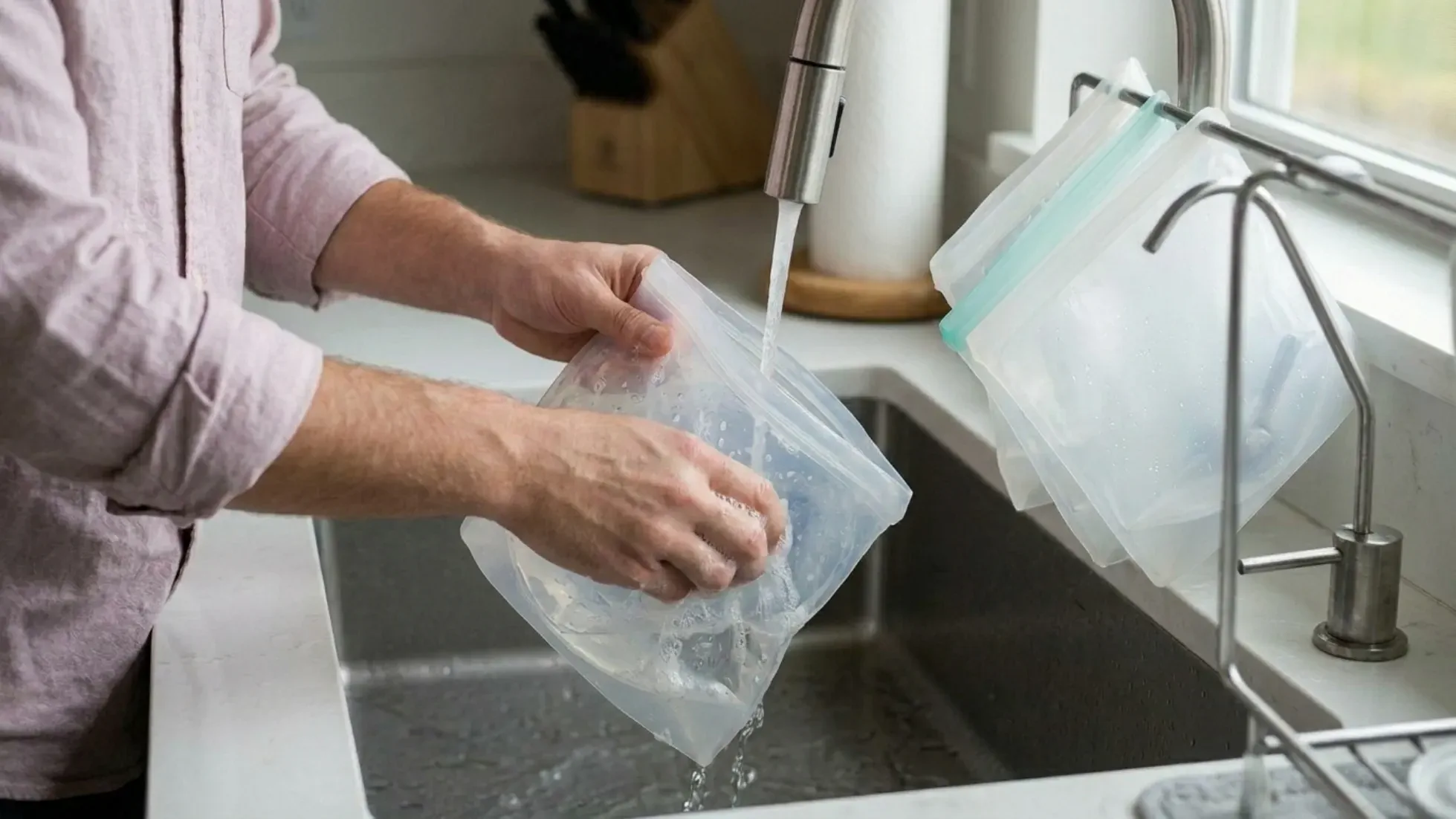
How to Properly Clean Reusable Vacuum Pouches
Cleaning Procedures
For suitable low-risk applications:
- Empty the pouch completely.
- Wash with warm water and food-safe detergent.
- Rinse thoroughly.
- Sanitize when appropriate.
- Allow the pouch to dry completely.
Moisture trapped inside a pouch can promote microbial growth.
Inspection Before Reuse
Carefully inspect for:
- Holes
- Scratches
- Delamination
- Seal damage
- Discoloration
Any damaged pouch should be discarded.
Storage Best Practices
Store clean pouches:
- In a dry environment
- Away from contaminants
- Away from direct sunlight
- Flat and unfolded when possible
Proper storage helps preserve material performance.
Reusable Vacuum Pouches vs Single-Use Vacuum Pouches
Cost Comparison
Reusable pouches may reduce packaging consumption over time.
However, cleaning, inspection, and handling also introduce operational costs.
Food Safety Comparison
Single-use pouches generally offer lower contamination risk because each package starts with a new food-contact surface.
Performance Comparison
New pouches typically provide:
- Better vacuum retention
- Stronger seals
- More consistent barrier properties
Sustainability Comparison
Reuse can reduce packaging waste, but overall sustainability depends on:
- Number of reuse cycles
- Cleaning resources
- End-of-life disposal
Comparison Table
| Feature | Reusable Vacuum Pouches | Single-Use Vacuum Pouches |
|---|---|---|
| Initial Cost | Higher | Lower |
| Long-Term Cost | Potentially Lower | Consistent |
| Food Safety Risk | Moderate | Lower |
| Barrier Performance | Declines Over Time | Consistent |
| Sustainability | Better Potential | Higher Material Consumption |
Sustainability Considerations for Vacuum Packaging
Does Reuse Reduce Packaging Waste?
In many cases, yes.
Extending packaging life can reduce:
- Plastic consumption
- Packaging waste generation
- Resource demand
However, benefits depend on responsible reuse practices.
Environmental Benefits and Limitations
Benefits include:
- Reduced material use
- Lower waste volumes
Limitations include:
- Cleaning requirements
- Transportation impacts
- Material degradation
Recyclable vs Reusable Packaging
These concepts are often confused.
Reusable packaging is designed for multiple uses.
Recyclable packaging is designed to be processed into new materials after disposal.
A pouch may be reusable, recyclable, both, or neither.
Sustainable Packaging Trends
Many food brands are investing in:
- Recyclable mono-material films
- Lightweight packaging
- High-performance barrier materials
- Circular packaging initiatives
Sustainability increasingly influences purchasing decisions throughout the supply chain.
How Businesses Should Evaluate Vacuum Pouch Reusability
Product Risk Assessment
Different products require different packaging strategies.
Questions to consider include:
- Is the product high-risk?
- Is contamination likely?
- What shelf life is required?
Regulatory Requirements
Food-contact regulations may influence reuse policies.
Businesses should verify compliance requirements before implementing reuse programs.
Operational Costs
Savings from reduced packaging purchases may be offset by:
- Cleaning labor
- Inspection costs
- Quality control requirements
A complete cost analysis is essential.
Customer Expectations
Consumers increasingly expect:
- Product safety
- Packaging quality
- Sustainable solutions
Packaging decisions should balance all three priorities.
How to Extend the Service Life of Vacuum Pouches
Choose Higher-Quality Materials
Premium materials generally withstand repeated use better than lower-grade alternatives.
Avoid Overheating During Sealing
Excessive heat can weaken film structures and shorten pouch lifespan.
Prevent Sharp Product Contact
Protect pouches from products with sharp edges whenever possible.
Follow Proper Cleaning and Storage Procedures
Routine cleaning, inspection, and storage practices significantly improve packaging longevity.
Conclusion
So, are vacuum pouches reusable? In some cases, yes—but not universally.
Reuse may be suitable for dry foods, low-risk products, and certain non-food applications. However, raw meats, seafood, dairy products, and other high-risk foods often require single-use packaging to maintain food safety and regulatory compliance.
Businesses should evaluate reuse decisions based on product risk, operational requirements, and packaging performance. While reusability can support sustainability goals, it should never compromise product protection or consumer safety.
Partnering with an experienced vacuum pouch manufacturer ensures access to the right materials, quality control systems, and packaging expertise needed to balance durability, safety, and cost efficiency.
About DQ Pack

DQ PACK is a professional flexible packaging manufacturer with over 30 years of experience serving global brands, wholesalers, distributors, and private-label businesses. As a factory-direct supplier, we offer reliable quality, large-scale production capacity, and competitive pricing.
Our wholesale flexible packaging range includes spout pouches, stand-up pouches, retort pouches, roll stock films, and custom flexible packaging solutions. Backed by advanced manufacturing equipment, strict quality control, and strong OEM/ODM capabilities, we provide customized packaging tailored to different industries and market requirements. DQ PACK is committed to helping B2B customers achieve stable supply, consistent product performance, and long-term business success.
Frequently Asked Questions
Are vacuum pouches reusable?
Some vacuum pouches can be reused if they remain undamaged and are properly cleaned, but many commercial food applications use them only once.
Can vacuum seal bags be reused safely?
They may be reused for low-risk products such as dry foods, provided they are thoroughly cleaned and inspected.
How many times can a vacuum pouch be reused?
There is no universal number. Reuse depends on material quality, seal condition, and product application.
Can vacuum bags used for meat be reused?
Generally, reuse is not recommended for raw meat packaging due to contamination risks.
How do you clean reusable vacuum bags?
Wash with warm water and food-safe detergent, rinse thoroughly, sanitize when necessary, and dry completely before reuse.
Does reusing vacuum pouches affect food safety?
Yes. Improper cleaning or damaged packaging can increase contamination risks and reduce product protection.
Are reusable vacuum pouches environmentally friendly?
They can reduce packaging waste when used appropriately, but sustainability depends on cleaning practices and overall lifecycle impact.
How do I choose the right vacuum pouch supplier?
Look for expertise in food-contact materials, quality control systems, custom manufacturing capabilities, and global supply experience.