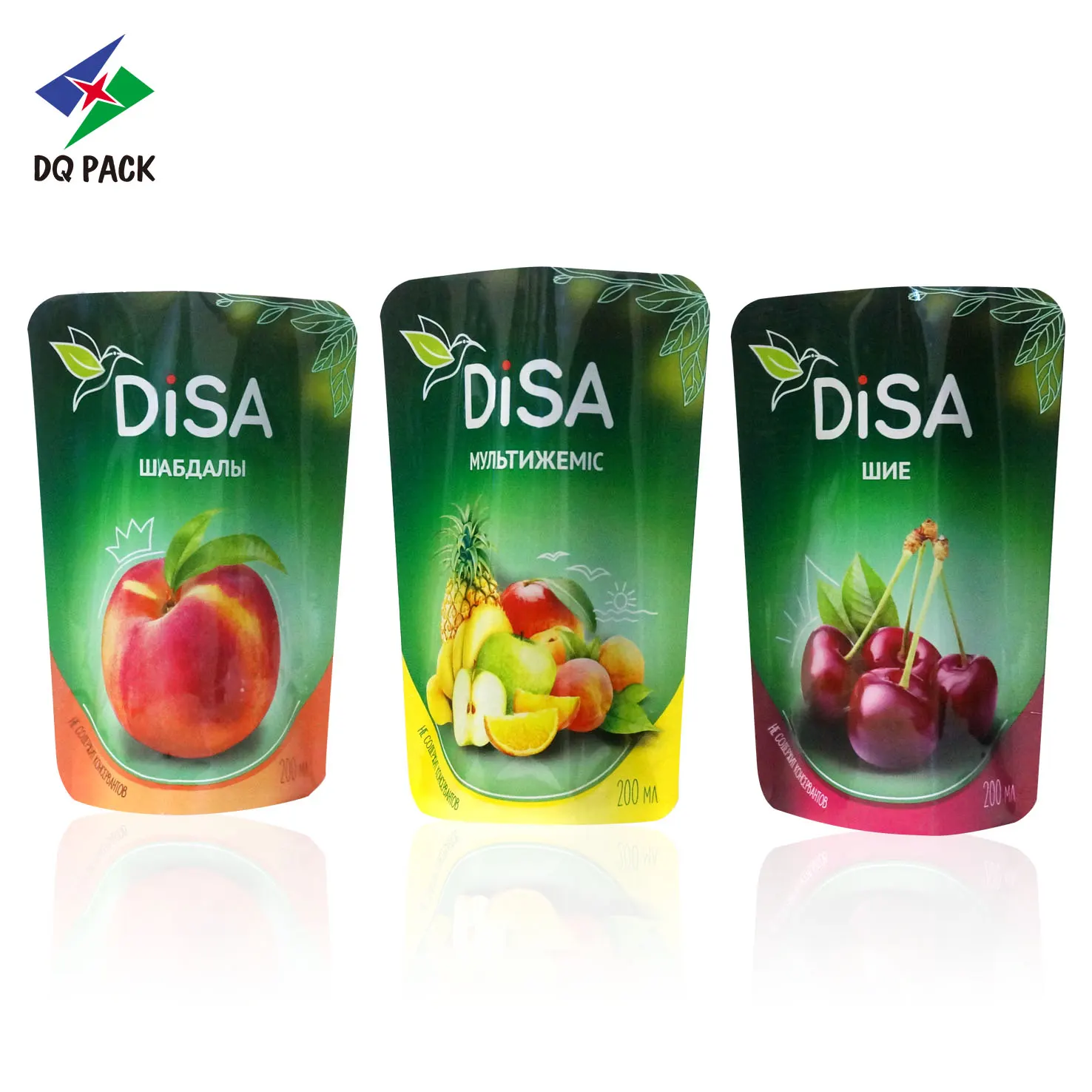
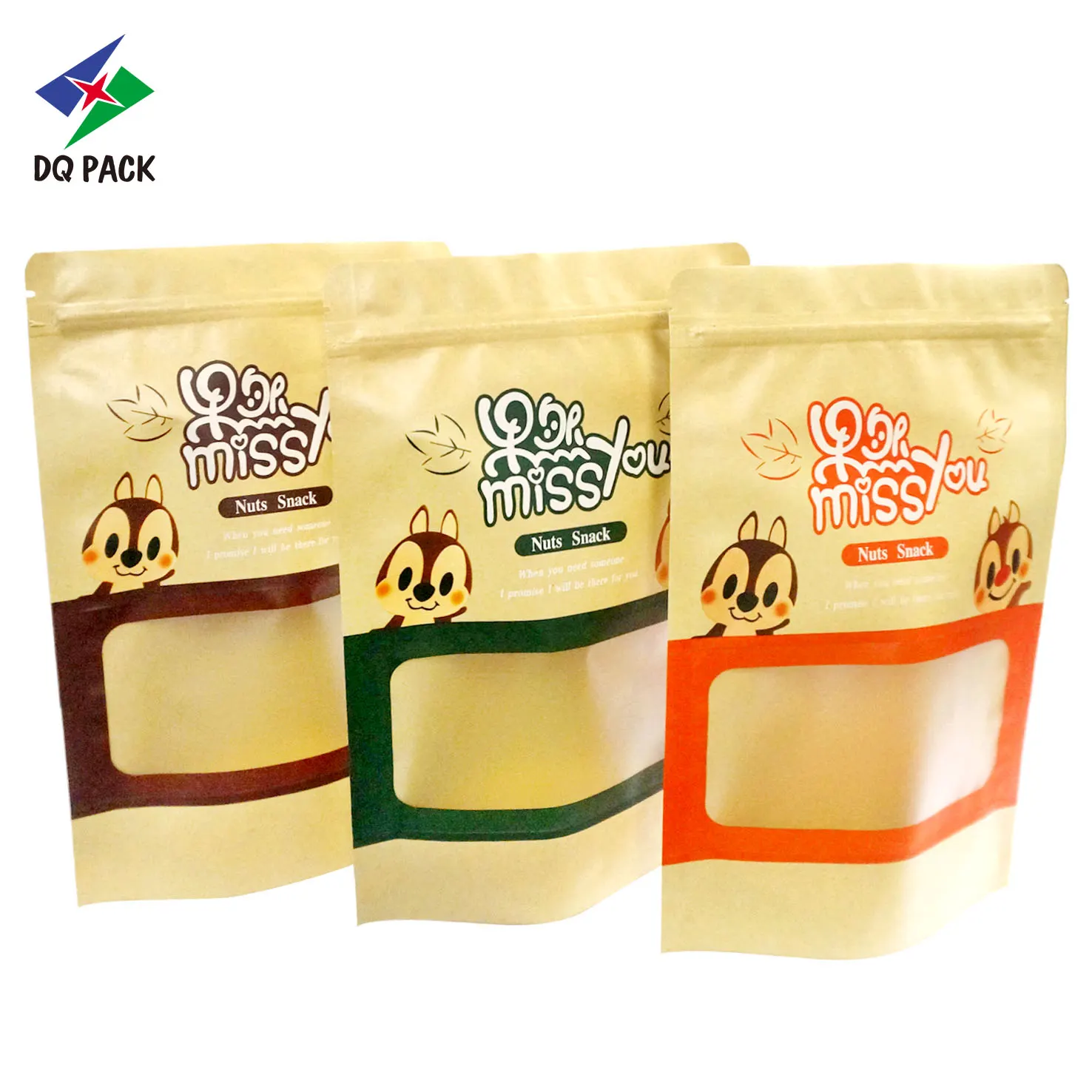
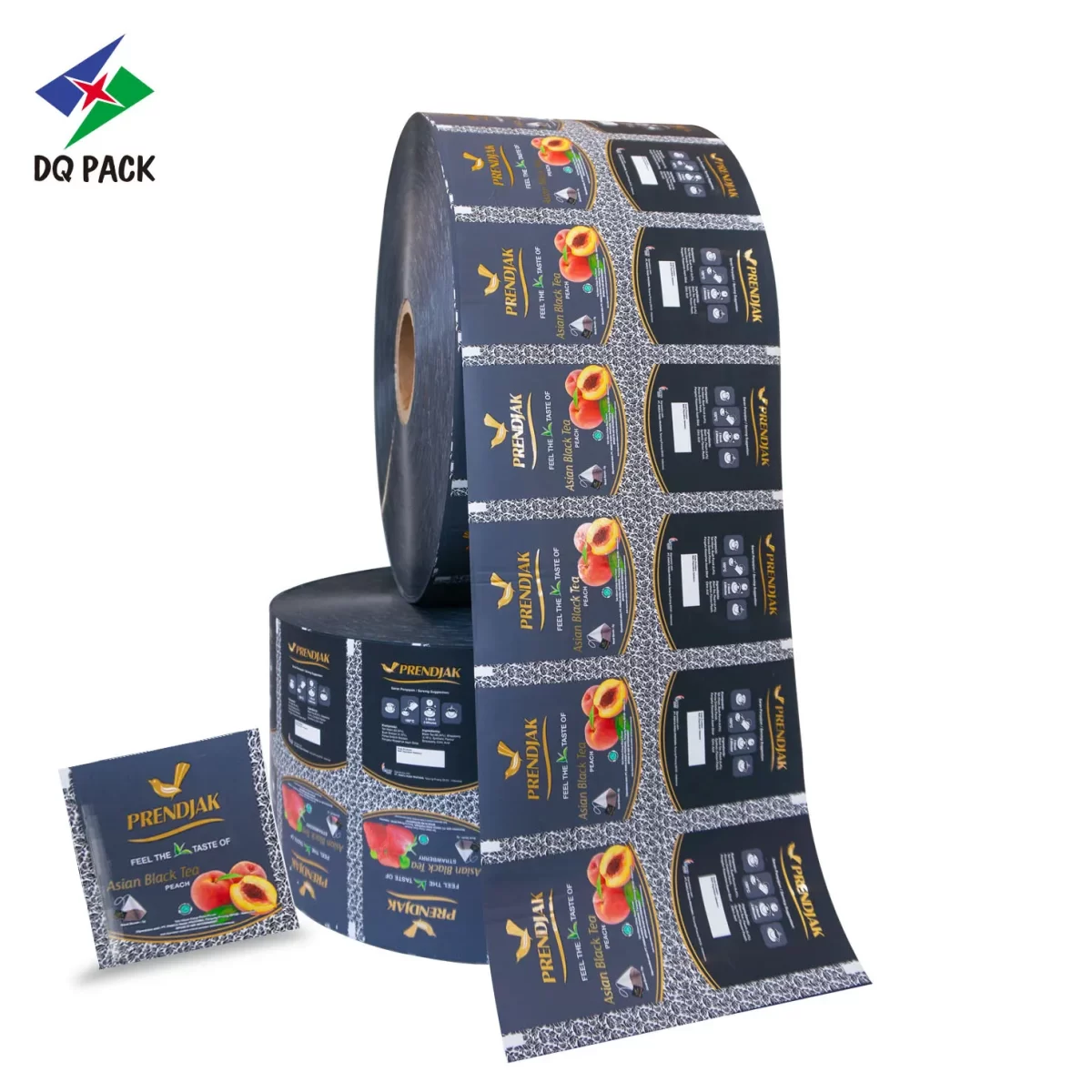
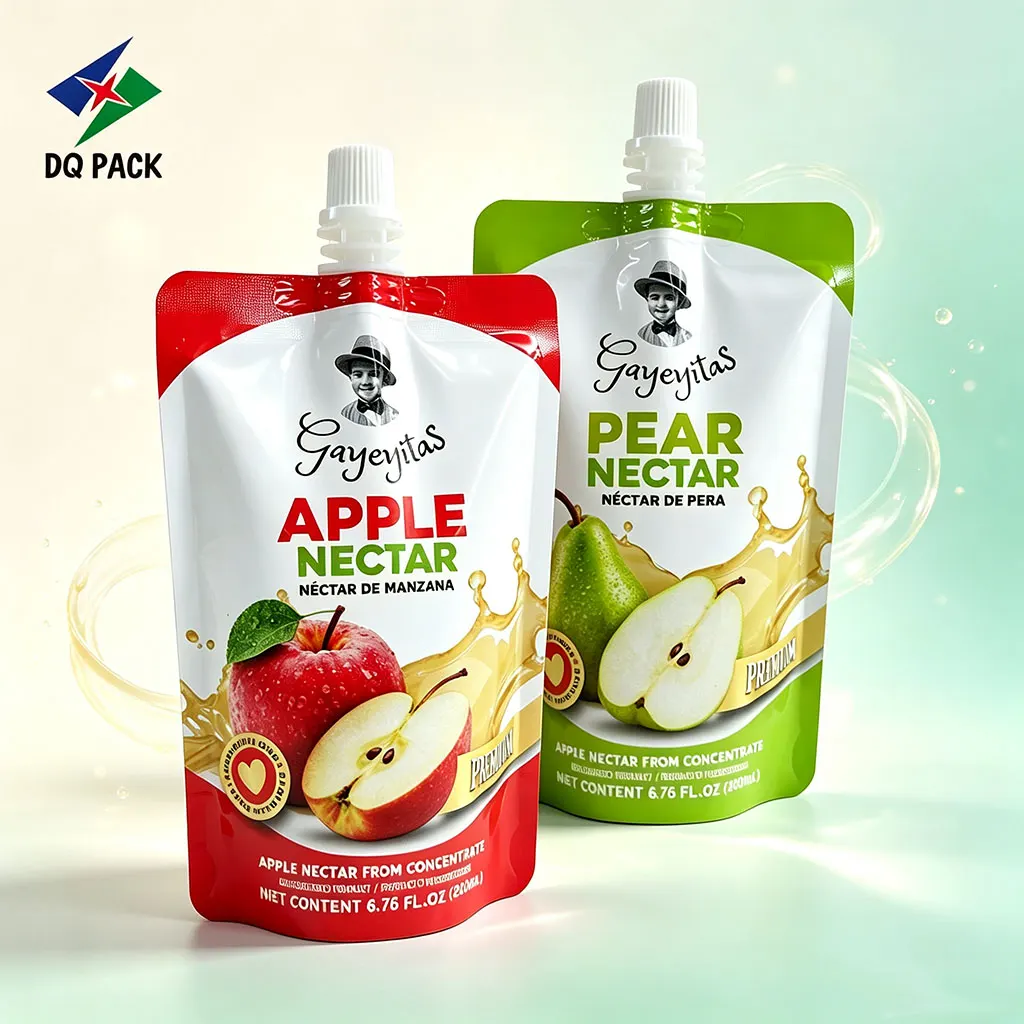
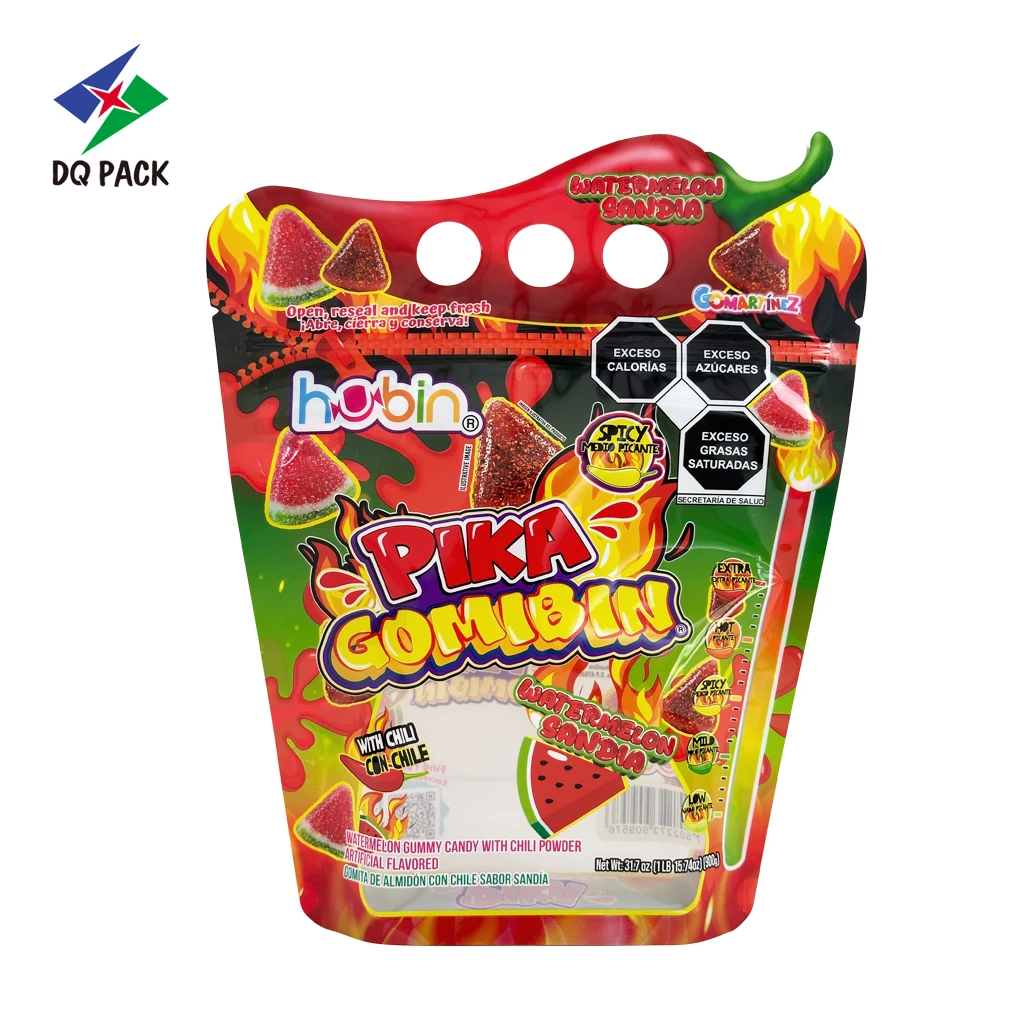
Il est essentiel de choisir la structure composite adaptée pour les emballages alimentaires pour garantir la qualité des produits, prolonger leur durée de conservation et optimiser les coûts. Les exigences en matière de performances des barrières, les procédés de remplissage et les conditions de stockage variant d'un produit à l'autre, il n'existe pas de solution universelle. PACK DQ est une entreprise de premier plan dans le secteur de l'emballage souple, forte de plus de 30 ans d'expérience dans la fabrication et dotée de lignes de production automatisées de pointe. Dans ce guide, nous allons vous expliquer Comment choisir la structure composite la plus adaptée pour les emballages alimentaires ?, comparer les associations de matériaux courantes et partager des conseils pratiques d'achat provenant de un fabricant expérimenté d'emballages souples.
Pourquoi choisir le bon Structure des laminés destinés à l'emballage alimentaire Sujets
Pour de nombreuses entreprises agroalimentaires, les choix en matière d'emballage se concentrent souvent sur l'aspect, la qualité d'impression ou le coût. Bien que ces facteurs soient importants, les véritables performances d'un emballage dépendent de son structure des laminés destinés à l'emballage alimentaire.
Une structure stratifiée ne se résume pas à une simple combinaison de plusieurs films. Chaque couche remplit une fonction spécifique, et c'est leur combinaison qui détermine l'efficacité avec laquelle l'emballage protège les aliments tout au long des étapes de production, de transport, de stockage et de présentation en magasin.
Le choix d'une structure inadaptée peut entraîner de graves problèmes, notamment :
Absorption de l'humidité
Pénétration de l'oxygène
Perte d'arôme
Migration du pétrole
Fuite d'un emballage
Durée de conservation réduite
Taux de retour des produits plus élevés
Par exemple, un film laminé standard peut convenir aux en-cas secs dont le cycle de vente est court, tandis que des produits tels que le café torréfié, les fruits à coque, les aliments lyophilisés et les aliments pour animaux de compagnie nécessitent des structures laminées à haute barrière afin de préserver leur fraîcheur pendant une période bien plus longue.
Plutôt que de choisir les ingrédients les plus chers, les fabricants agroalimentaires qui réussissent privilégient choisir leà droitestructure des laminés destinés à l'emballage alimentaire en fonction des caractéristiques du produit, des méthodes de transformation, des canaux de distribution et du budget.
Qu'est-ce qu'un Structure des laminés destinés à l'emballage alimentaire?
A structure des laminés destinés à l'emballage alimentaire Il s'agit d'un système d'emballage souple multicouche obtenu en assemblant deux films ou plus. Chaque matériau apporte une propriété unique, ce qui permet à l'emballage fini d'offrir de meilleures performances qu'un film monocouche.
En fonction des exigences du produit, une structure stratifiée peut offrir :
Résistance à l'humidité
Barrière à l'oxygène
Protection contre la lumière
Rétention des arômes
Performances de thermoscellage
Résistance à la perforation
Résistance mécanique
Imprimabilité
Résistance aux produits chimiques
C'est grâce à cette combinaison de propriétés que les films d'emballage laminés sont largement utilisés dans des secteurs tels que :
Snacks
Café et thé
Produits surgelés
Plats prêts à consommer
Confiserie
Aliments pour animaux
Produits laitiers
Aliments en poudre
Choisir la structure de laminé adaptée aux emballages alimentaires garantit que l'emballage protège non seulement le produit, mais favorise également une production efficace et améliore l'expérience du consommateur.
Comprendre les trois couches fonctionnelles d'une structure stratifiée
L'une des idées reçues les plus répandues chez les acheteurs d'emballages est de croire que tous les films laminés remplissent la même fonction. En réalité, chaque structure de film laminé destiné à l'emballage alimentaire se compose de plusieurs couches fonctionnelles, chacune étant conçue pour un usage spécifique.
1. Couche d'impression
La couche extérieure confère à l'emballage son attrait visuel et protège les illustrations imprimées pendant le transport et la manutention.
Parmi les matériaux couramment utilisés, on trouve :
PET
BOPP
Ces matériaux offrent une excellente imprimabilité, une bonne résistance aux rayures et une bonne stabilité dimensionnelle.
2. Couche barrière
La couche barrière a pour rôle de protéger les aliments contre les facteurs environnementaux extérieurs.
Selon le produit, celui-ci peut empêcher :
Transmission de l'oxygène
Pénétration d'humidité
Exposition à la lumière
Perte d'arôme
Parmi les matériaux de barrière courants, on peut citer :
Papier d'aluminium (AL)
PET métallisé (VMPET)
Films spéciaux à haute barrière
Pour les produits devant présenter une longue durée de conservation, la couche barrière détermine souvent les performances globales de la structure laminée de l'emballage alimentaire.
3. Couche d'étanchéité
La couche la plus interne est en contact direct avec les aliments et assure une soudure thermique fiable.
Parmi les matériaux d'étanchéité courants, on trouve :
Éducation physique
CPP
CPP de qualité « retort »
PE de qualité « retort »
La couche d'étanchéité influe sur :
Résistance du joint
Rendement de remplissage
Étanchéité
Sécurité des produits
Pour les applications impliquant une stérilisation à haute température ou un stockage à basse température, le choix d'une couche d'étanchéité adaptée est essentiel pour préserver l'intégrité de l'emballage.
Comment les différents matériaux composites s'associent entre eux
De nombreux acheteurs pensent à tort qu'un emballage plus épais offre automatiquement une meilleure protection. En réalité, les performances d'un emballage dépendent de la manière dont chaque matériau interagit au sein de la structure laminée de l'emballage alimentaire, et non pas simplement de son épaisseur totale.
PET – Impression robuste et support structurel
Le PET est largement utilisé comme couche extérieure car il présente les avantages suivants :
Excellente qualité d'impression
Haute résistance à la traction
Bonne résistance à la chaleur
Dimensions stables tout au long de la production
Le PET protège également les visuels imprimés contre les rayures pendant le transport et la manutention en magasin.
BOPP – Une protection de surface économique
Le BOPP est couramment utilisé pour les snacks, car il offre les avantages suivants :
Haute transparence
Brillance séduisante
Bonne résistance à l'humidité
Excellente usinabilité
Il est souvent choisi pour les produits où l'aspect esthétique et l'efficacité de production revêtent une importance égale.
VMPET – Performances équilibrées en matière de barrière
Le PET métallisé (VMPET) offre des performances de barrière nettement supérieures à celles des films plastiques classiques, tout en restant plus économique que la feuille d'aluminium.
Parmi ses avantages, on peut citer :
Bonne barrière à l'oxygène
Excellente protection contre l'humidité
Meilleure conservation des arômes
Coût des matériaux réduit
Pour de nombreuses applications liées aux aliments secs, le VMPET offre un excellent rapport performances/coût.
Papier d'aluminium – Protection barrière maximale
Lorsque les produits doivent bénéficier d'une durée de conservation prolongée ou d'une protection contre la lumière, la feuille d'aluminium reste l'un des matériaux barrière les plus efficaces.
Parmi les applications courantes, on peut citer :
Café haut de gamme
Aliments lyophilisés
Poudres nutritionnelles
Emballages pharmaceutiques
Aliments haut de gamme pour animaux de compagnie
Bien que la feuille d'aluminium offre des propriétés barrières exceptionnelles, elle augmente également le coût des matériaux et réduit la transparence de l'emballage. Elle ne doit donc être choisie que lorsque ses avantages en termes de performances sont indispensables.
PE et CPP – Couches de thermoscellage fiables
Le PE et le CPP sont les couches d'étanchéité qui entrent en contact direct avec les aliments.
Leurs principales fonctions sont les suivantes :
Scellage à chaud résistant
Prévention des fuites
Sécurité alimentaire
Performances des emballages souples
Pour les applications en autoclave, le CPP est souvent privilégié en raison de sa résistance thermique supérieure lors de la stérilisation.
Comment choisir le bon Structure des laminés destinés à l'emballage alimentaire pour différents produits alimentaires
Pour choisir la structure de laminé adaptée à l'emballage alimentaire, il faut tout d'abord bien comprendre les caractéristiques du produit à emballer. Chaque aliment présente une sensibilité différente à l'oxygène, à l'humidité, à la graisse, à la lumière, à la température et aux chocs mécaniques. L'utilisation d'une structure de laminé inadaptée peut réduire la durée de conservation, nuire à la qualité du produit et augmenter le risque de réclamations de la part des clients.
Au lieu de choisir les matériaux en se basant uniquement sur leur prix, les acheteurs professionnels évaluent les exigences en matière de conservation du produit, le processus de remplissage, les conditions de transport et la durée de conservation prévue avant de choisir la structure d'un laminé destiné à l'emballage alimentaire.
Structure recommandée pour les laminés destinés à l'emballage alimentaire selon les différentes catégories de produits. Le tableau ci-dessous présente des recommandations générales pour les applications alimentaires courantes.
Produit alimentaire
Structure stratifiée recommandée
Exigence principale en matière de protection
Chips
BOPP/VMPET/PE
Barrière contre l'humidité et conservation des arômes
Grains de café
PET/AL/PE
Barrière contre l'oxygène, l'humidité et la lumière
Café moulu
PET/VMPET/PE
Préservation de la fraîcheur et protection des arômes
Aliments surgelés
PET/PE
Résistance aux basses températures et intégrité du joint
Aliments en autoclave
PET/AL/CPP
Résistance à la stérilisation à haute température
Aliments pour animaux
PET/AL/PE
Haute barrière et résistance à la perforation
Lait en poudre
PET/AL/PE
Protection contre l'humidité et l'oxygène
Noix et fruits secs
PET/VMPET/PE
Prévention de l'oxydation et conservation de la fraîcheur
Sauces et condiments
PET/NY/PE
Résistance à la perforation et prévention des fuites
Important : Ces structures constituent des solutions couramment utilisées dans l'industrie. La structure optimale d'un laminé destiné à l'emballage alimentaire doit toujours être déterminée en fonction de la composition de votre produit, de la méthode de remplissage, de la durée de conservation visée et des conditions de transport.
Coût et performances : choisir la solution la plus efficace Structure des laminés destinés à l'emballage alimentaire
De nombreuses entreprises pensent que le choix d'un matériau offrant la meilleure barrière garantira toujours les meilleurs résultats. Cependant, un emballage trop sophistiqué peut augmenter inutilement les coûts de production sans apporter de valeur ajoutée significative.
L'objectif est de déterminer la structure de laminé d'emballage alimentaire la plus efficace, qui allie à la fois la protection du produit, l'efficacité de la production et le coût global.
Structure stratifiée
Performances de la barrière
Coût relatif
Applications typiques
PET/PE
Moyen
Faible
Produits surgelés, produits de boulangerie
BOPP/PE
Moyen
Faible
Snacks, biscuits, confiseries
PET/VMPET/PE
Haut
Moyen
Café, fruits à coque, fruits secs
PET/AL/PE
Très élevé
Haut
Café haut de gamme, lait en poudre, aliments pour animaux de compagnie
PET/AL/CPP
Très élevé
Haut
Sachets sous vide et plats préparés
Un fournisseur professionnel de solutions d'emballage peut vous conseiller la structure la plus adaptée en tenant compte des caractéristiques de votre produit, plutôt que de se contenter de vous proposer l'option la plus chère.
Facteurs clés de fabrication influençant les performances des stratifiés
Les fabricants professionnels d'emballages souples surveillent généralement plusieurs paramètres de production afin de garantir une qualité constante.
1. Qualité des matières premières
Des matières premières de haute qualité constituent la base d'un emballage performant et fiable.
Les fabricants professionnels évaluent minutieusement :
Homogénéité de l'épaisseur du film
Qualité du traitement de surface
Performance de la barrière
Résistance à la chaleur
Résistance mécanique
Des matières premières stables permettent de réduire les variations de production et d'améliorer la fiabilité du produit fini.
2. Contrôle du processus de laminage
Le procédé de laminage a une incidence directe sur la durabilité d'une structure laminée destinée à l'emballage alimentaire.
Une plastification de mauvaise qualité peut entraîner :
Délaminage
Formation de bulles
Performances de barrière réduites
Défaillance du joint
Durée de conservation réduite
Des équipements de production de pointe et un contrôle précis des processus permettent d'assurer une forte adhérence entre chaque couche de film.
3. Choix de l'adhésif
L'adhésif est l'un des composants les plus négligés dans les emballages laminés.
Le choix d'un système adhésif adapté permet d'améliorer :
Résistance d'adhérence
Résistance à la chaleur
Résistance aux produits chimiques
Stabilité à long terme des conditionnements
Différentes applications — notamment les aliments surgelés, les emballages stérilisés et les emballages sous vide — nécessitent souvent des formulations adhésives différentes.
4. Contrôle qualité
Les fabricants fiables mettent en œuvre des procédures d'inspection exhaustives tout au long du processus de production.
Les contrôles qualité habituels comprennent notamment :
Essais de résistance de l'adhérence des stratifiés
Essais de performance de thermoscellage
Évaluation des performances des barrières
Inspection visuelle
Mesure de l'épaisseur
Contrôle de la qualité d'impression
Ces contrôles permettent de s'assurer que chaque structure stratifiée destinée à l'emballage alimentairee répond aux spécifications du client avant l'expédition.
Tendances émergentes dans le domaine de Structure des laminés destinés à l'emballage alimentaire
À mesure que les technologies d'emballage alimentaire continuent d'évoluer, les fabricants et les marques se tournent vers des solutions qui améliorent à la fois la protection des produits et l'efficacité opérationnelle.
Plusieurs tendances façonnent l'avenir du secteur des structures laminées destinées à l'emballage alimentaire.
1. Solutions d'emballage à haute barrière
La demande en produits à durée de conservation prolongée ne cesse de croître dans les secteurs du café, des aliments pour animaux de compagnie, des plats préparés et des snacks haut de gamme.
Les structures laminées à haute barrière permettent de préserver la fraîcheur des produits tout en réduisant le gaspillage alimentaire.
2. Développement d'emballages durables
De plus en plus de marques recherchent des solutions d'emballage qui concilient la protection des produits et le respect de l'environnement.
Les fabricants investissent dans :
Réduction des matériaux
Structures recyclables
Recherche sur les emballages mono-matériaux
Solutions d'emballage légères
Le défi consiste à garantir la durabilité sans compromettre la sécurité des produits ni les performances de barrière.
3. Une optimisation plus intelligente des coûts
Plutôt que d'opter pour les matériaux les plus chers, les acheteurs recherchent de plus en plus la structure de laminé d'emballage alimentaire offrant le meilleur rapport qualité-prix pour chaque catégorie de produits.
Cette approche permet d'améliorer la rentabilité tout en préservant la qualité des produits.
4. Solutions d'emballage sur mesure
Le marché des emballages OEM et des marques de distributeur continue de se développer à l'échelle mondiale.
Les marques alimentaires exigent de plus en plus :
Structures stratifiées sur mesure
Impression personnalisée
Finitions haut de gamme
Modèles de pochettes originaux
Emballage prêt à la vente
Fabricants d'emballages souples capables de proposer des solutions sur mesure deviennent des partenaires précieux à long terme.
Comment choisir un fournisseur fiable d'emballages souples
Le choix du bon fournisseur est tout aussi important que celui de la bonne structure stratifiée.
La liste de contrôle suivante peut aider les acheteurs à évaluer des partenaires industriels potentiels.
Liste de contrôle pour l'évaluation des fournisseurs
Critère d'évaluation
Pourquoi est-ce important ?
Expérience dans le secteur industriel
Témoigne d'une expertise technique et d'une stabilité de production
Capacités OEM et ODM
Propose des solutions d'emballage sur mesure
Système de gestion de la qualité
Garantit une qualité constante des produits
Capacité de production
Répond aux besoins d'approvisionnement à long terme
Expertise en matière de choix des matériaux
Contribue à optimiser les performances et les coûts liés à l'emballage
Assistance technique
Fournit des conseils professionnels pour différentes applications alimentaires
Capacités d'essais sur les emballages
Vérifie les performances en matière d'étanchéité, de barrière et de durabilité
Expérience à l'exportation à l'international
Garantit la conformité aux exigences des marchés mondiaux
Conclusion
Le choix d'une structure de laminé adaptée aux emballages alimentaires ne se résume pas à la simple combinaison de différents films d'emballage. Il s'agit d'une décision stratégique qui influe directement sur la qualité du produit, sa durée de conservation, la sécurité du transport, l'efficacité de la production et la réputation globale de la marque.
Tout au long de ce guide, nous avons examiné comment différents matériaux de laminage — notamment le PET, le BOPP, le PE, le CPP, le VMPET et la feuille d'aluminium — agissent en synergie pour offrir les performances de barrière requises. Chaque produit alimentaire présentant des besoins spécifiques, la structure de laminage la plus efficace dépend de facteurs tels que les caractéristiques du produit, les procédés de conditionnement, les conditions de stockage et les objectifs commerciaux.
Pour les fabricants agroalimentaires, les grossistes, les distributeurs et les marques de distributeur, faire appel à un partenaire expérimenté dans le domaine de l'emballage constitue le moyen le plus efficace de concilier performance et coût. Depuis plus de 30 ans, PACK DQ a aidé des clients du monde entier à développer des emballages souples fiables et hautement performants, adaptés aux exigences de leurs marchés. Nous proposons des services OEM et ODM complets, notamment :
Conception et optimisation de structures en stratifié sur mesure – Des solutions de barrières sur mesure pour prolonger la durée de conservation et optimiser la rentabilité.
Formats d'emballage variés – Sachets à fond plat, sachets à fond plat, sachets à bec verseur, sachets sous vide, sachets pour autoclave et films en rouleaux pour machines automatisées.
Impression avancée et choix des matériaux – High-barrier materials and custom branding that elevate product competitiveness.
Global Export Expertise – End-to-end support for seamless international logistics and compliance.
Investing in the right food packaging laminate structure today protects your product quality, strengthens consumer trust, and drives future business growth. Contact PACK DQtoday to discuss your packaging requirements and receive a customized solution.
FAQ
Q1:What is a structure des laminés destinés à l'emballage alimentaire?
A food packaging laminate structure is a combination of two or more packaging films laminated together to provide specific functions such as printing, moisture protection, oxygen barrier, heat sealing, and puncture resistance.
Q2:Why is the right laminate structure important?
The right structure helps extend shelf life, protect food quality, reduce spoilage, improve transportation safety, and enhance product presentation.
Q3:Which laminate structure is best for coffee packaging?
Coffee typically requires high-barrier structures such as PET/AL/PE or PET/VMPET/PE to preserve aroma and protect against oxygen and moisture.
Q4: Is aluminum foil always the best barrier material?
Not necessarily. While aluminum foil provides excellent barrier performance, many products can achieve the required protection using metallized films such as VMPET at a lower cost.
Q5:Can laminate structures be customized?
Yes. Professional manufacturers offer customized laminate structures based on product requirements, packaging machinery, branding, and market needs.
Q6:How can I reduce packaging costs without sacrificing quality?
Instead of selecting the highest-cost materials, choose a food packaging laminate structure that provides the required barrier performance while avoiding unnecessary material specifications.
Contactez-nous pour nous faire part de vos besoins en matière d'emballage personnalisé et de vos croquis. Nos experts en emballage prendront rapidement contact avec vous.
+86-18125839585dqpack@danqing.netSangpu Er Lu, Dongshanhu Industrial Park, Shaxi Town, Chaoan District, Chaozhou City, Guangdong Province



.webp)
.webp)
.webp)