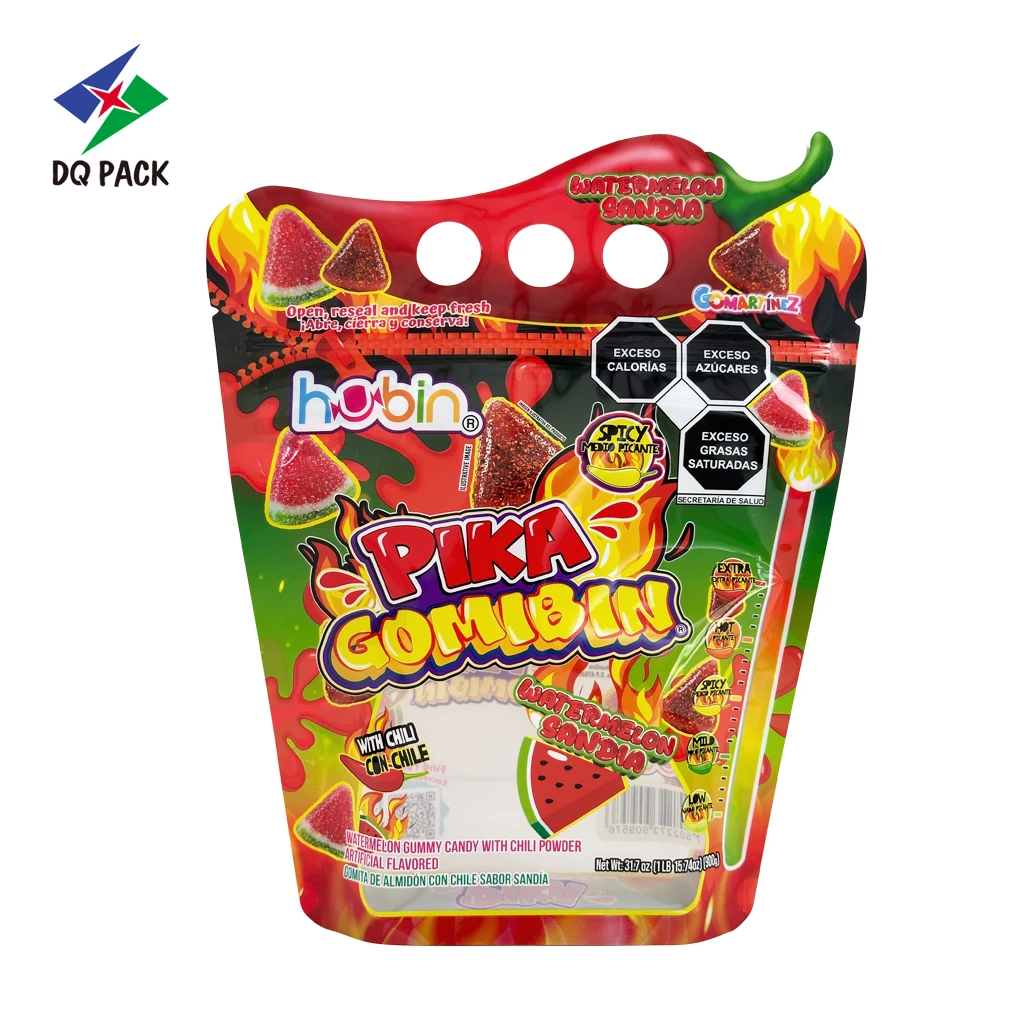
Choosing the right food packaging composite structure is crucial for maintaining product quality, extending shelf life, and optimizing costs. Because barrier performance requirements, filling processes, and storage conditions vary across different products, there is no one-size-fits-all solution. DQ PACK is a leading company in flexible packaging with over 30 years of manufacturing experience and advanced automated production lines. In this guide, we will explain how to choose the most suitable food packaging composite structure, compare common material combinations, and share practical purchasing advice from an experienced flexible packaging manufacturer.
Why Choosing the Right Food Packaging Laminate Structure Matters
For many food companies, packaging decisions often focus on appearance, printing quality, or cost. While these factors are important, the real performance of a package depends on its food packaging laminate structure.
A laminate structure is more than a combination of several films. Each layer performs a specific function, and together they determine how well the package protects the food throughout production, transportation, storage, and retail display.
Choosing an unsuitable structure can lead to serious problems, including:
Moisture absorption
Oxygen penetration
Aroma loss
Oil migration
Package leakage
Reduced shelf life
Higher product return rates
For example, a standard laminated film may be suitable for dry snacks with a short sales cycle, while products such as roasted coffee, nuts, freeze-dried foods, and pet food require high-barrier laminate structures to preserve freshness over a much longer period.
Rather than selecting the most expensive materials, successful food manufacturers focus on choosing therightfood packaging laminate structure based on product characteristics, processing methods, distribution channels, and budget.
What Is a Food Packaging Laminate Structure?
A food packaging laminate structure is a multilayer flexible packaging system created by bonding two or more films together. Each material contributes a unique property, allowing the finished package to deliver better performance than a single-layer film.
Depending on the product’s requirements, a laminate structure may provide:
Moisture resistance
Oxygen barrier
Light protection
Aroma retention
Heat-sealing performance
Puncture resistance
Mechanical strength
Printability
Chemical resistance
This combination of properties is why laminated packaging films are widely used in industries such as:
Snack foods
Coffee and tea
Frozen foods
Ready-to-eat meals
Confectionery
Pet food
Dairy products
Powdered foods
Selecting the correct food packaging laminate structure ensures that the packaging not only protects the product but also supports efficient production and enhances the consumer experience.
Understanding the Three Functional Layers of a Laminate Structure
One of the biggest misconceptions among packaging buyers is believing that all laminate films perform the same function. In reality, every food packaging laminate structure consists of several functional layers, each designed for a specific purpose.
1. Printing Layer
The outer layer provides the package with visual appeal and protects printed graphics during transportation and handling.
Common materials include:
PET
BOPP
These materials offer excellent printability, scratch resistance, and dimensional stability.
2. Barrier Layer
The barrier layer is responsible for protecting food from external environmental factors.
Depending on the product, it may prevent:
Oxygen transmission
Moisture ingress
Light exposure
Aroma loss
Typical barrier materials include:
Aluminum Foil (AL)
Metallized PET (VMPET)
High-barrier specialty films
For products with long shelf-life requirements, the barrier layer often determines the overall performance of the food packaging laminate structure.
3. Sealing Layer
The innermost layer comes into direct contact with food and is responsible for creating a reliable heat seal.
Common sealing materials include:
PE
CPP
Retort-grade CPP
Retort-grade PE
The sealing layer influences:
Seal strength
Filling efficiency
Leak resistance
Product safety
For applications involving high-temperature sterilization or frozen storage, selecting the appropriate sealing layer is critical to maintaining package integrity.
How Different Laminate Materials Work Together
Many buyers assume that thicker packaging automatically provides better protection. In reality, packaging performance depends on how each material works together within the food packaging laminate structure, not simply on total thickness.
PET – Strong Printing and Structural Support
PET is widely used as the outer layer because it offers:
Excellent printing quality
High tensile strength
Good heat resistance
Stable dimensions during production
PET also protects printed graphics from scratches during transportation and retail handling.
BOPP – Cost-Effective Surface Protection
BOPP is commonly used for snack foods because it provides:
High transparency
Attractive gloss
Good moisture resistance
Excellent machinability
It is often selected for products where appearance and production efficiency are equally important.
VMPET – Balanced Barrier Performance
Metallized PET (VMPET) offers significantly improved barrier performance compared with ordinary plastic films while remaining more economical than aluminum foil.
Its advantages include:
Good oxygen barrier
Excellent moisture protection
Better aroma retention
Lower material cost
For many dry food applications, VMPET provides an excellent balance between performance and cost.
Aluminum Foil – Maximum Barrier Protection
When products require extended shelf life or protection from light, aluminum foil remains one of the most effective barrier materials.
Typical applications include:
Premium coffee
Freeze-dried food
Nutritional powders
Pharmaceutical packaging
High-end pet food
Although aluminum foil delivers exceptional barrier properties, it also increases material cost and reduces package transparency. Therefore, it should be selected only when its performance advantages are necessary.
PE and CPP – Reliable Heat-Sealing Layers
PE and CPP are the sealing layers that come into direct contact with food.
Their primary functions include:
Strong heat sealing
Leak prevention
Food safety
Flexible package performance
For retort applications, CPP is often preferred because of its superior heat resistance during sterilization.
How to Choose the Right Food Packaging Laminate Structure for Different Food Products
Selecting the correct food packaging laminate structure begins with understanding the characteristics of the product being packaged. Every food has different sensitivity to oxygen, moisture, grease, light, temperature, and mechanical impact. Using an unsuitable laminate structure can shorten shelf life, reduce product quality, and increase the risk of customer complaints.
Instead of selecting materials based only on price, professional buyers evaluate the product’s preservation requirements, filling process, transportation conditions, and expected shelf life before choosing a food packaging laminate structure.
Recommended food packaging laminate structure for Different Food Categories.The following table provides general recommendations for common food applications.
Food Product
Recommended Laminate Structure
Main Protection Requirement
Potato Chips
BOPP/VMPET/PE
Moisture barrier and aroma retention
Coffee Beans
PET/AL/PE
Oxygen, moisture, and light barrier
Ground Coffee
PET/VMPET/PE
Freshness preservation and aroma protection
Frozen Food
PET/PE
Low-temperature resistance and seal integrity
Retort Food
PET/AL/CPP
High-temperature sterilization resistance
Pet Food
PET/AL/PE
High barrier and puncture resistance
Powdered Milk
PET/AL/PE
Moisture and oxygen protection
Nuts & Dried Fruits
PET/VMPET/PE
Oxidation prevention and freshness retention
Sauce & Condiments
PET/NY/PE
Puncture resistance and leak prevention
Important: These structures are common industry solutions. The optimal food packaging laminate structure should always be determined based on your product formula, filling method, shelf-life target, and transportation conditions.
Cost vs. Performance: Choosing the Most Efficient Food Packaging Laminate Structure
Many businesses believe that selecting the highest-barrier material will always deliver the best results. However, an over-engineered package can unnecessarily increase production costs without adding meaningful value.
The goal is to find the most efficient food packaging laminate structure that balances product protection, production efficiency, and overall cost.
Laminate Structure
Barrier Performance
Relative Cost
Typical Applications
PET/PE
Medium
Low
Frozen food, bakery products
BOPP/PE
Medium
Low
Snacks, biscuits, confectionery
PET/VMPET/PE
High
Medium
Coffee, nuts, dried fruit
PET/AL/PE
Very High
High
Premium coffee, milk powder, pet food
PET/AL/CPP
Very High
High
Retort pouches and ready meals
A professional packaging supplier can recommend the most suitable structure by considering your product characteristics instead of simply recommending the most expensive option.
Key Manufacturing Factors That Influence Laminate Performance
Professional flexible packaging manufacturers typically monitor multiple production parameters to ensure consistent quality.
1. Raw Material Quality
High-quality raw materials provide the foundation for reliable packaging performance.
Professional manufacturers carefully evaluate:
Film thickness consistency
Surface treatment quality
Barrier performance
Heat resistance
Mechanical strength
Stable raw materials reduce production variation and improve finished product reliability.
2. Lamination Process Control
The lamination process directly affects the durability of a food packaging laminate structure.
Poor lamination may lead to:
Delamination
Bubble formation
Reduced barrier performance
Seal failure
Shortened shelf life
Advanced production equipment and precise process control help ensure strong bonding between each film layer.
3. Adhesive Selection
The adhesive is one of the most overlooked components in laminated packaging.
Choosing the correct adhesive system improves:
Bonding strength
Heat resistance
Chemical resistance
Long-term package stability
Different applications—including frozen food, retort packaging, and vacuum packaging—often require different adhesive formulations.
4. Quality Inspection
Reliable manufacturers implement comprehensive inspection procedures throughout production.
Typical quality checks include:
Lamination bond strength testing
Heat-sealing performance testing
Barrier performance evaluation
Visual inspection
Thickness measurement
Printing quality inspection
These inspections help ensure that every food packaging laminate structure meets customer specifications before shipment.
Emerging Trends in Food Packaging Laminate Structure
As food packaging technology continues to evolve, manufacturers and brand owners are focusing on solutions that improve both product protection and operational efficiency.
Several trends are shaping the future of the food packaging laminate structure industry.
1. High-Barrier Packaging Solutions
Demand for extended shelf life continues to increase across coffee, pet food, ready meals, and premium snack products.
High-barrier laminate structures help maintain product freshness while reducing food waste.
2. Sustainable Packaging Development
More brands are looking for packaging solutions that balance product protection with environmental responsibility.
Manufacturers are investing in:
Material reduction
Recyclable structures
Mono-material packaging research
Lightweight packaging solutions
The challenge is achieving sustainability without compromising product safety or barrier performance.
3. Smarter Cost Optimization
Instead of selecting the most expensive materials, buyers increasingly seek the most cost-effective food packaging laminate structure for each product category.
This approach improves profitability while maintaining product quality.
4. Customized Packaging Solutions
OEM and private-label packaging continue to grow worldwide.
How to Choose a Reliable Flexible Packaging Supplier
Selecting the right supplier is just as important as selecting the right laminate structure.
The following checklist can help buyers evaluate potential manufacturing partners.
Supplier Evaluation Checklist
Evaluation Item
Why It Matters
Manufacturing Experience
Indicates technical expertise and production stability
OEM & ODM Capability
Supports customized packaging solutions
Quality Management System
Ensures consistent product quality
Production Capacity
Supports long-term supply requirements
Material Selection Expertise
Helps optimize packaging performance and cost
Technical Support
Provides professional recommendations for different food applications
Packaging Testing Capability
Verifies sealing, barrier, and durability performance
International Export Experience
Ensures compliance with global market requirements
Conclusion
Selecting the right food packaging laminate structure is about much more than combining different packaging films. It is a strategic decision that directly influences product quality, shelf life, transportation safety, production efficiency, and overall brand reputation.
Throughout this guide, we have explored how different laminate materials—including PET, BOPP, PE, CPP, VMPET, and aluminum foil—work together to deliver the required barrier performance. Because every food product has unique needs, the most effective laminate structure depends on factors such as product characteristics, filling processes, storage conditions, and commercial objectives.
For food manufacturers, wholesalers, distributors, and private-label brands, working with an experienced packaging partner is the most efficient way to balance performance and cost. For over 30 years, DQ PACK has helped global clients develop reliable, high-performance flexible packaging tailored to their market demands. We provide complete OEM and ODM services, including:
Custom Laminate Structure Design & Optimization – Tailored barrier solutions for extended shelf life and cost efficiency.
Diverse Packaging Formats – Stand-up pouches, flat-bottom bags, spout pouches, vacuum bags, retort pouches, and automated rollstock films.
Advanced Printing & Material Selection – High-barrier materials and custom branding that elevate product competitiveness.
Global Export Expertise – End-to-end support for seamless international logistics and compliance.
Investing in the right food packaging laminate structure today protects your product quality, strengthens consumer trust, and drives future business growth. Contact DQ PACKtoday to discuss your packaging requirements and receive a customized solution.
FAQ
Q1:What is a food packaging laminate structure?
A food packaging laminate structure is a combination of two or more packaging films laminated together to provide specific functions such as printing, moisture protection, oxygen barrier, heat sealing, and puncture resistance.
Q2:Why is the right laminate structure important?
The right structure helps extend shelf life, protect food quality, reduce spoilage, improve transportation safety, and enhance product presentation.
Q3:Which laminate structure is best for coffee packaging?
Coffee typically requires high-barrier structures such as PET/AL/PE or PET/VMPET/PE to preserve aroma and protect against oxygen and moisture.
Q4: Is aluminum foil always the best barrier material?
Not necessarily. While aluminum foil provides excellent barrier performance, many products can achieve the required protection using metallized films such as VMPET at a lower cost.
Q5:Can laminate structures be customized?
Yes. Professional manufacturers offer customized laminate structures based on product requirements, packaging machinery, branding, and market needs.
Q6:How can I reduce packaging costs without sacrificing quality?
Instead of selecting the highest-cost materials, choose a food packaging laminate structure that provides the required barrier performance while avoiding unnecessary material specifications.



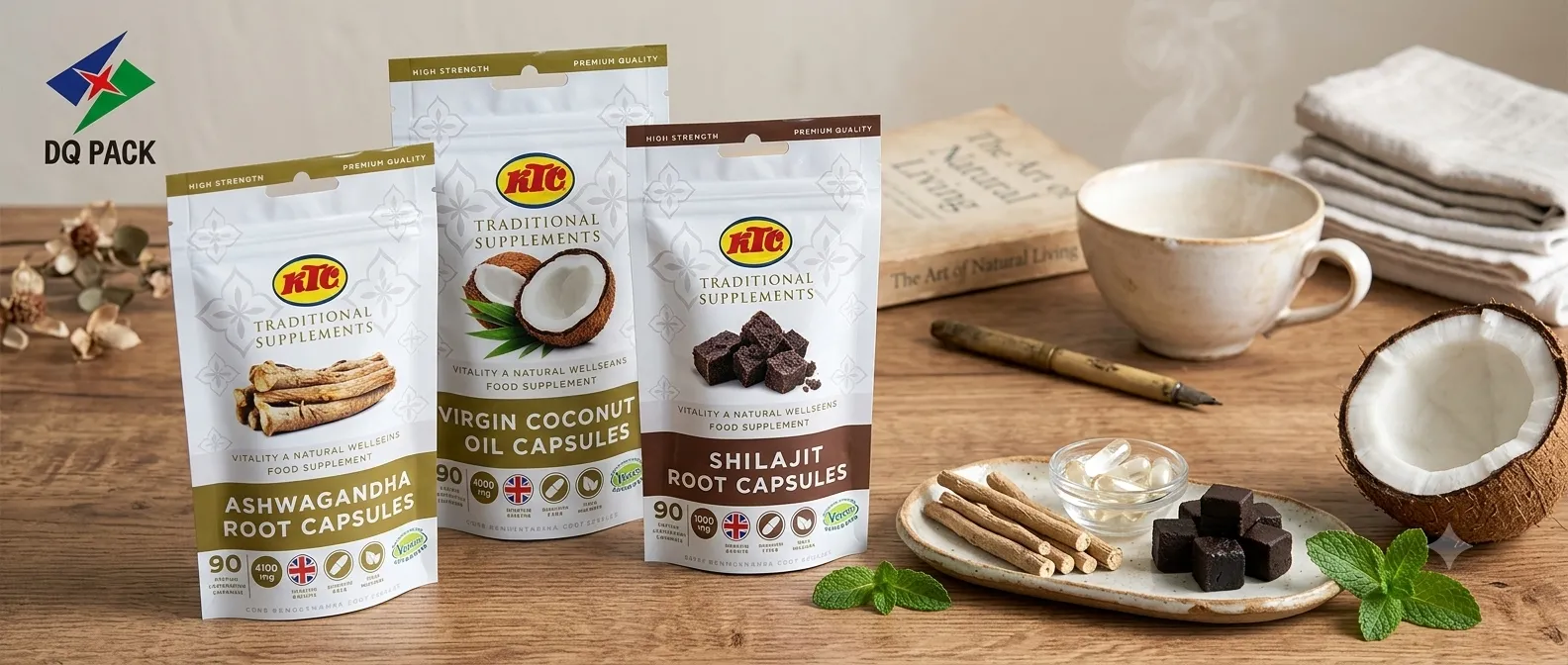
.webp)
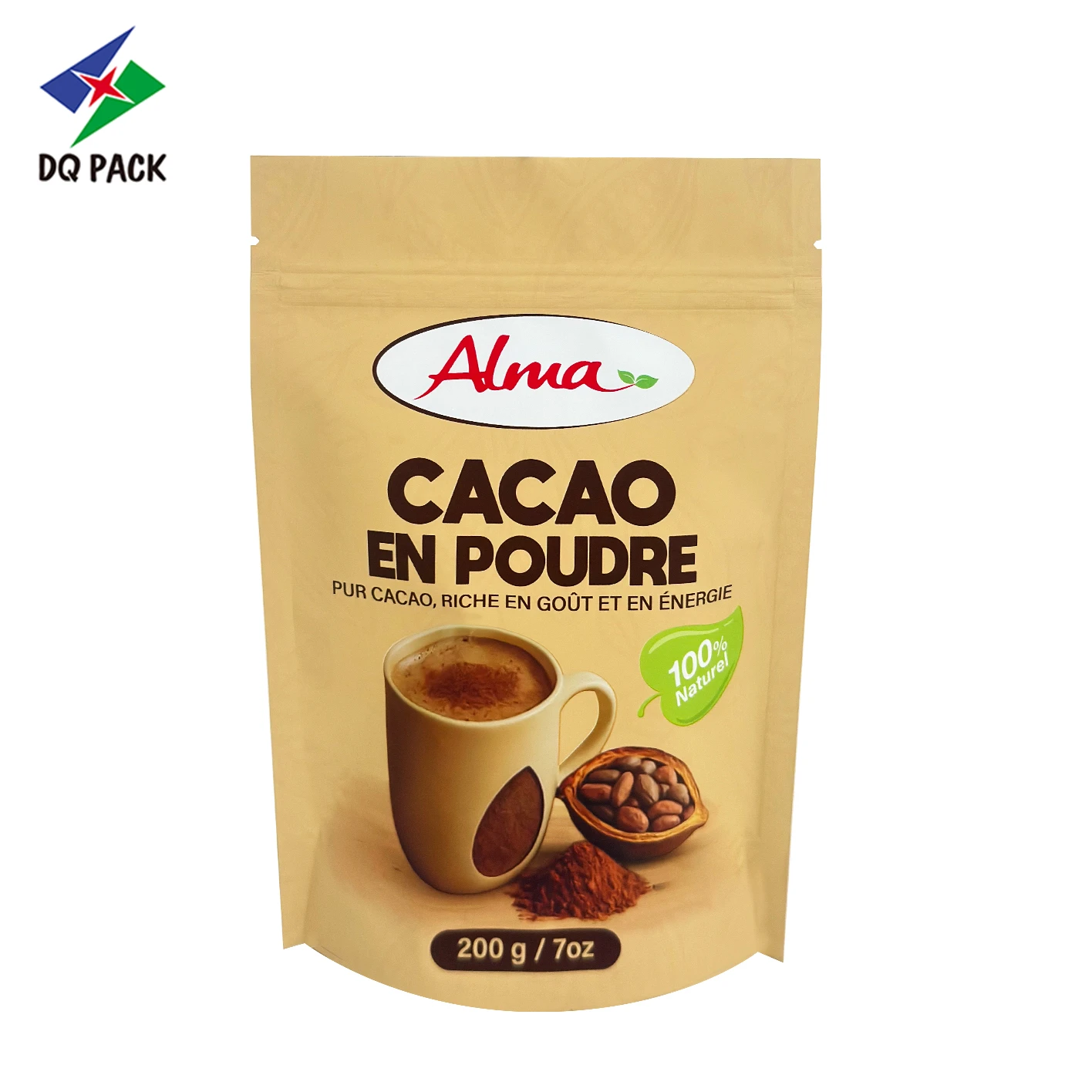
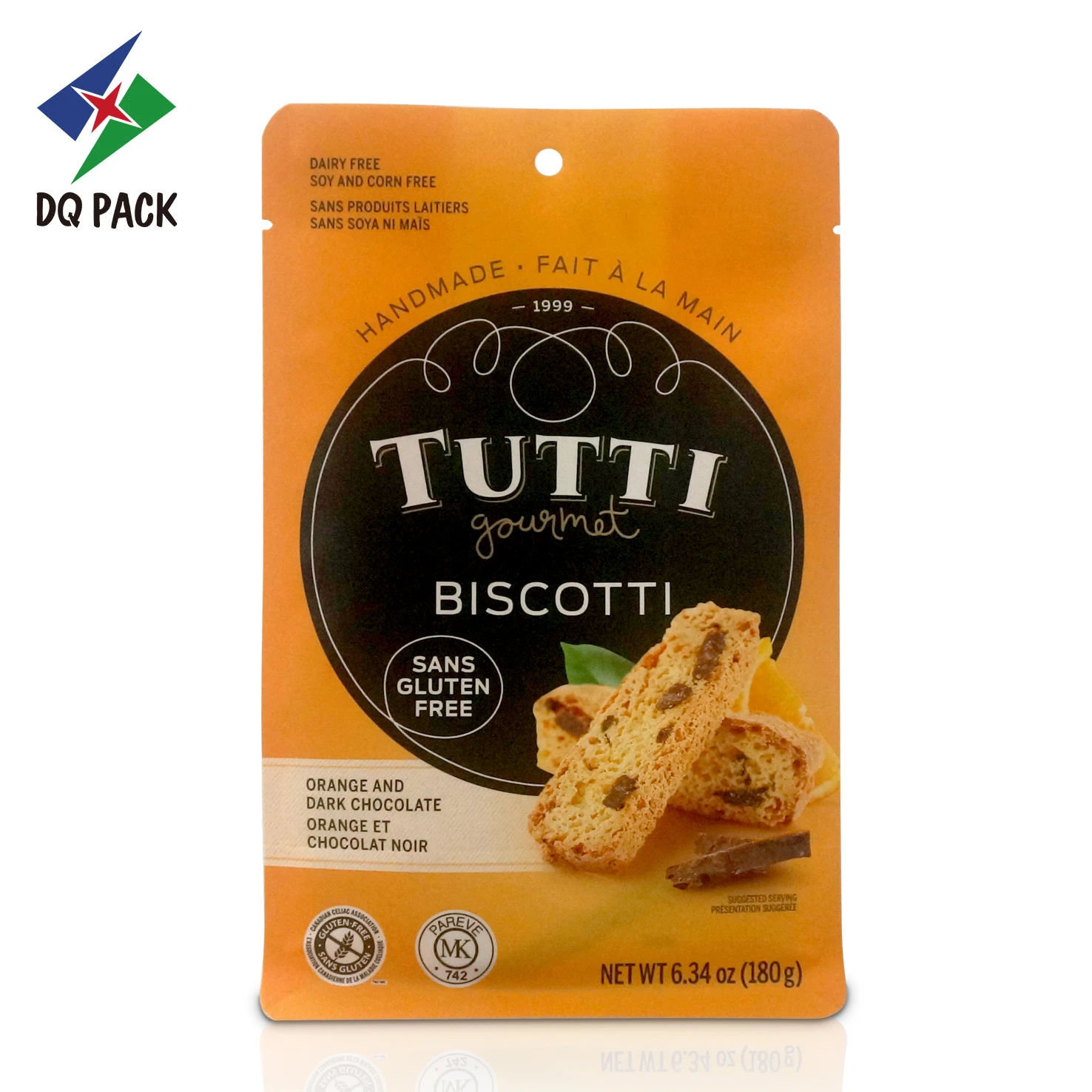
.webp)
.webp)