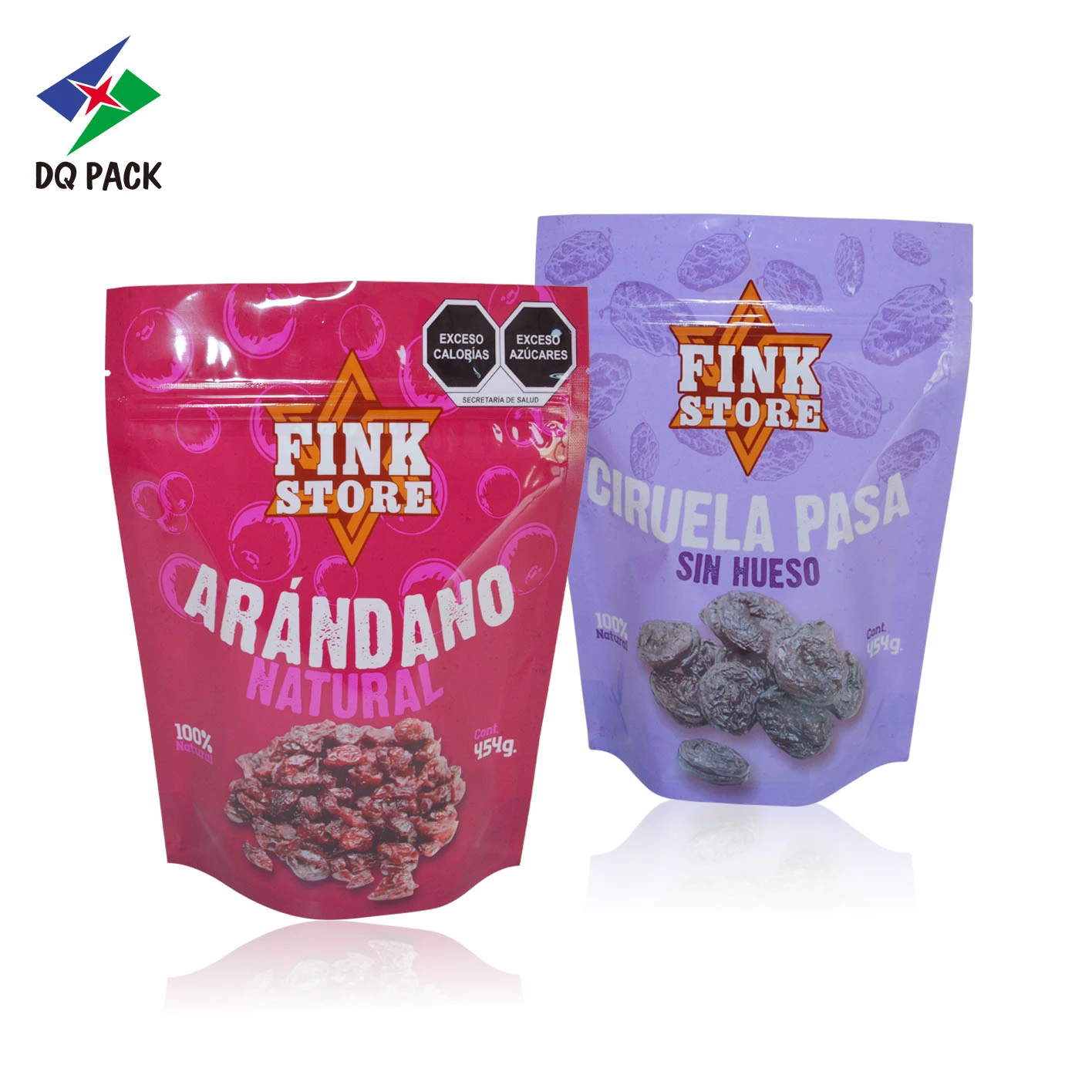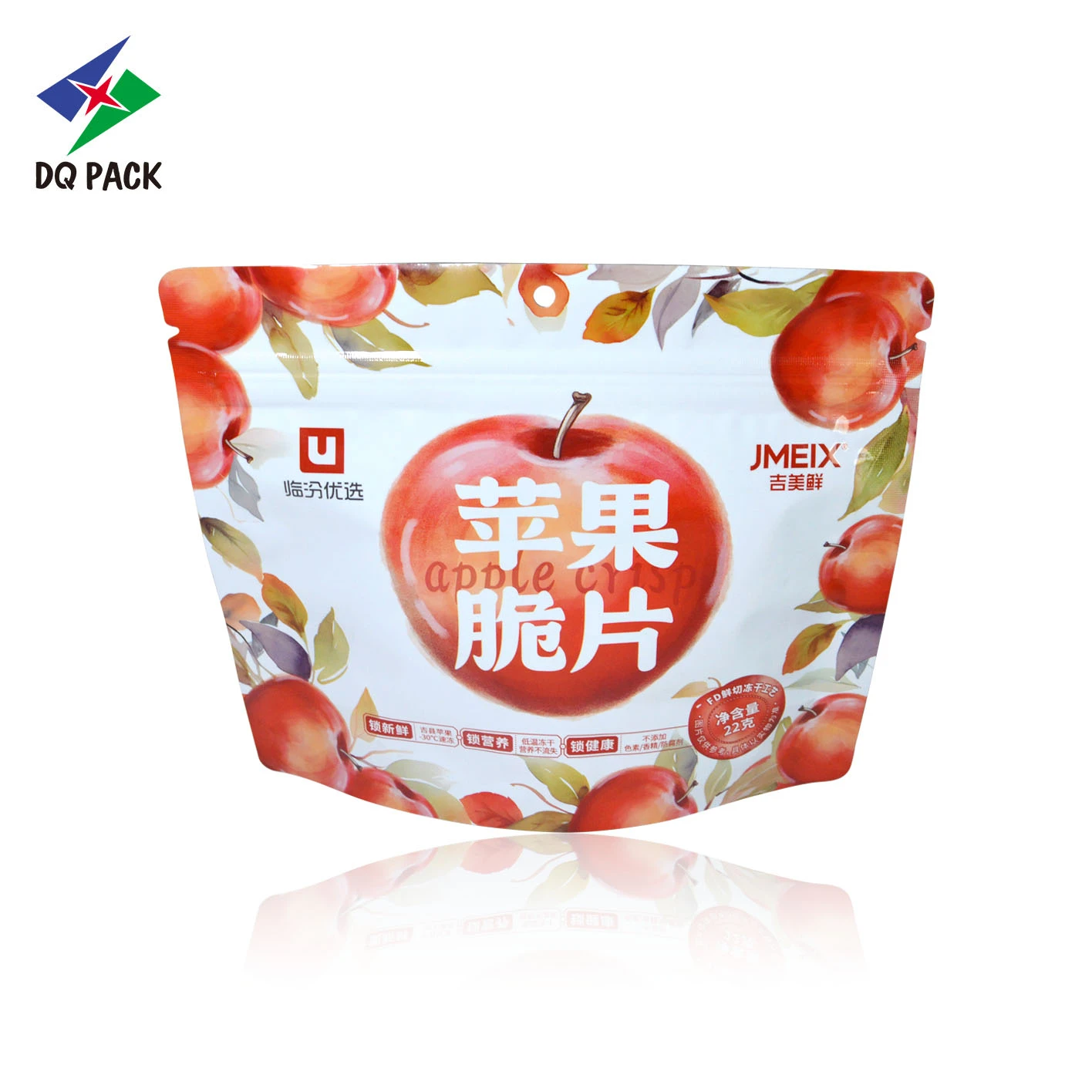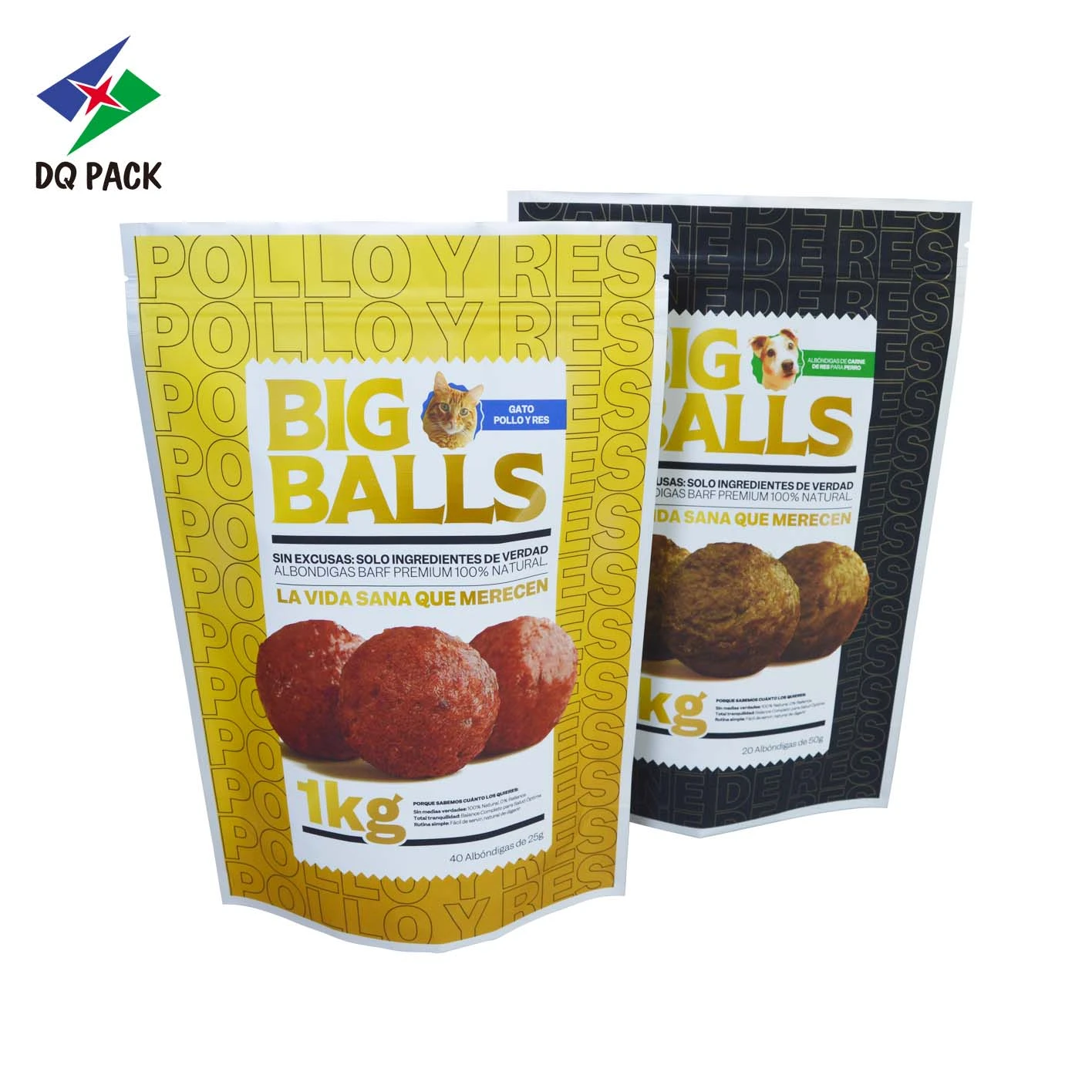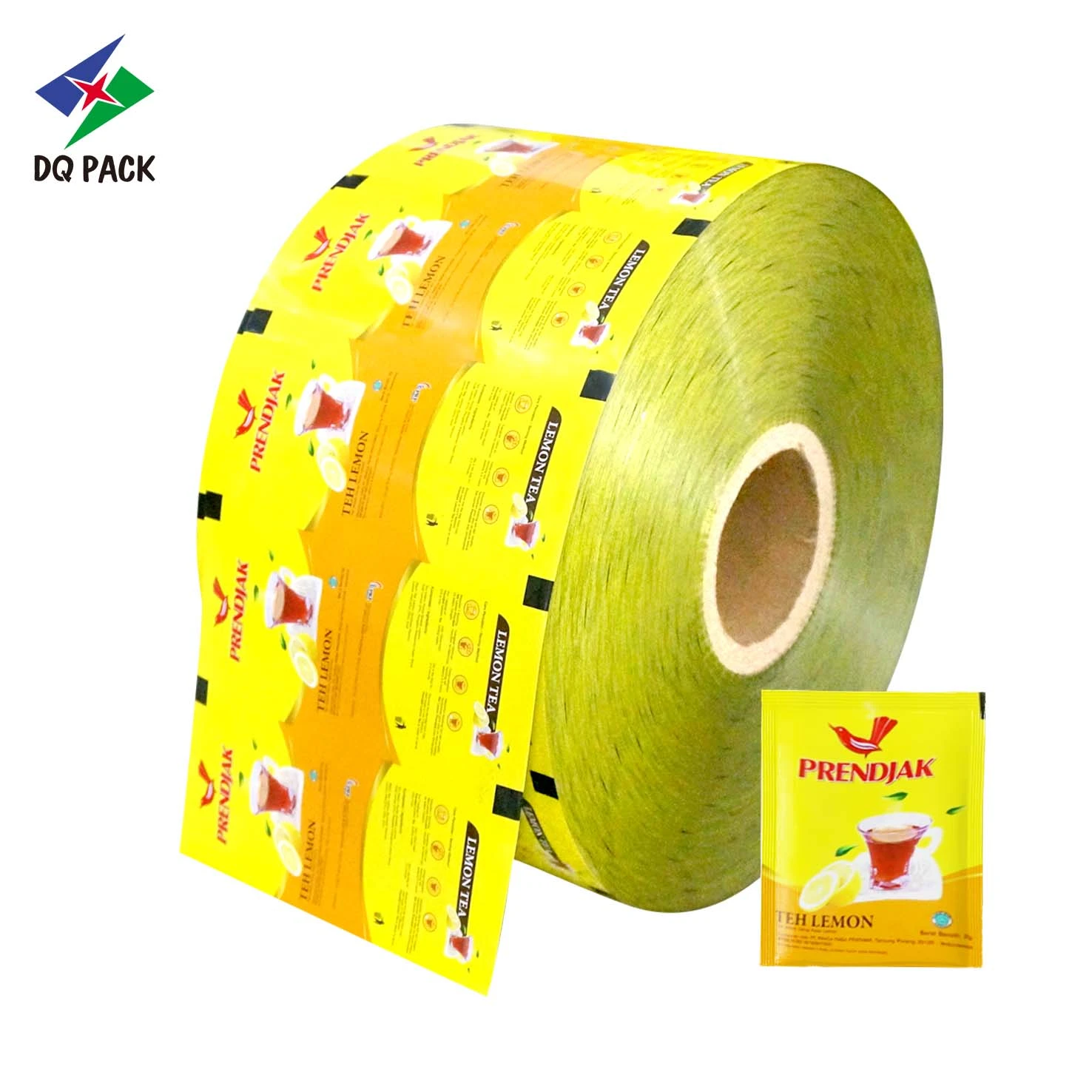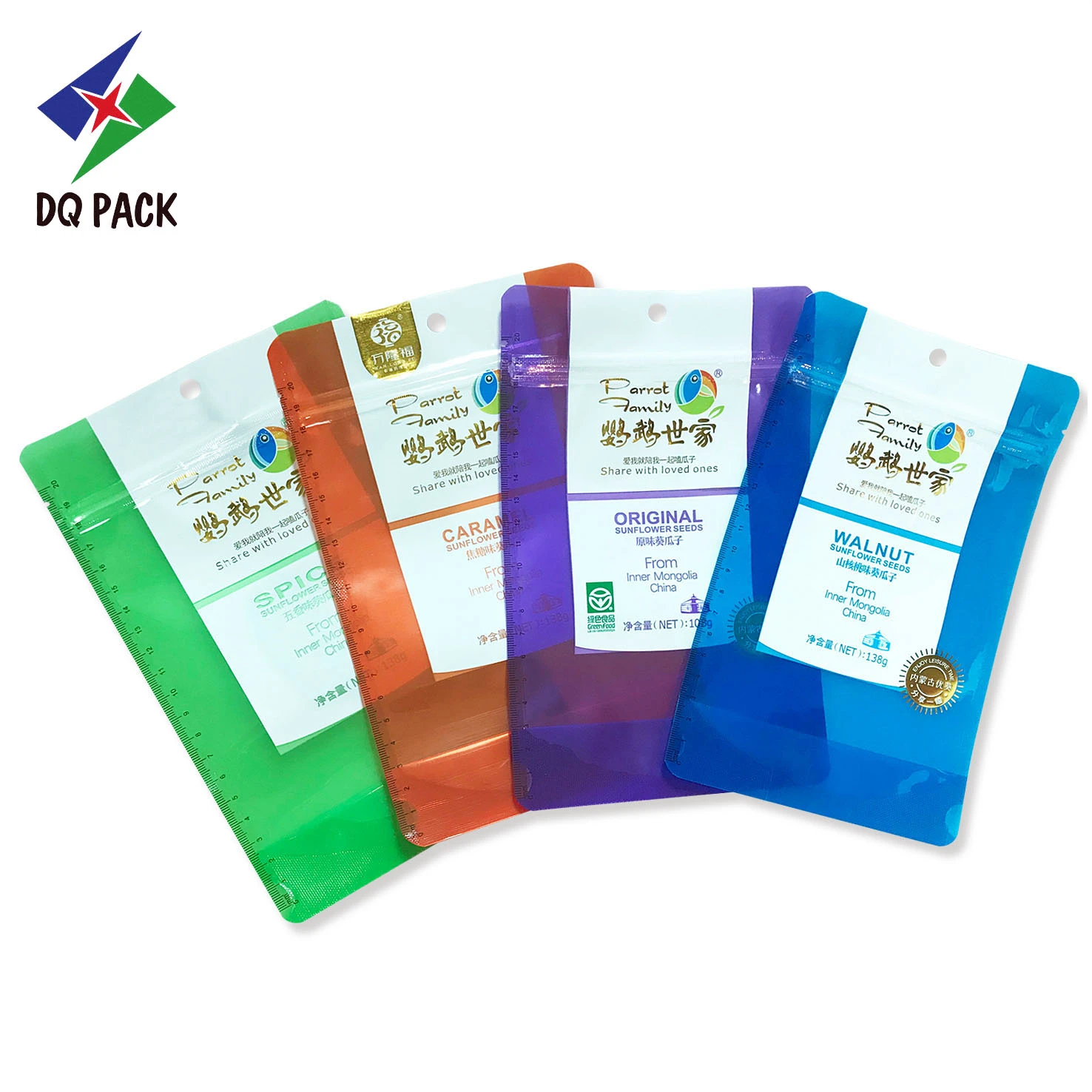


Choosing the right packaging can make or break a snack launch. For snack brands, packaging affects everything from shelf appeal and freshness to logistics costs and consumer convenience.
In this guide, DQパック, a カスタムフレキシブルパッケージングメーカー, walks procurement and product teams through the tradeoffs between two dominant formats—stand-up pouches and side gusset pouches—so you can pick the most profitable, brand-appropriate option.
Wherever helpful, we’ll call out practical production and cost considerations that matter for wholesale orders. Read on if you want your snack pouch decisions to support margins, filling efficiency, and retailer wins.
Two Pouch Types at a Glance
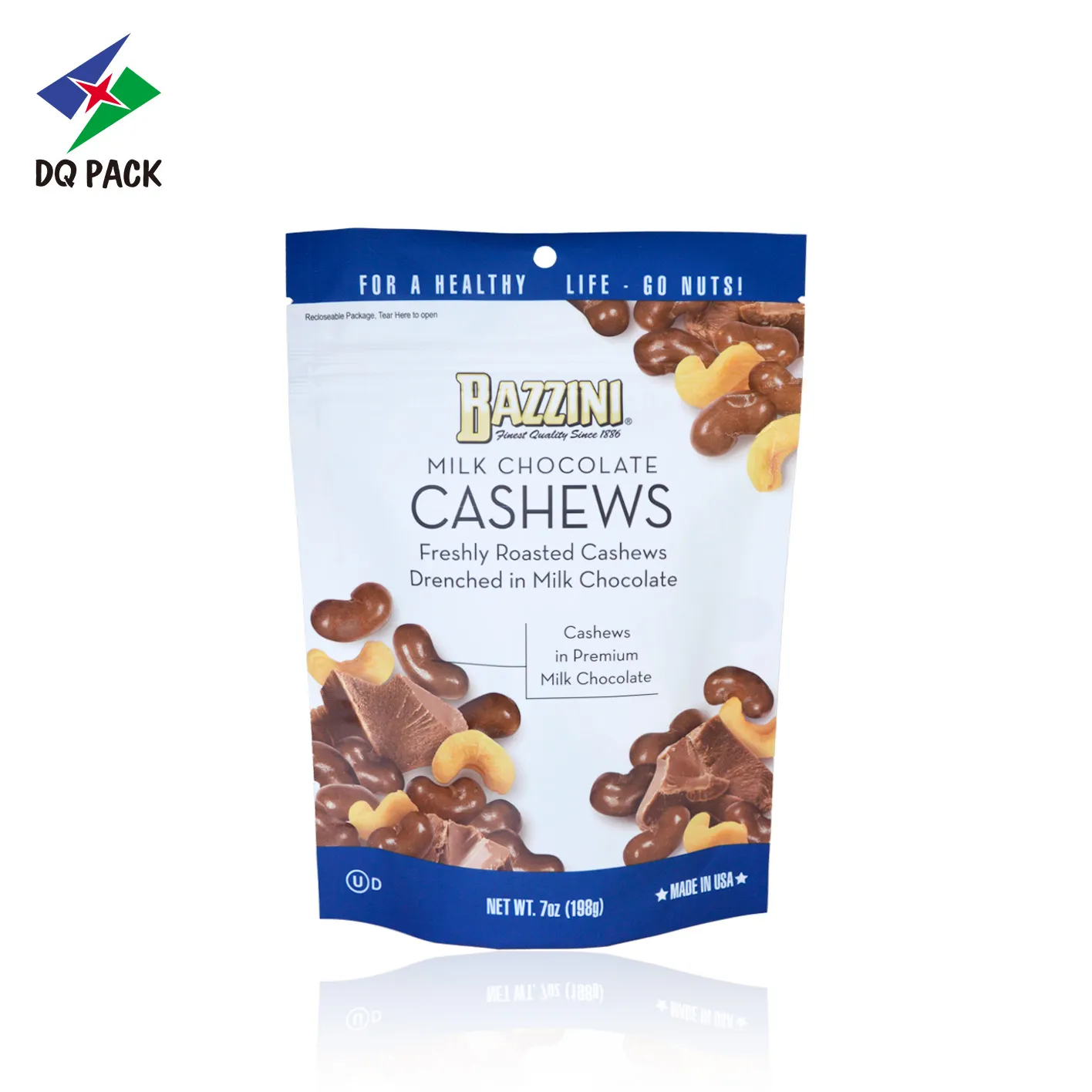
Before diving in, let’s define the contenders. A snack pouch in the market usually comes as either a stand-up pouch (with a bottom gusset that lets it sit upright) or a sided gusset pouch (a simpler shape without a structured base).
Stand-up pouches dominate premium retail segments thanks to strong shelf presence and reseal options; flat and side-gusset pouches remain popular where cost, packing density, and production speed are top priorities. Understanding these differences will help you align packaging to your product positioning.
| 特徴 | Stand-Up Snack Pouch | Limited/optional |
|---|---|---|
| Structure | Bottom gusset, self-standing | Flat or side gussets |
| 棚の魅力 | Strong, upright display | Limited |
| Cost Level | Higher | より低い |
| Packing Efficiency | 中程度 | 高い |
| Reseal Option | Common (zipper) | Limited / optional |
| 最適 | Premium retail snacks | Value, bulk, foodservice |
Stand-Up Pouch: definition and retail uses
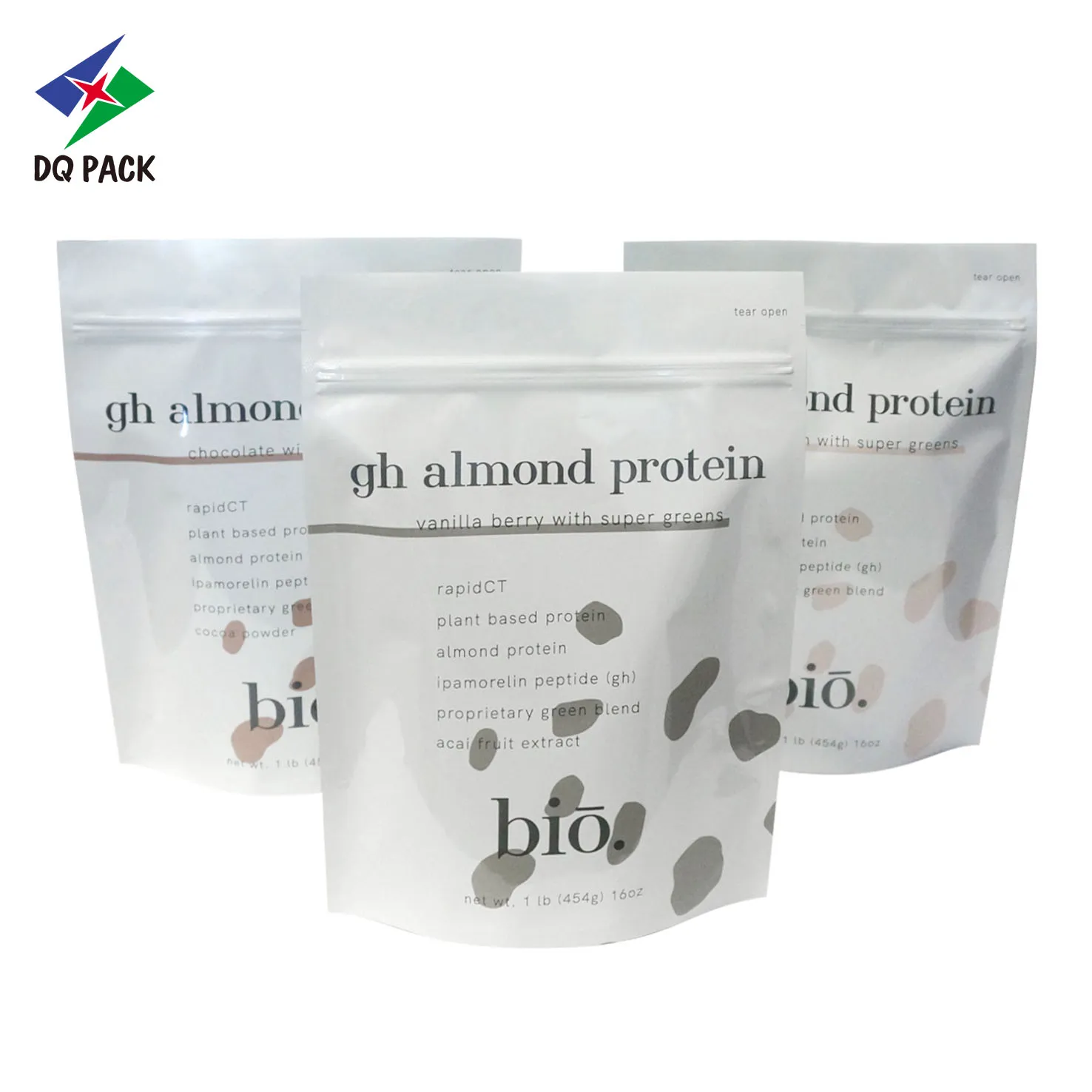
A stand-up snack pouch features a formed bottom gusset that opens into a stable base. Common consumer conveniences include zippers, tear notches, and transparent windows. This format is ideal for chips, nuts, granola, functional snacks, and any product that benefits from single-serve or resealable use.
If your SKU aims for eye-level placement or premium pricing, a stand-up pouch is often the better choice because it communicates quality and supports repeat consumption.
Stand-Up Pouch: advantages for wholesale buyers
For brands buying at scale, the snack pouch option of a stand-up bag offers clear commercial upsides. It improves sell-through thanks to shelf aesthetics, enables resealability for freshness (which reduces returns), and lifts perceived value—helpful when you want to charge a premium.
That said, these benefits come at a slightly higher per-unit material and forming cost. When forecasting, include the marginal uplift in film use, the more complex machinery setup, and the fact that many suppliers set higher minimum order quantities.
Stand-Up Pouch: cost and production notes
From a production standpoint, choosing a stand-up snack pouch means paying for more material and tighter process control.
Bottom gusset forming is precise work on form-fill-seal equipment or pre-formed pouch lines, and adding zippers or windows increases tooling and lead time. Stand-up pouches shine when expected volumes are mid-to-high, and you’re optimizing for retail performance rather than the lowest possible unit price.
Side-Gusset Pouches: Definition and Best Uses
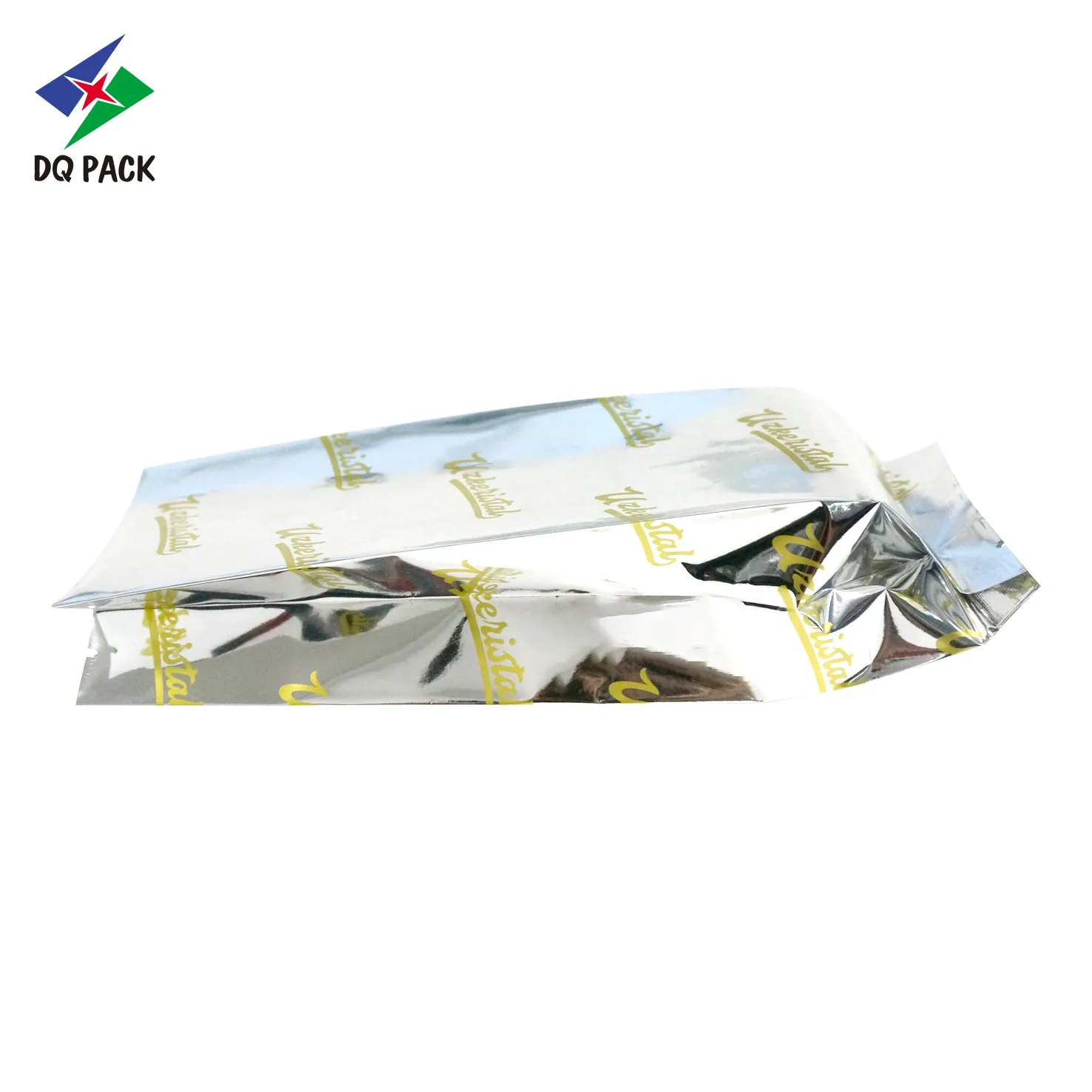
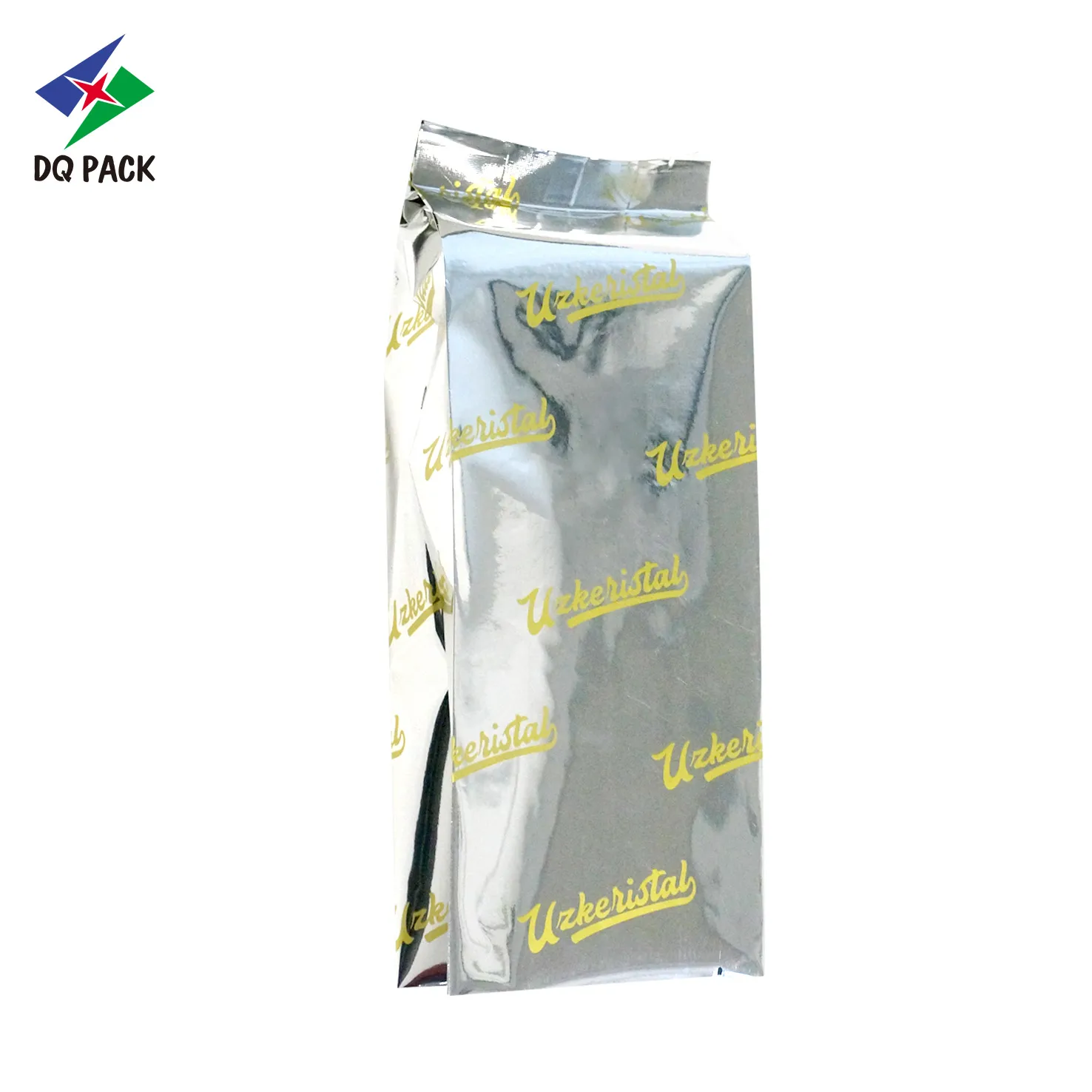
Side gusset snack pouch formats are simpler: either a flat bag sealed at the bottom or a bag with side gussets that expand when filled. These are workhorse options for family-size packs, value lines, export cartons, and foodservice.
If your brand competes primarily on price or needs dense palletization and fast throughput on form-fill-seal lines, flat or side-gusset pouches often deliver the best cost-performance ratio.
Side Gusset: benefits and limitations
The main advantage of a flat&side gusset snack pouch is cost efficiency. Less film, faster filling speeds, and easier carton packing translate into lower landed cost per unit and often lower MOQs.
The tradeoffs are a weaker shelf display and limited reseal unless you add a zipper.
For premium or impulse products, this format may underperform in retail, but for bulk, institutional, or online bundles, it’s an efficient winner.
Barrier Materials and Product-specific Needs
No matter the shape, the right barrier makes or breaks shelf life.
A dry, low-oil snack often does well with BOPP/CPP laminations, while oxygen- or light-sensitive items require PET/VMPET/PE constructions. For oily or strongly aromatic snacks, ensure the lamination has grease resistance and aroma retention.
Choosing a snack pouch format doesn’t replace barrier design—match materials to shelf life goals and MAP or nitrogen flush processes if needed.
Wholesale Decision Framework: Practical Questions
When your procurement team evaluates a snack pouch option, ask the right questions:
Is the product impulse-driven or value-driven?
Will consumers reseal?
Is the primary channel brick-and-mortar, e-commerce, or foodservice?
What is your target cost per unit versus the perceived brand value?
General guidance: favor stand-up pouches for retail-facing, premium SKUs; favor flat/side-gusset pouches when cost, packing density, and speed are the priorities.
MOQ, Lead Time, and Customization Impacts
Customization—printing, zippers, windows, matte or gloss finishes—affects price and lead time.
Stand-up snack pouch styles often require higher minimums and longer set-up times; flat&side gussets are typically more flexible for trial SKUs.
Anyway, brands need to factor in printing cycles, sample approvals, and the lead time for zipper or special-finish components when planning launches or seasonal runs.
結論
There’s no universal “best” snack pouch—only the right fit for a given product, channel, and margin target. Stand-up pouches drive visibility and repeat use for premium retail SKUs; flat&side gusset pouches optimize costs and packing efficiency for volume-driven lines. Smart snack brands balance barrier needs, production realities, and channel strategy when choosing.
DQパックについて

DQパックは カスタムフレキシブルパッケージングメーカー 専門 wholesaling flexible packaging bags そして custom snack flexible packaging solutions for global brands. Operating as a direct factory supplier, we combine strong manufacturing capacity with the ability to translate brand aesthetics into functional, shelf-ready packaging.
Our team brings proven, hands-on experience in snack packaging across multiple formats and applications. With extensive OEM project expertise, we support brands through material selection, structure optimization, and visual execution—enabling efficient development cycles while leaving room for innovation and differentiation.
FAQ
Q: What is the most common mistake when choosing a snack pouch for wholesale?
A: Choosing a snack pouch based only on appearance while ignoring filling line compatibility and total operating cost.
Q: Why does snack pouch compatibility with filling lines matter?
A: Incompatible snack pouch structures can reduce line speed, increase scrap rates, and cause sealing issues during production.
Q: How does snack pouch selection affect freight and storage costs?
A: Poorly optimized snack pouch formats lower carton and pallet efficiency, increasing shipping and warehousing expenses.
Q: Is premium snack pouch packaging always a good idea?
A: No. Over-packaging low-margin snacks with high-end snack pouch materials can significantly erode profitability.
Q: What costs should buyers evaluate beyond snack pouch unit price?
A: Buyers should calculate total landed cost, including filling efficiency, logistics, storage, and quality risk—not just snack pouch pricing.