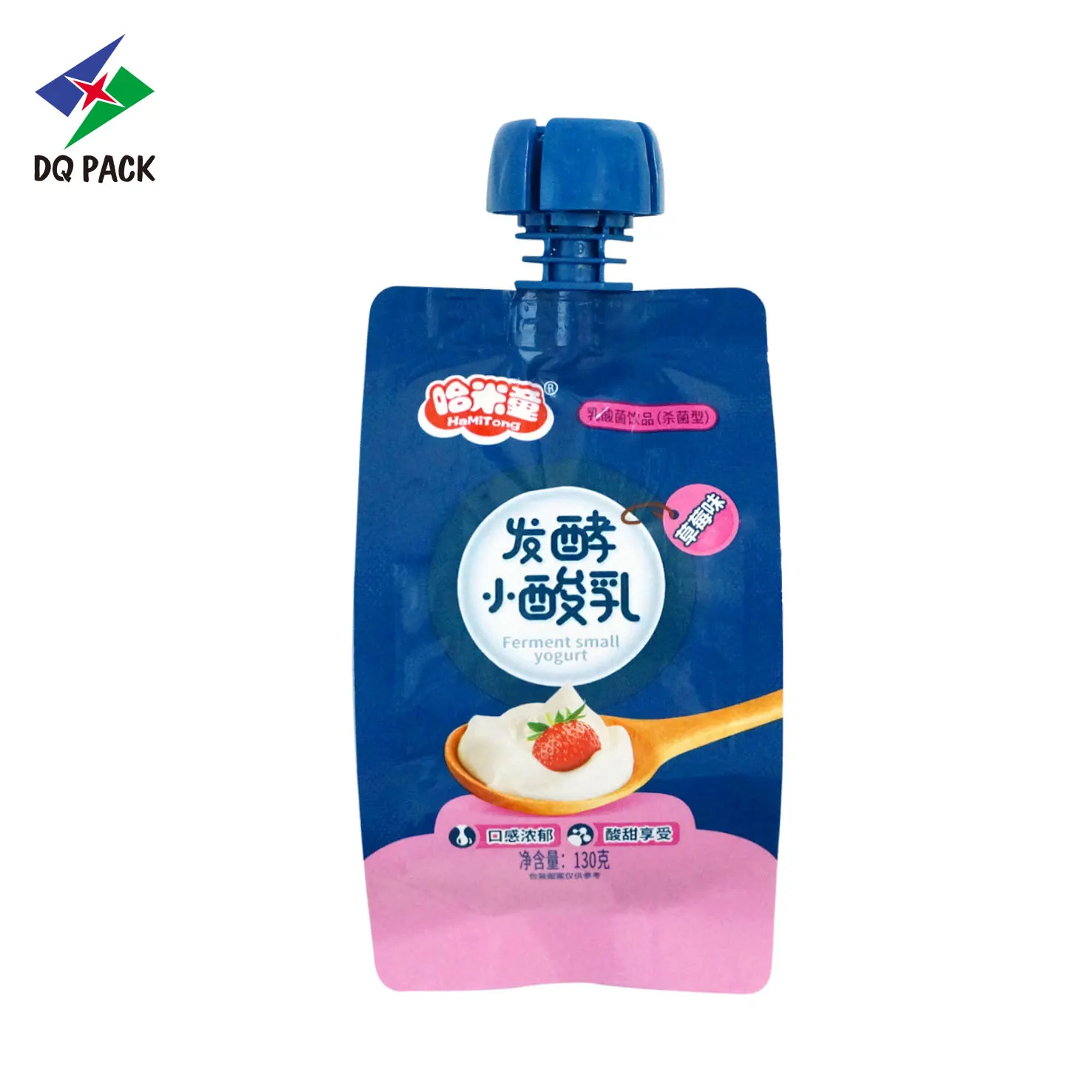


بالنسبة للعديد من العلامات التجارية التي تدرك أن الاستدامة لم تعد مجرد اعتبار ثانوي في مجال تغليف الأغذية والمشروبات، أصبحت قرارات التغليف تُقيَّم الآن ليس فقط على أساس التكلفة والوظيفة، بل أيضًا على أساس قابلية إعادة التدوير، وإمكانية خفض انبعاثات الكربون، والتأثير البيئي على المدى الطويل.
ويؤدي هذا التحول إلى تسريع وتيرة اعتماد حلول الأكياس المزودة بفوهة مصممة خصيصًا وصديقة للبيئة في فئات منتجات متعددة، مثل العلامات التجارية للأغذية والمشروبات.
جنبا إلى جنب مع حزمة DQ, a شركة متخصصة في تصنيع الأكياس ذات الفوهة, ، لمعرفة ما هي الاتجاهات الصديقة للبيئة السائدة في الوقت الحالي.
لماذا تتجه العلامات التجارية للأغذية والمشروبات نحو استخدام الأكياس ذات الفوهة الصديقة للبيئة
الضغوط المتعلقة بالتجزئة والضغوط التنظيمية
أصبحت اللوائح العالمية المتعلقة بالتغليف أكثر صرامة، لا سيما في أوروبا وأمريكا الشمالية.
تقوم العديد من الحكومات بتنفيذ ما يلي:
- سياسات الحد من استخدام البلاستيك
- متطلبات قابلية إعادة التدوير
- أنظمة المسؤولية الموسعة للمنتج (EPR)
- قيود انبعاثات المركبات العضوية المتطايرة
وفي الوقت نفسه، يتزايد لجوء كبار تجار التجزئة إلى تقييم الموردين من خلال بطاقات تقييم الاستدامة. ويواجه الموردون غير القادرين على التكيف مع متطلبات التغليف المستدام خطر فقدان إمكانية الوصول إلى الأسواق.
ونتيجة لذلك، فإن الطلب على عبوات أكياس ذات فوهة قابلة لإعادة الاستخدام تستمر في الارتفاع عبر القطاعات الموجهة للتصدير.
طلب المستهلكين على التغليف المستدام
كما أن المستهلكين يغيرون سلوكهم الشرائي.
يربط المشترون المعاصرون بشكل متزايد بين:
- عبوات قابلة لإعادة التدوير
- الطباعة منخفضة الانبعاثات
- تقليل النفايات البلاستيكية
مع تحمل مسؤولية أكبر تجاه العلامة التجارية.
في أسواق المشروبات والأغذية، تؤثر العبوات حالياً على:
- تصور الثقة
- تصور جودة المنتج
- التحديد المتميز للموقع
ويعد هذا الأمر مهمًا بشكل خاص بالنسبة للمستهلكين الأصغر سنًّا الذين يقيّمون بدقة ادعاءات الاستدامة قبل الشراء.
بالنسبة للعديد من العلامات التجارية، فإن التحول إلى تغليف الأغذية الصديق للبيئة أصبح الآن جزءًا من الاستراتيجية الشاملة للعلامة التجارية، وليس مجرد تسويق بيئي فحسب.
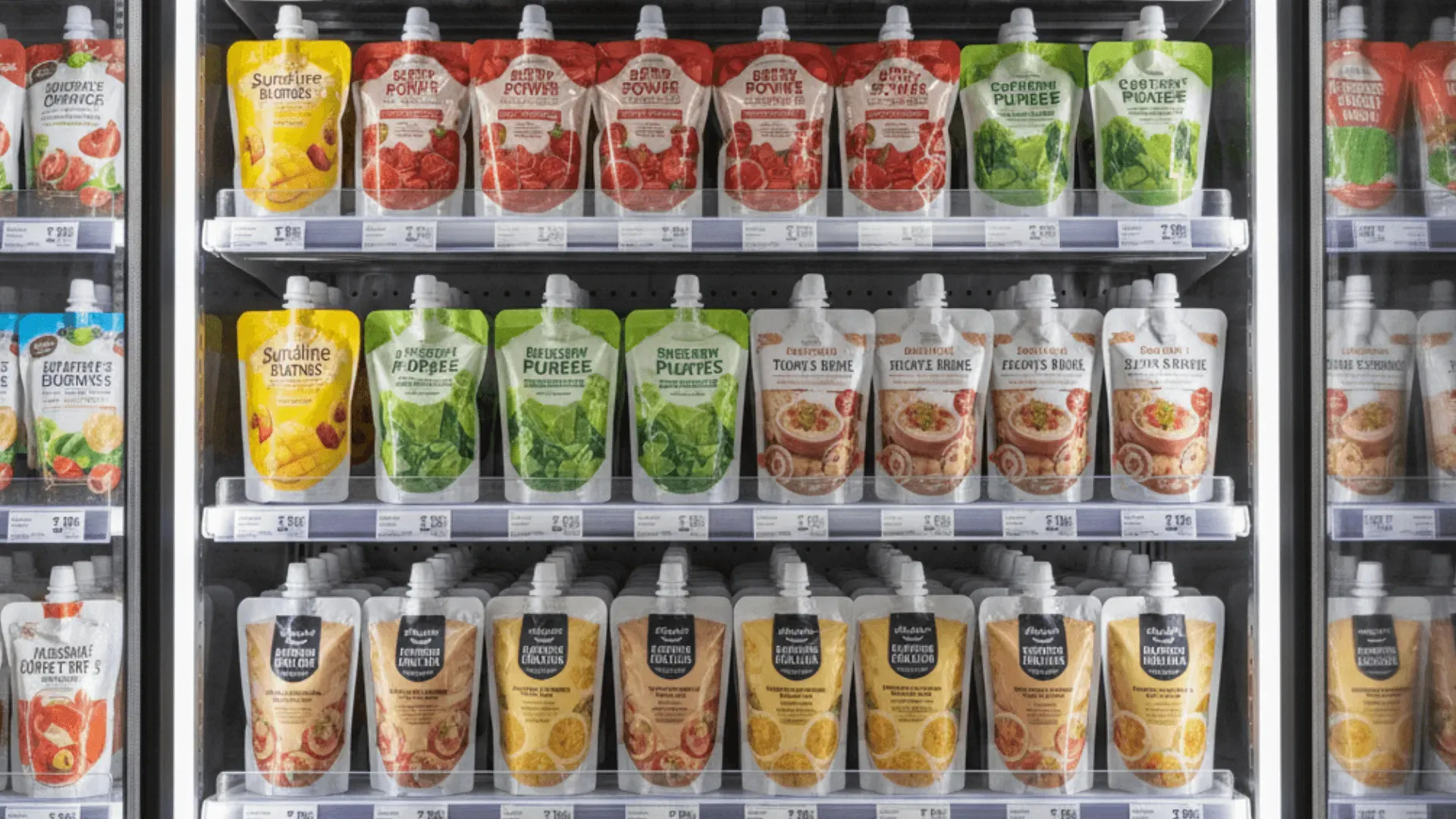
الاتجاه #1: أكياس ذات فوهة مصنوعة من مادة واحدة وقابلة لإعادة التدوير
ما هي الأكياس المصنوعة من مادة واحدة؟
يُعد اعتماد تصميمات أكياس الفوهة المصنوعة من مادة واحدة أحد أسرع الاتجاهات نموًّا في مجال التغليف المرن.
غالبًا ما تجمع العبوات المرنة التقليدية بين عدة مواد، مثل:
- حيوان أليف
- ورق الألمنيوم
- النايلون
- التربية البدنية
ورغم أن هذه الهياكل توفر أداءً عازلًا قويًّا، إلا أنه يصعب إعادة تدويرها نظرًا لصعوبة فصل طبقاتها عن بعضها.
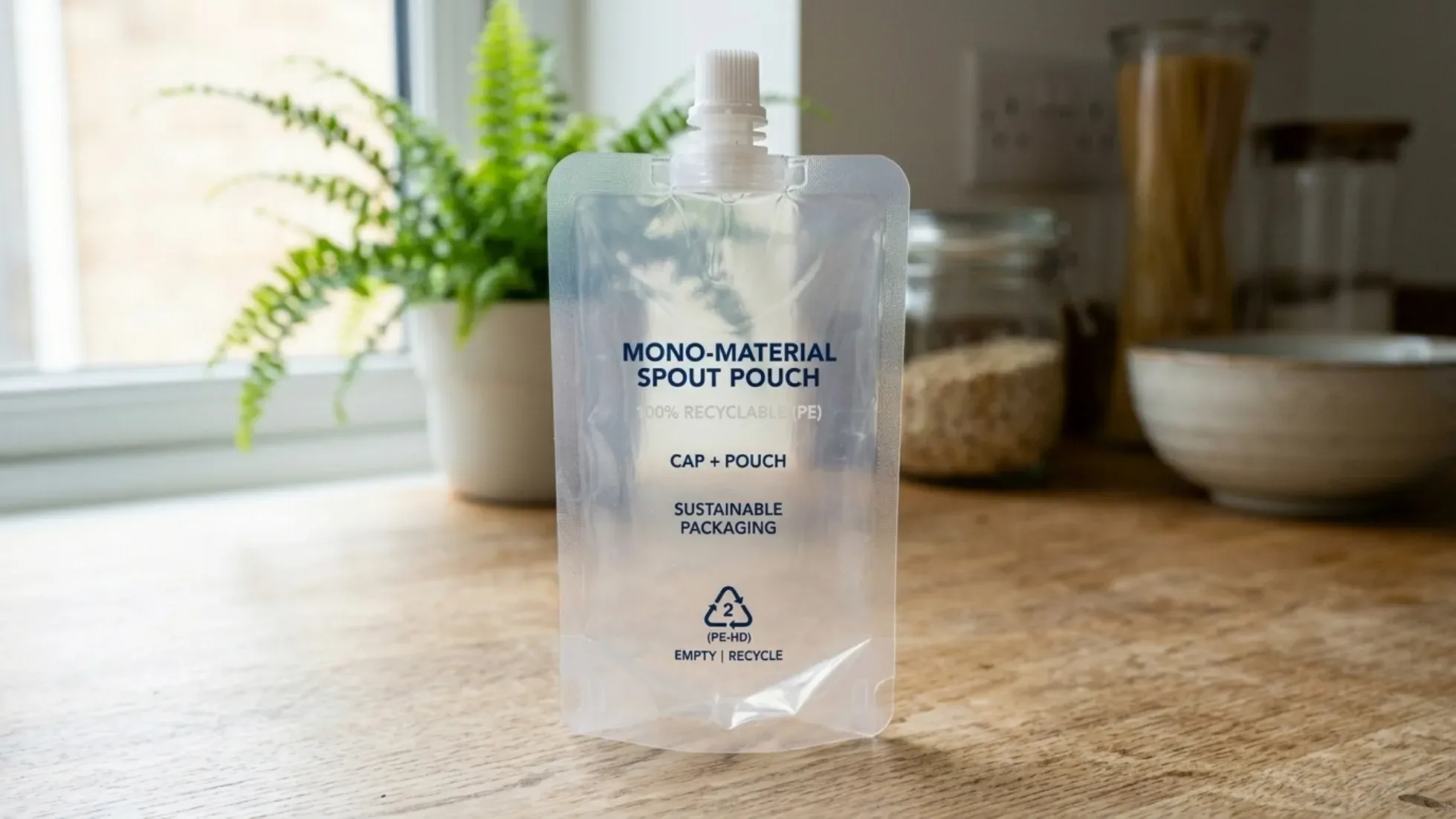
تعمل الهياكل المصنوعة من مادة واحدة على تبسيط هذا النظام من خلال استخدام مواد تعتمد بشكل أساسي على البولي إيثيلين (PE)، مما يحسّن من قابلية إعادة التدوير.
لماذا تنمو هذه الشركات بسرعة؟
تتجه العديد من العلامات التجارية للأغذية والمشروبات نحو استخدام أنظمة الأكياس المزودة بفوهة القابلة لإعادة التدوير، لأنها تتوافق بشكل أكثر فعالية مع أهداف الاقتصاد الدائري.
وتشمل المزايا ما يلي:
- تكامل أسهل لمسارات إعادة التدوير
- التركيب المبسط للمادة
- تراجع الانتقادات البيئية
يتجه تجار التجزئة والجهات التنظيمية بشكل متزايد إلى تفضيل العبوات التي يمكن إدخالها في البنية التحتية الحالية لإعادة التدوير.
يدفع هذا الاتجاه العديد من العلامات التجارية إلى التعاون مع جهة متخصصة الشركة المصنعة لأكياس الصنبور المخصصة قادرة على تصميم هياكل قابلة لإعادة التدوير دون المساس بالأداء.
التحديات التقنية
لا تزال العبوات المصنوعة من مادة واحدة تواجه بعض القيود.
وتشمل التحديات الرئيسية ما يلي:
- حواجز أكسجين أقل فعالية
- تعقيد عملية تحسين الختم
- صلابة أقل مقارنةً بالصفائح المركبة متعددة المواد
ونتيجة لذلك، يتعين على الشركات المصنعة تحسين:
- سماكة المادة
- طبقات مانعة للتسرب
- أنظمة دمج الفوهات
يتطلب الانتقال نحو قابلية إعادة التدوير قدرات هندسية، وليس مجرد استبدال المواد.
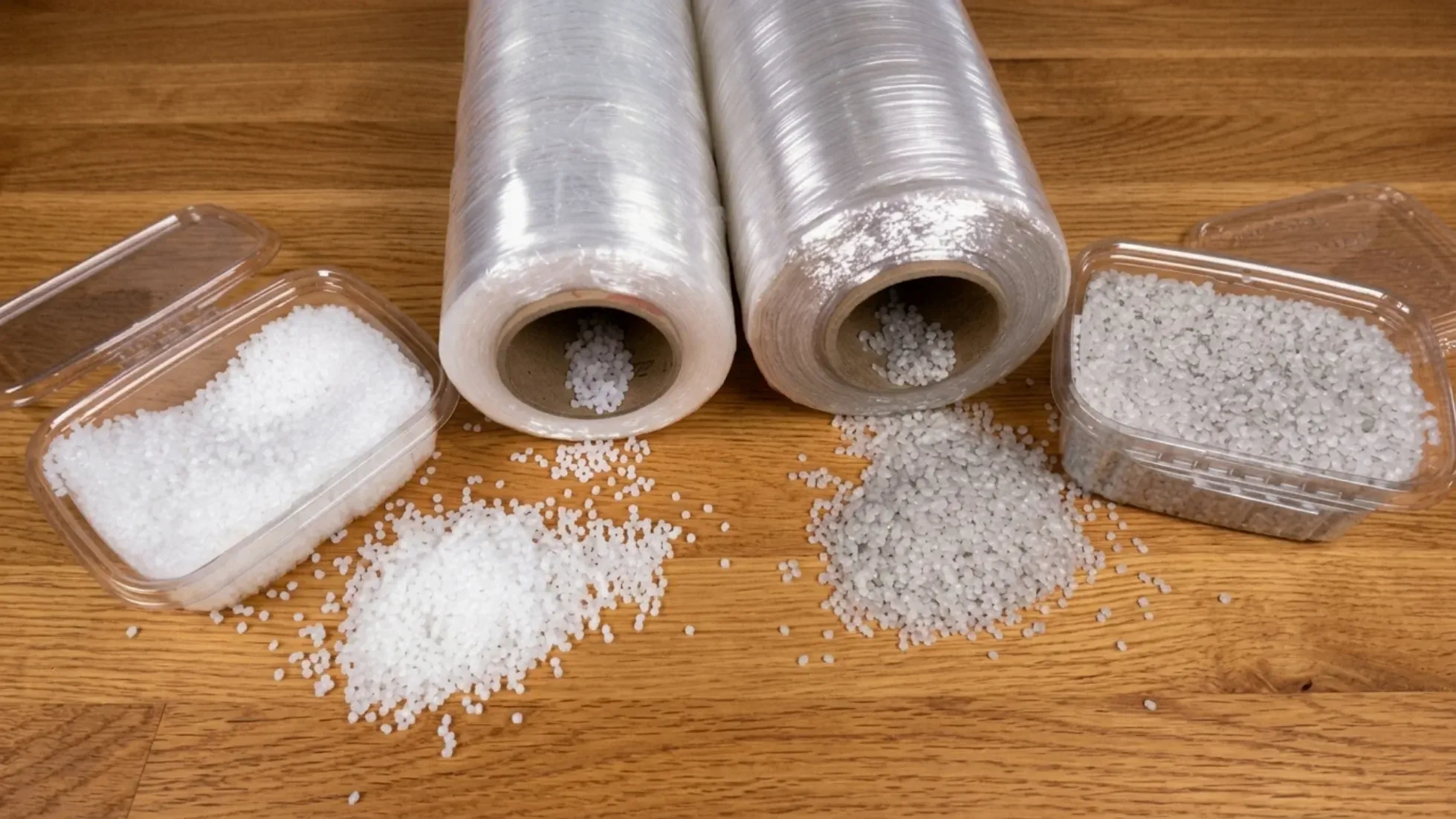
الاتجاه #2: تكامل تقنية PCR والمواد المعاد تدويرها
تزايد الطلب على عبوات PCR
أصبحت المواد المعاد تدويرها بعد الاستهلاك (PCR) أكثر انتشارًا في أنظمة التغليف المرنة القابلة لإعادة التدوير.
يتم إنتاج هذه المواد من تدفقات نفايات البلاستيك المعاد تدويرها، مما يقلل من الاعتماد على إنتاج الراتنج البكر.
تستخدم العلامات التجارية للأغذية والمشروبات مواد PCR بشكل متزايد من أجل:
- تقليل البصمة الكربونية
- تحسين المكانة في مجال ESG
- تحقيق أهداف الاستدامة الخاصة بتجار التجزئة
التحديات في التطبيقات المخصصة للأغذية
يعد استخدام المواد المعاد تدويرها في تغليف الأغذية أمرًا يتطلب خبرة فنية عالية.
يجب على الشركات المصنعة إدارة ما يلي:
- خطر التلوث
- تباين الاتساق
- التحكم في الروائح
- الامتثال للوائح التنظيمية
تتطلب التطبيقات المخصصة للأغذية رقابة أكثر صرامة بكثير على العمليات مقارنة بالتغليف الصناعي.
التحسينات في هندسة المواد
تعمل الشركات المصنعة المتطورة حالياً على تحسين أداء تقنية تفاعل البوليميراز المتسلسل (PCR) من خلال:
- الهندسة متعددة الطبقات
- تحسين عملية مزج الراتنج
- أنظمة تنقية محسّنة
وهذا يتيح لأنظمة تعبئة السوائل الصديقة للبيئة الحفاظ على مستوى مقبول من المتانة وأداء الإغلاق المحكم، مع استخدام مواد معاد تدويرها في تركيبتها.
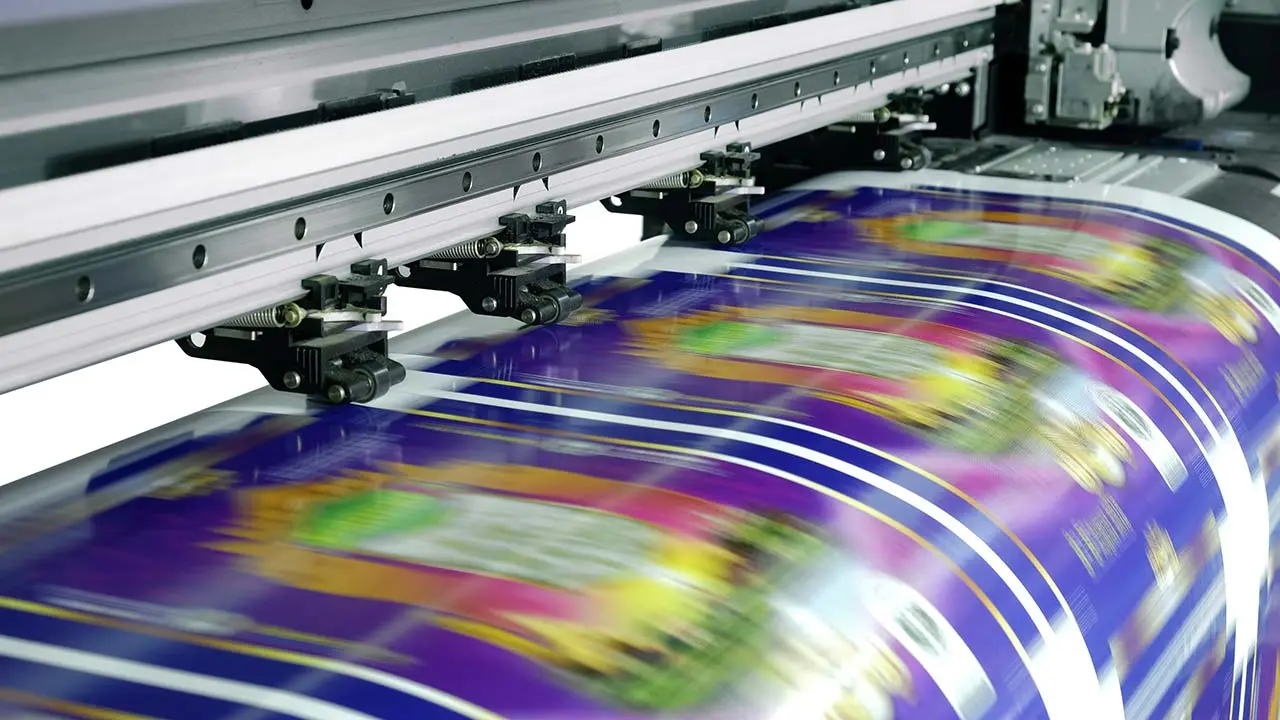
الاتجاه #3: الحبر المائي وأنظمة الطباعة منخفضة الانبعاثات من المركبات العضوية المتطايرة (VOC)
لماذا تُعد الاستدامة في مجال الطباعة أمرًا مهمًا
لا تقتصر الاستدامة في مجال التغليف على مواد الأغشية فحسب.
تُنتج الأحبار التقليدية القائمة على المذيبات انبعاثات كبيرة من المركبات العضوية المتطايرة (VOC) أثناء عمليات الطباعة والتغليف.
مع تشديد اللوائح البيئية، تفضل العلامات التجارية بشكل متزايد:
- أساليب إنتاج منخفضة الانبعاثات
- أنظمة طباعة أكثر أمانًا
- تقليل بقايا المذيبات
مزايا أنظمة الحبر المائي
توفر أنظمة الطباعة الحديثة التي تستخدم الحبر المائي عدة مزايا:
- انخفاض انبعاثات المركبات العضوية المتطايرة
- تقليل بقايا المذيبات
- تحسين الامتثال للمعايير البيئية
- ظروف تغليف أكثر أمانًا عند ملامسة الأغذية
تزداد أهمية هذه الأنظمة بشكل متزايد في مجال إنتاج عبوات المشروبات المستدامة.
فيما يتعلق بتطبيقات الأغذية والمشروبات، يُعد انخفاض مخاطر الانتقال أمراً ذا أهمية خاصة.
ولهذا السبب تفضل العديد من العلامات التجارية الآن من يتمتعون بالخبرة موردو التغليف المرن من الشركات المصنعة للمعدات الأصلية (OEM) مع قدرة طباعة مثبتة باستخدام الحبر المائي.
الاتجاه #4: التغليف الخفيف الوزن وتقليل المواد
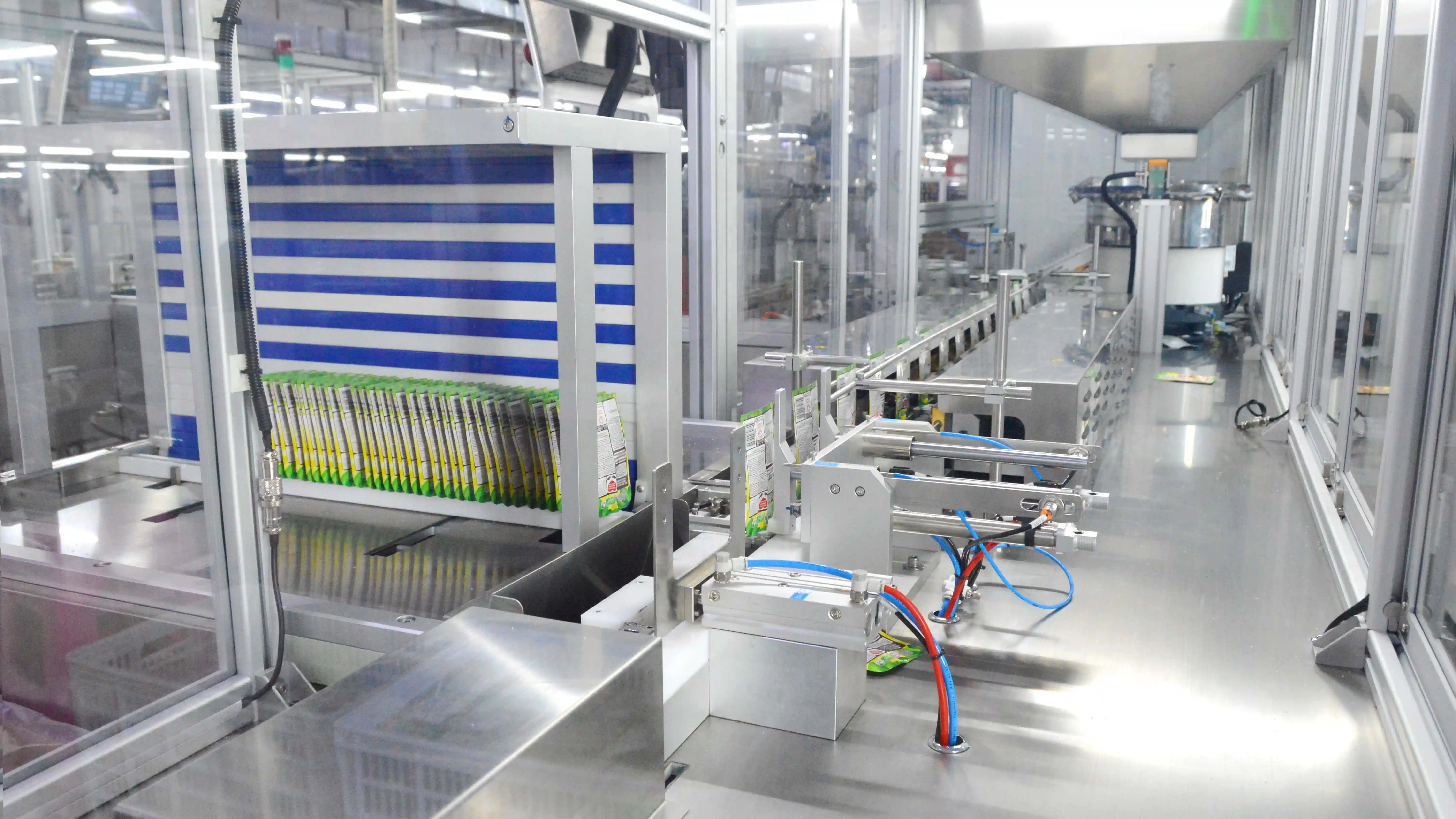
تقليل سماكة المعدن دون المساس بالأداء
يُعد تقليل المواد اتجاهاً رئيسياً آخر في مجال الاستدامة في قطاع التغليف المرن.
يعمل المصنعون على تطوير هياكل رقيقة أكثر مع الحفاظ على:
- مقاومة الثقب
- موثوقية الختم
- متانة وسائل النقل
تُعرف هذه العملية باسم «تقليل سماكة الورق».
فوائد النقل وخفض انبعاثات الكربون
تقلل العبوات الأخف وزنًا من:
- وزن الشحن
- استهلاك الوقود
- الطلب على التخزين في المستودعات
وهذا يحقق فوائد قابلة للقياس في مجال خفض انبعاثات الكربون عبر سلاسل التوريد.
بالنسبة للمصدرين العالميين، أصبحت كفاءة الخدمات اللوجستية تؤثر بشكل متزايد على الربحية بقدر تأثير تكلفة التغليف نفسها.
تحديات الهندسة الإنشائية
كما أن تقليل سماكة الطبقة يزيد من المخاطر الفنية.
يجب على الشركات المصنعة أن تحقق التوازن بعناية بين:
- قوة الختم
- مقاومة الضغط
- مقاومة الثقب
- توافق الحشو
وبدون قدرات هندسية قوية، غالبًا ما يؤدي تقليل سماكة الورق إلى حدوث عيوب في التغليف أثناء النقل.
الاتجاه #5: تصميم عبوات مستدامة فاخرة
الاستدامة كجزء من التموضع التسويقي للعلامة التجارية
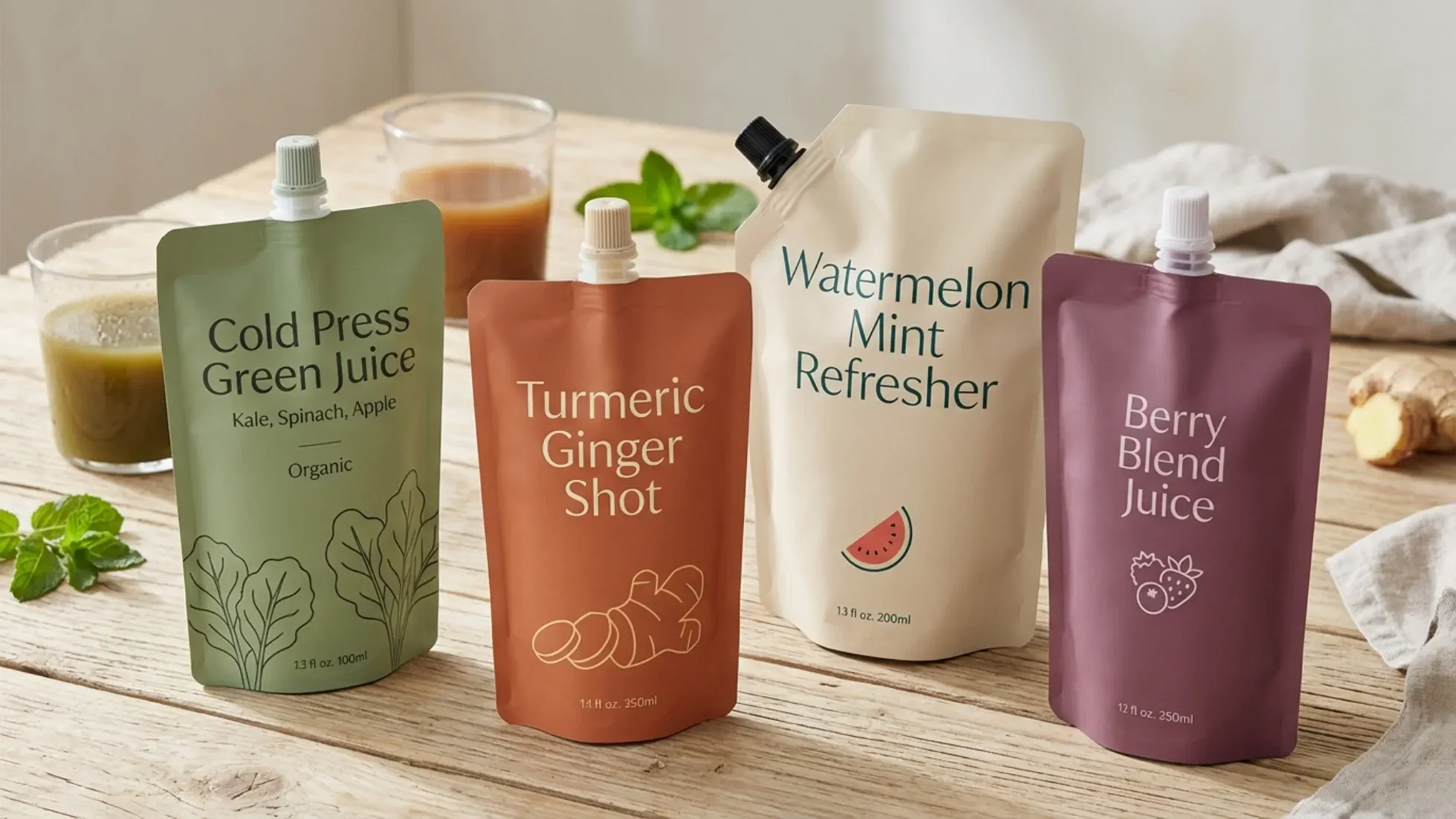
تؤثر الاستدامة بشكل متزايد على استراتيجية العلامة التجارية البصرية.
تستخدم العديد من العلامات التجارية المتميزة في مجال الأغذية والمشروبات العبوات الصديقة للبيئة للتواصل مع الجمهور:
- المسؤولية
- الشفافية
- جودة المنتج
ونتيجة لذلك، أصبحت العبوات المستدامة أداة لتعزيز المكانة المتميزة، بدلاً من أن تكون مجرد حل لضمان الامتثال للمعايير.
التشطيبات غير اللامعة واتجاهات التصميم البسيط
عصري تغليف أكياس ذات فوهة مخصصة تتجه الاتجاهات بشكل متزايد نحو:
- التشطيبات غير اللامعة
- تصميمات بسيطة
- ألوان طبيعية
- تصميم طباعي أكثر وضوحًا
تُعزز هذه الأنماط البصرية الرسائل البيئية، مع تحسين التميز على الرفوف.
ثقة المستهلك من خلال الشفافية في التغليف
يتزايد توقع المستهلكين بأن توضح العلامات التجارية مسألة الاستدامة بوضوح على العبوات.
تشمل الأساليب الشائعة ما يلي:
- ملصقات «قابلة لإعادة التدوير»
- الرسائل المتعلقة بخفض انبعاثات الكربون
- معلومات الإفصاح الجوهري
أصبحت العبوات جزءًا من سرد قصة العلامة التجارية وتثقيف العملاء.
التحديات التقنية التي تحد من انتشار الأكياس ذات الفوهة المخصصة الصديقة للبيئة
التعارض بين إعادة التدوير وأداء الحاجز
لا يزال أحد أكبر القيود التقنية هو التضارب بين:
- قابلية إعادة التدوير
- حماية عالية الحاجز
لا تزال العديد من الهياكل القابلة لإعادة التدوير تواجه صعوبة في مضاهاة حواجز الأكسجين والرطوبة التي توفرها الطبقات المركبة التقليدية المصنوعة من الألومنيوم.
تحديات استقرار الإنتاج
غالبًا ما تكون المواد المستدامة أكثر حساسية تجاه:
- تباين درجات الحرارة
- تغيرات ضغط الإغلاق
- الرطوبة البيئية
وهذا يزيد من تعقيد عملية التصنيع.
يتطلب الإنتاج الموثوق به أنظمة رقابة صارمة على العمليات.
متطلبات التصنيع الأكثر صرامة
تتطلب العديد من المنشآت الصديقة للبيئة ما يلي:
- معدات التحويل المتخصصة
- أنظمة التصفيح المتطورة
- قدرات هندسية أقوى
لا تستطيع جميع الشركات المصنعة إنتاج عبوات مستدامة على نطاق صناعي بجودة ثابتة.
ما الذي يجب أن تبحث عنه العلامات التجارية في شركة تصنيع التغليف المستدام
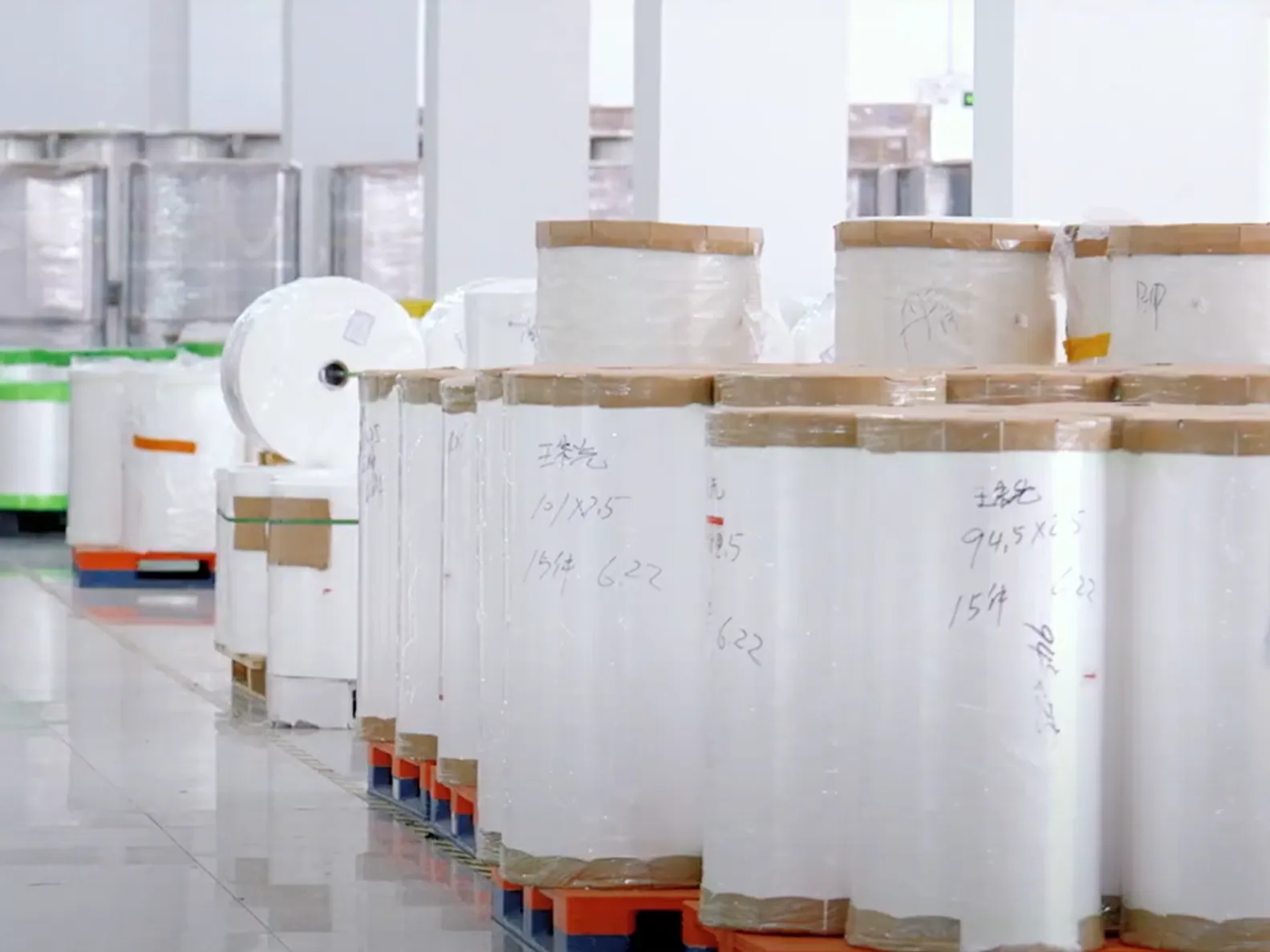
القدرات في مجال هندسة المواد
يجب على المصنع المؤهل أن يدرك ما يلي:
- تصميم الهياكل القابلة لإعادة التدوير
- تحسين الحواجز
- استراتيجيات تقليل السماكة
- التوافق المستدام بين المواد
تحدد هذه القدرة ما إذا كانت العبوات الصديقة للبيئة قادرة على العمل بشكل موثوق في بيئات التوزيع الفعلية.
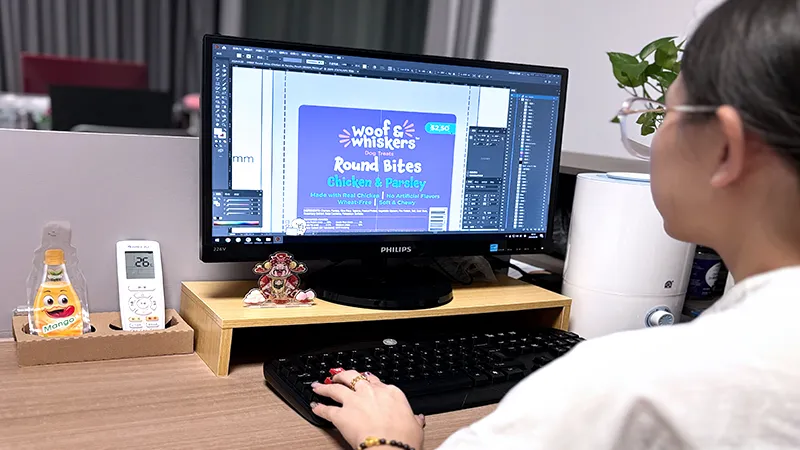
دعم تطوير منتجات OEM/ODM
تتطلب المنتجات المختلفة هياكل تغليف مختلفة.
محترف مورد متخصص في تغليف السوائل ينبغي أن يدعم:
- تطوير فوهات مخصصة
- تحسين البنية الخاصة بالمنتج
- تعديلات التوافق في التعبئة
- الهندسة المخصصة للتطبيقات
تزداد أهمية قدرات تصنيع المعدات الأصلية (OEM) في مجال تطوير التغليف المستدام.
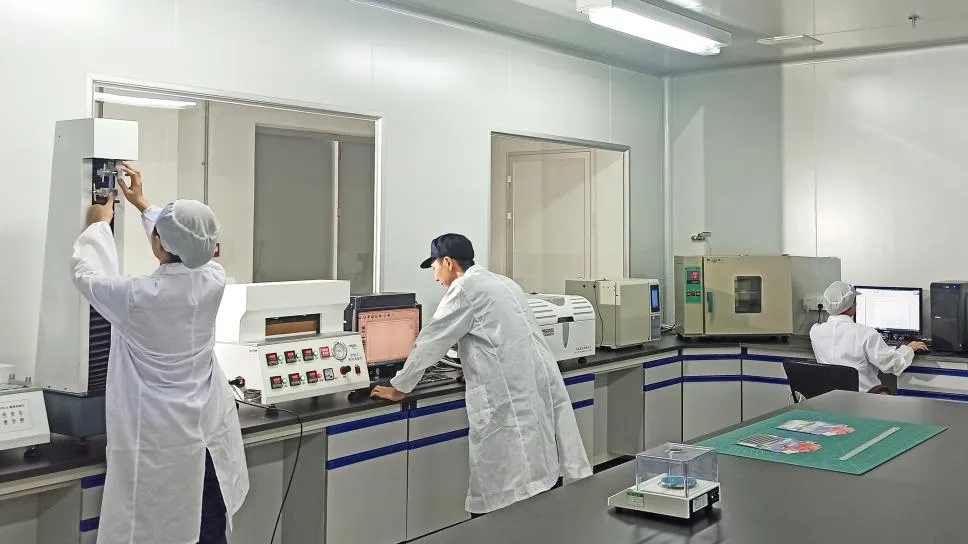
أنظمة مراقبة الجودة والامتثال
ينبغي على الشركات المصنعة الموثوقة القيام بما يلي:
- اختبار الترحيل
- اختبار سلامة الختم
- اختبارات OTR/MVTR
- التحقق المادي
إن الادعاءات المتعلقة بالاستدامة التي تفتقر إلى أنظمة الاختبار لا تتمتع إلا بقيمة تجارية محدودة.
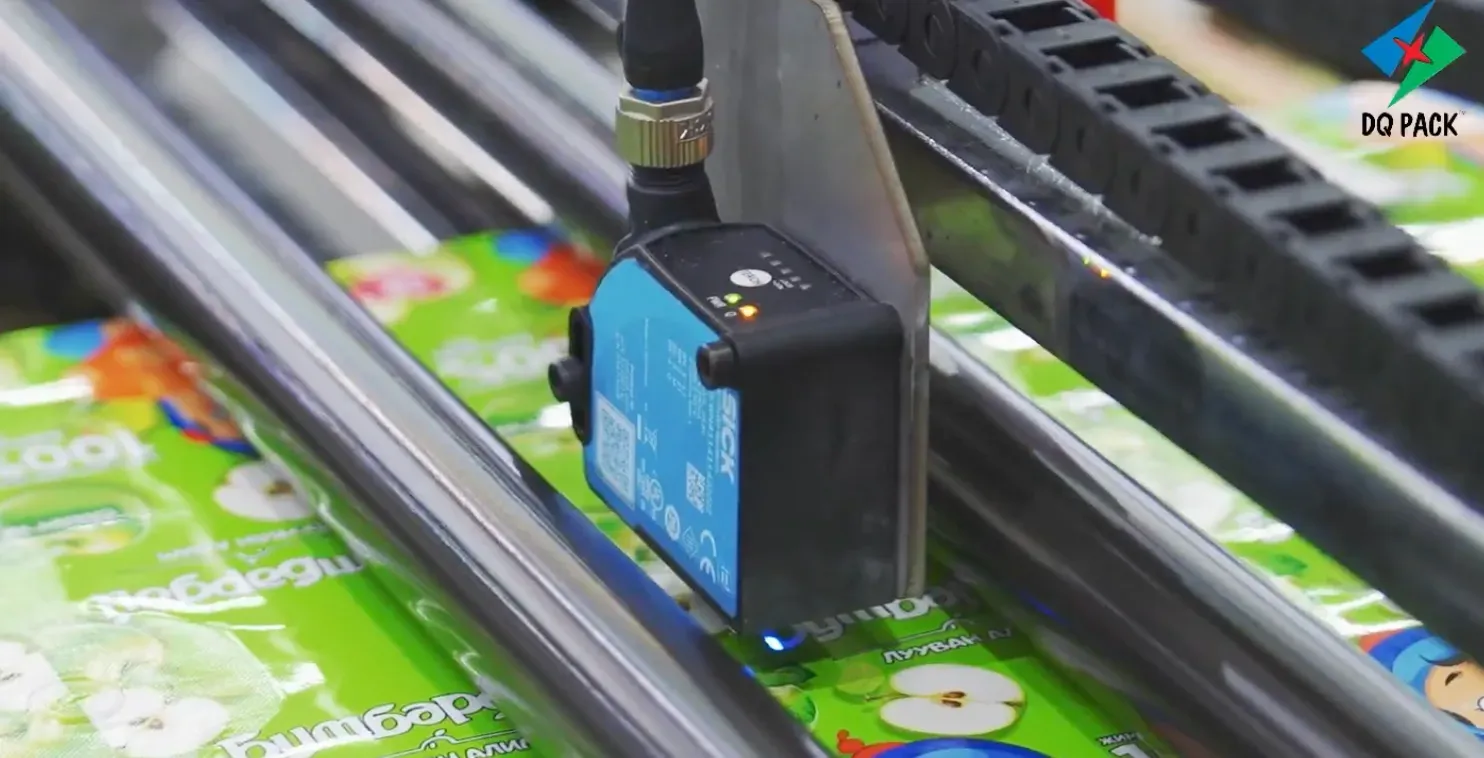
استقرار الإنتاج بكميات كبيرة
يمكن للعديد من الموردين إنتاج عينات من العبوات المستدامة. لكن عددًا أقل بكثير منهم قادر على الحفاظ على الاتساق أثناء الإنتاج الضخم.
محترف مورد أكياس ذات فوهة بالجملة يجب أن يثبت ما يلي:
- جودة ثابتة للدُفعات
- قدرة إنتاجية قابلة للتوسع
- موثوقية التسليم
- الخبرة في مجال التصدير
يُعد التنفيذ على نطاق صناعي هو العائق التنافسي الحقيقي.
الخلاصة: اتجاهات الاستدامة أصبحت معايير صناعية
تتجه الصناعة نحو:
- أنظمة المواد القابلة لإعادة التدوير
- تقنيات الطباعة القائمة على الماء
- الهياكل خفيفة الوزن
- أساليب إنتاج منخفضة الانبعاثات
ومع ذلك، فإن نجاح هذه الاتجاهات يعتمد بشكل كبير على تنفيذ عمليات التصنيع.
لن يكون قادة المستقبل في مجال تصنيع التغليف المستدام مجرد الشركات التي تدعي التزامها بالبيئة. بل سيكونون المصنعين القادرين على توفير ما يلي:
- عبوات قابلة لإعادة التدوير
- أداء إحكام ثابت
- اتساق الإنتاج القابل للتوسع
- الامتثال للوائح التنظيمية
- الموثوقية الصناعية
بالنسبة لعلامات الأغذية والمشروبات، أصبح اختيار الشريك المناسب في مجال التغليف الآن قرارًا يتعلق بالاستدامة واستراتيجية لسلسلة التوريد في آن واحد.
الأسئلة الشائعة
ما هي الأكياس ذات الفوهة القابلة لإعادة التدوير؟
عادةً ما تكون الحقيبة ذات الفوهة القابلة لإعادة التدوير عبارة عن هيكل مرن مصنوع من مادة واحدة ومصمم ليكون متوافقًا مع أنظمة إعادة التدوير الحالية، وغالبًا ما تُصنع من مواد تعتمد على البولي إيثيلين.
هل تعتبر الأكياس ذات الفوهة المصنوعة من مادة واحدة مناسبة لتعبئة السوائل؟
نعم، لكنها تتطلب أنظمة إحكام محسّنة وهندسة مواد لضمان الحفاظ على أداء كافٍ من حيث الحاجز والمتانة.
لماذا تُعد الأحبار المائية مهمة في مجال التغليف المستدام؟
تقلل الأحبار المائية من انبعاثات المركبات العضوية المتطايرة (VOC) وبقايا المذيبات، مما يجعل إنتاج العبوات أكثر أمانًا وأكثر توافقًا مع المعايير البيئية.
ما هي أكبر التحديات التي تواجه إنتاج الأكياس ذات الفوهة الصديقة للبيئة؟
وتشمل التحديات الرئيسية الحفاظ على أداء الحاجز، واتساق الإغلاق، واستقرار الإنتاج، مع تحسين قابلية إعادة التدوير في الوقت نفسه.
كيف تختار العلامات التجارية الغذائية موردًا للتغليف المستدام؟
ينبغي على العلامات التجارية تقييم القدرات الهندسية المتعلقة بالمواد، ودعم تطوير المنتجات من قبل الشركات المصنعة للمعدات الأصلية (OEM)، وأنظمة الاختبار، وشهادات الامتثال، واتساق الإنتاج على نطاق واسع.
نبذة عن DQ PACK
بصفتك مُصنِّع متخصص في أكياس الفوهة المصممة حسب الطلب, حزمة DQ نركز على تقديم حلول تغليف مرنة صديقة للبيئة وعالية الأداء للعلامات التجارية العالمية في قطاع الأغذية والمشروبات. نوفر التوريد المباشر من المصنع من خلال أنظمة إنتاج مستقرة، مما يضمن جودة ثابتة وأداءً قويًّا في الإغلاق، بالإضافة إلى توصيل موثوق به على نطاق واسع لعملاء قطاع الأعمال (B2B).
في حلول أكياس ذات فوهة من نوع OEM/ODMعلاوة على ذلك، نقدم أحجامًا وفوهات وحلولًا مخصصة للعلامات التجارية لتلبية احتياجات السوق المتنوعة. وبصفتنا موردًا موثوقًا به للأكياس المزودة بفوهات بالجملة، نساعد العلامات التجارية على تحقيق التوازن بين متطلبات الاستدامة والكفاءة من حيث التكلفة والقدرة التنافسية في السوق.