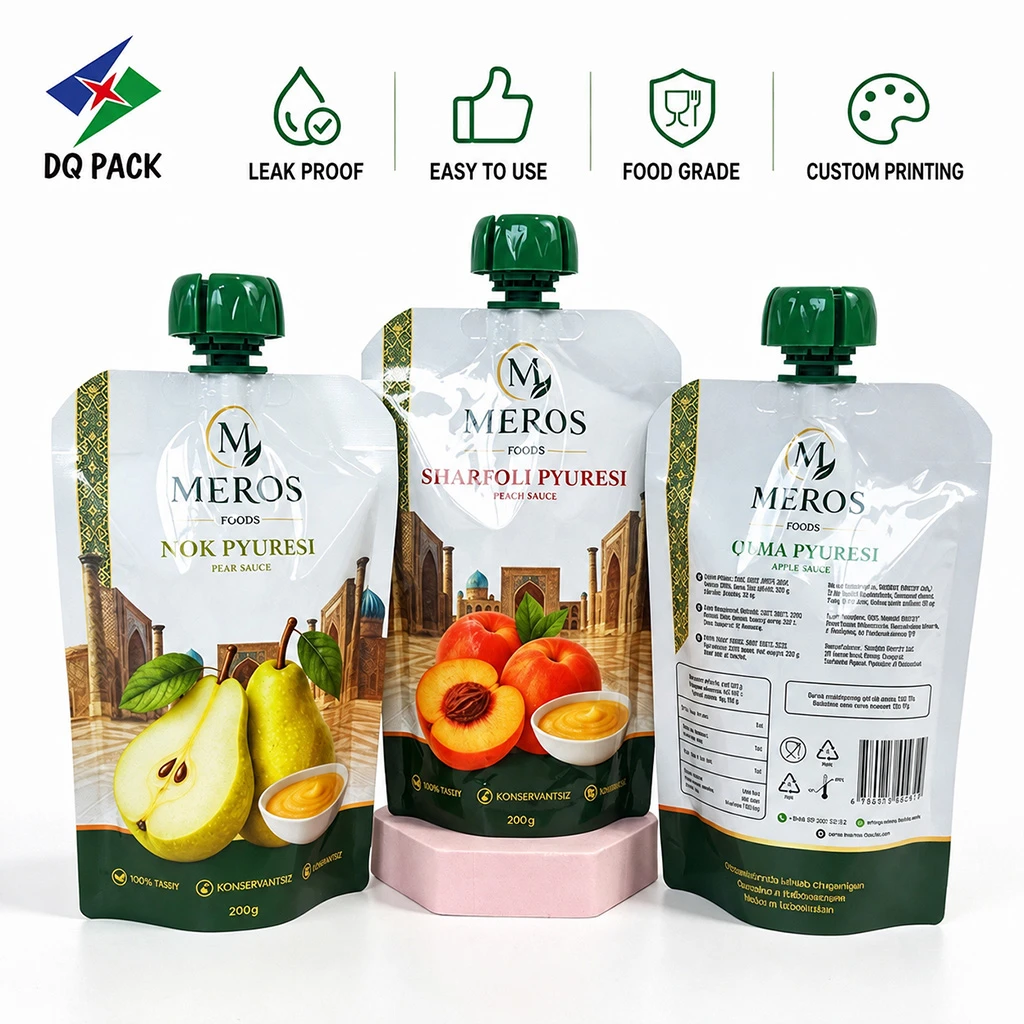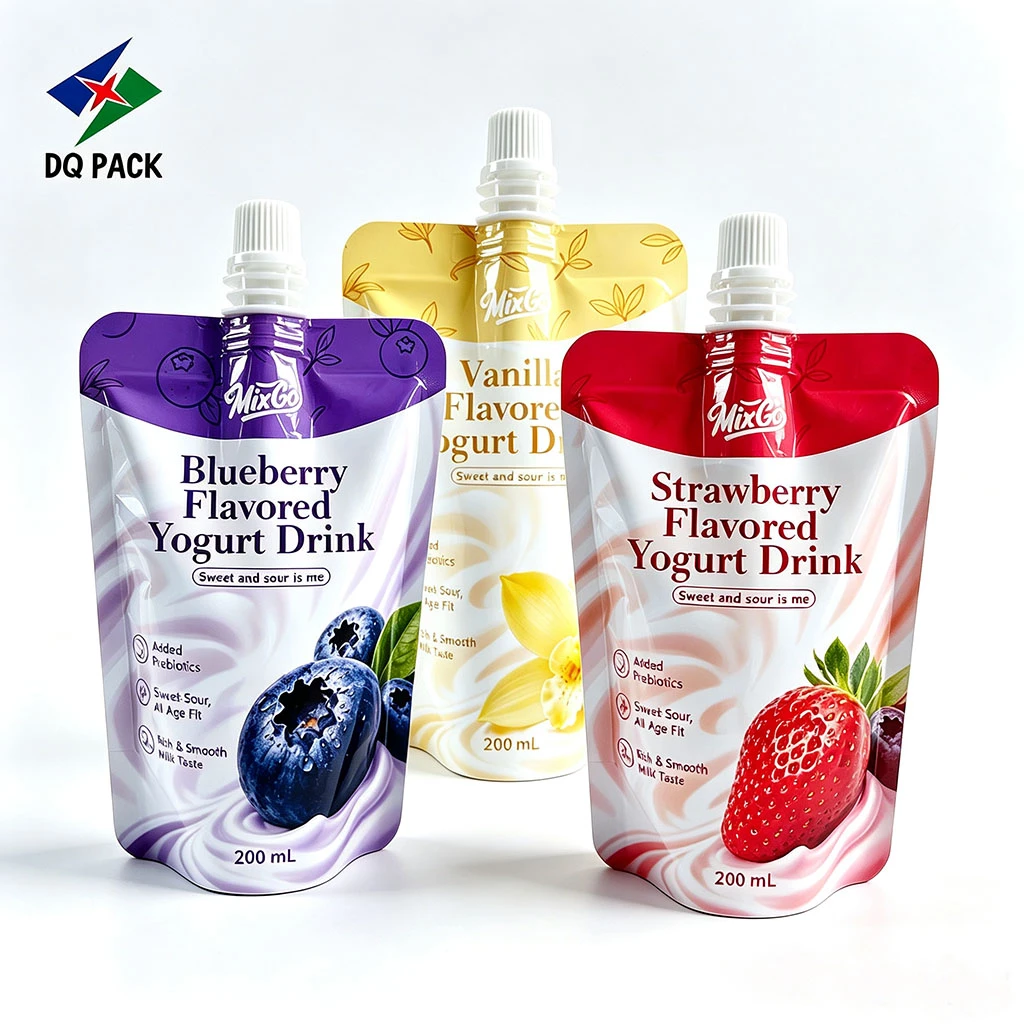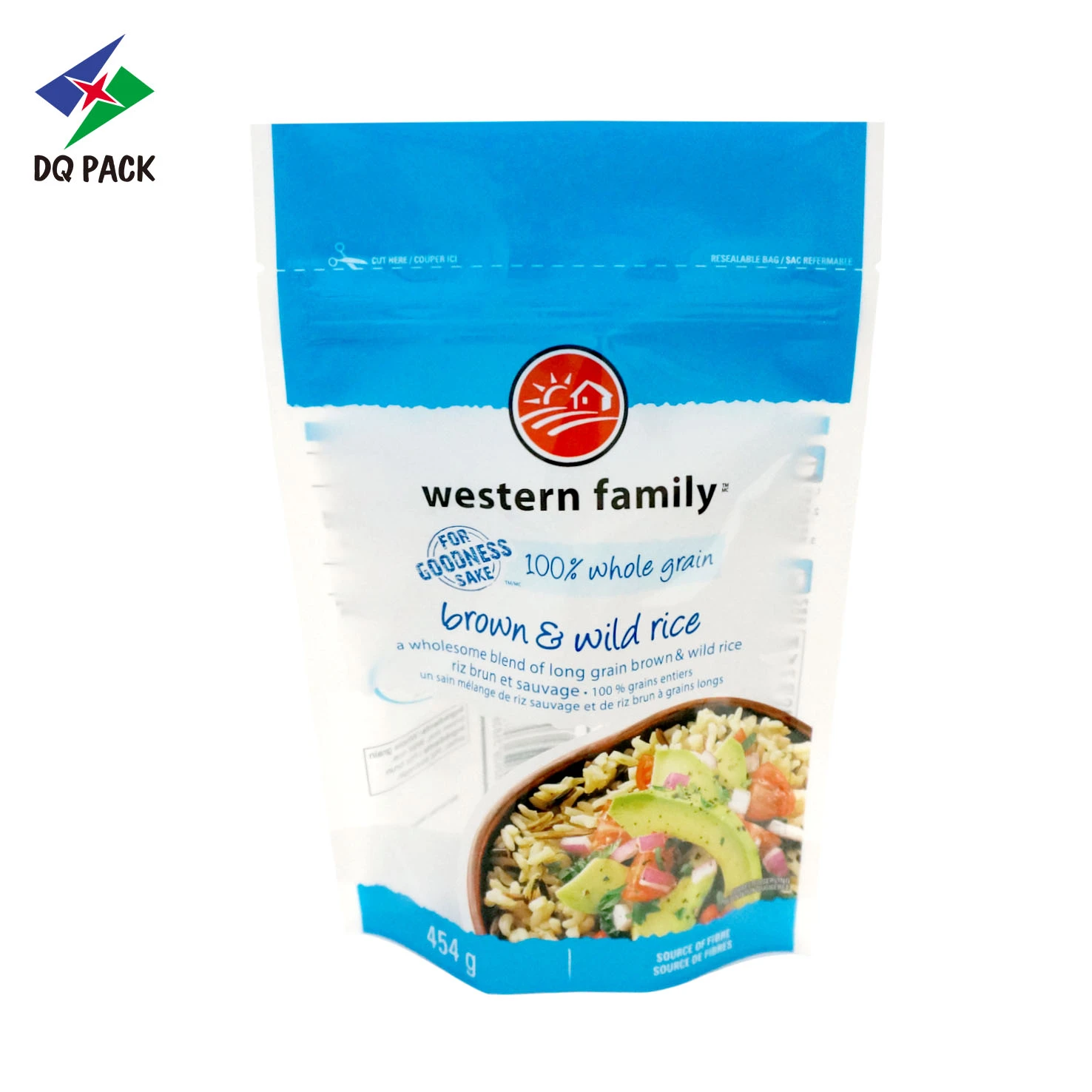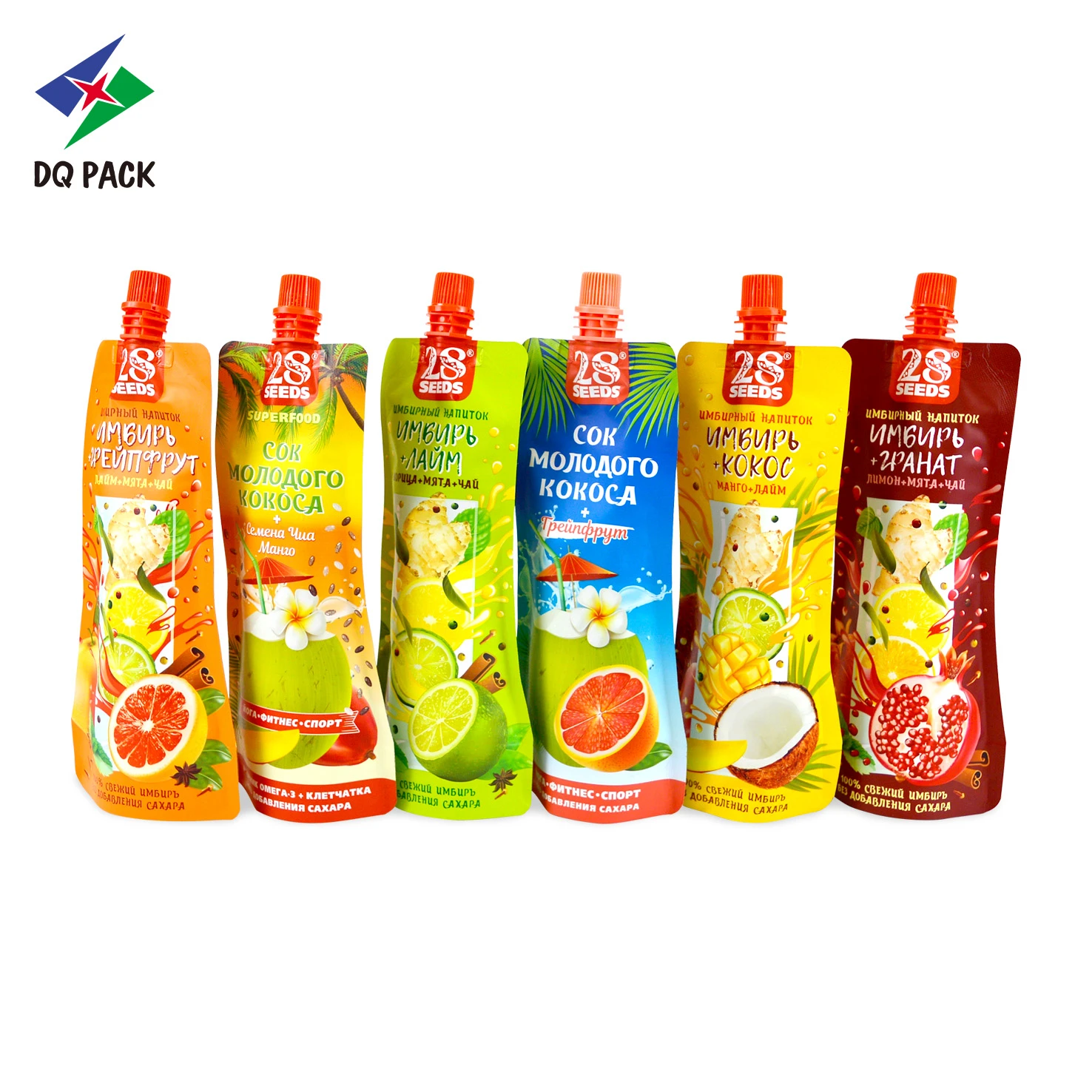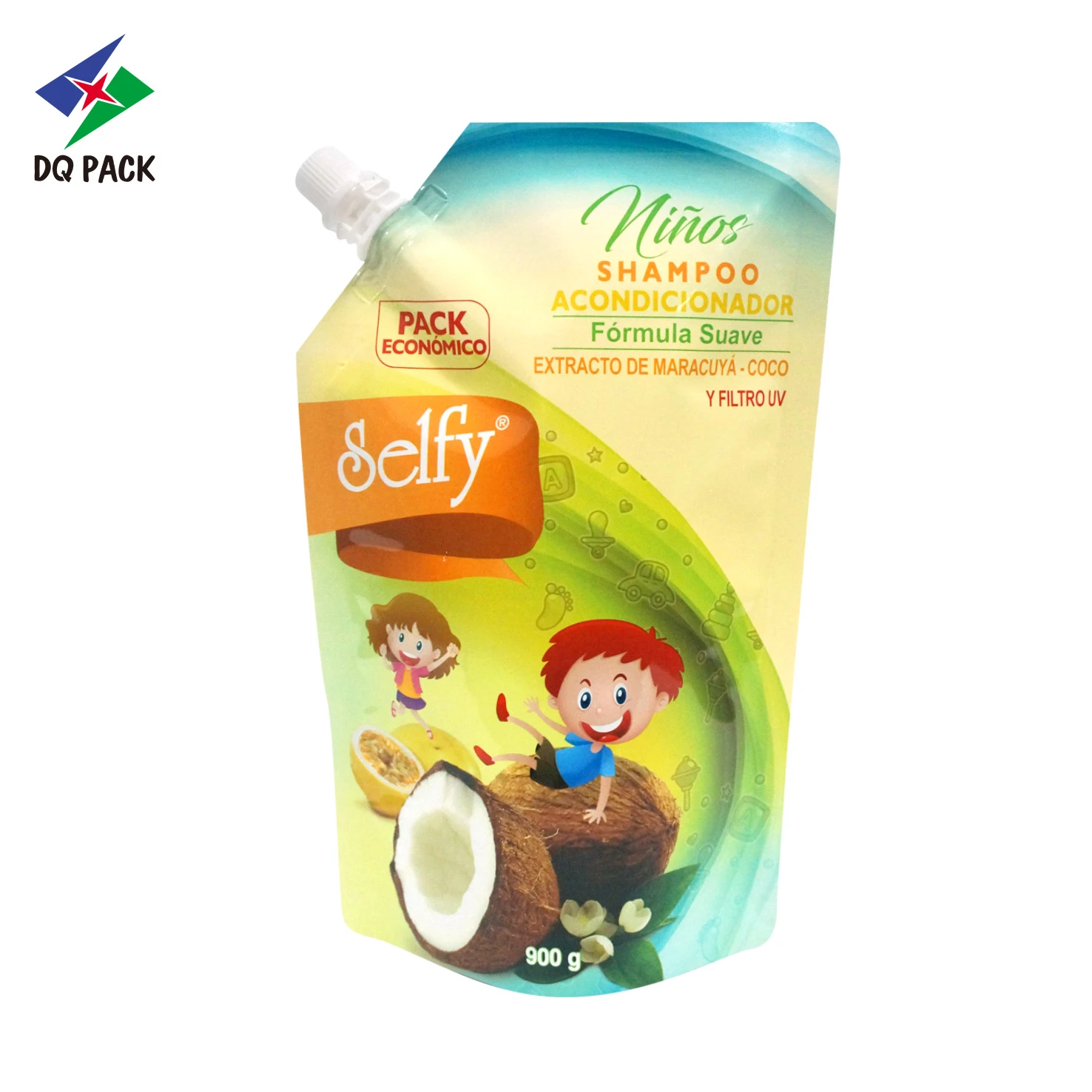


Упаковка в стоячих пакетах стал одним из наиболее быстрорастущих форматов упаковки в отраслях производства продуктов питания, напитков, кормов для домашних животных, нутрицевтиков и товаров для дома. По сравнению с жесткой тарой, стоячие пакеты позволяют сократить расход материала, снизить транспортные расходы и обеспечить отличную видимость товара на полке.
Однако выбор подходящего пакета — это лишь часть успешного процесса упаковки. Процесс наполнения напрямую влияет на качество продукции, срок хранения, эффективность упаковки и удовлетворённость клиентов. Ненадлежащие методы наполнения могут привести к загрязнению, неточностям в весе наполнения, нарушению герметичности, потере продукции и дорогостоящим простоям в производстве.
Независимо от того, занимаетесь ли вы фасовкой порошков, гранул, жидкостей или вязких продуктов, крайне важно понимать, как правильно осуществляется процесс наполнения стоячих пакетов. DQ PACK в ней рассказывается о том, как происходит наполнение стоячих пакетов, какое оборудование для этого используется, какие проблемы обычно возникают в процессе работы, а также о том, как производители упаковки помогают оптимизировать производительность.
Понимание областей применения пакетов с дозатором
Исходя из промышленной практики, пакеты с откидной горловиной широко используются для:
- Кофе
- Чай
- Протеиновые порошки
- Корм для домашних животных
- Закуски
- Замороженные продукты
- Соусы
- Пищевые добавки
- Концентраты напитков
Благодаря своей универсальности они подходят как для пищевых, так и для непищевых целей.
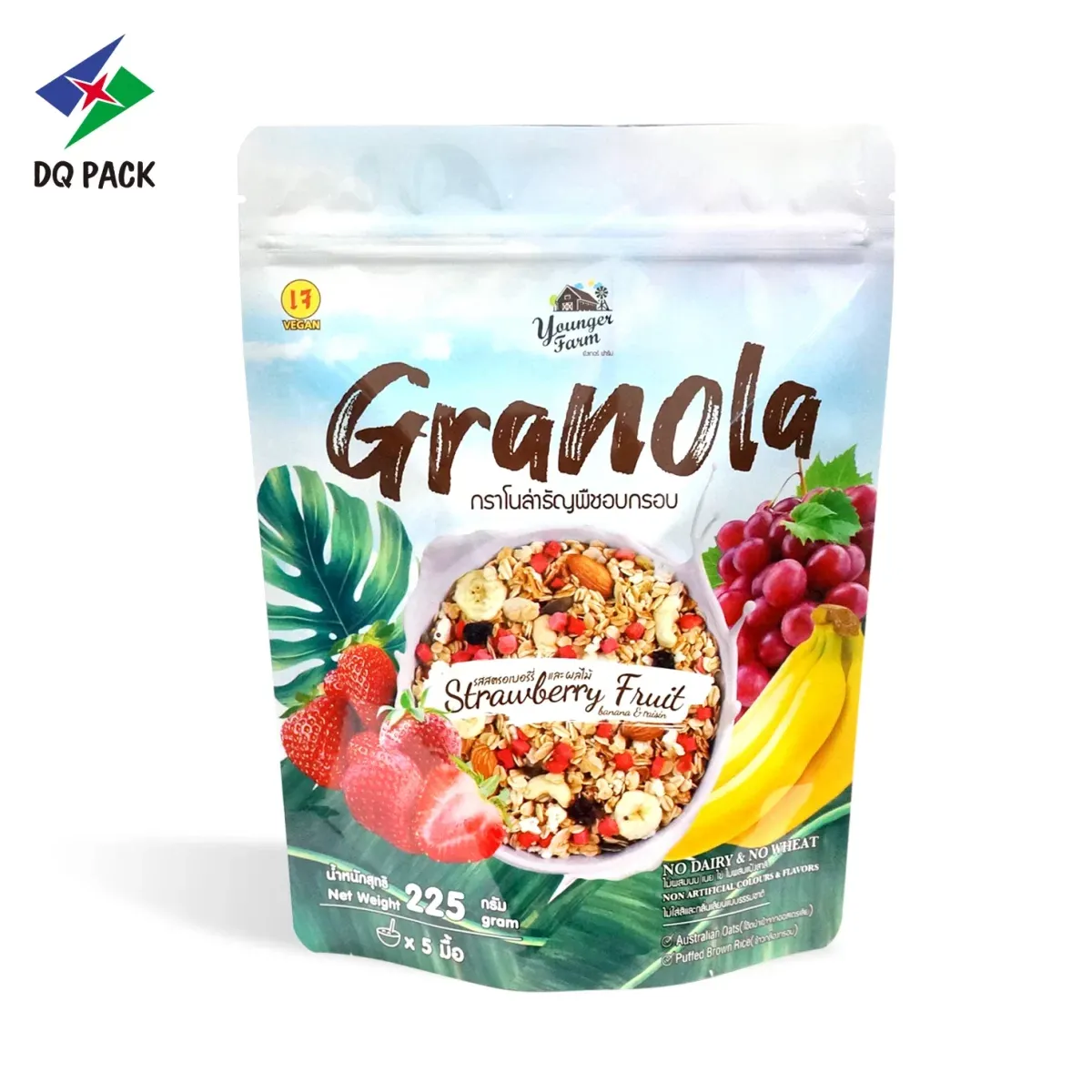
Распространенные типы пакетов-стоячек
В зависимости от требований к продукции доступны различные варианты конструкции пакетов.
Мешочки на молнии
Обеспечить возможность повторного закрытия для продуктов, которые используются в течение длительного времени.
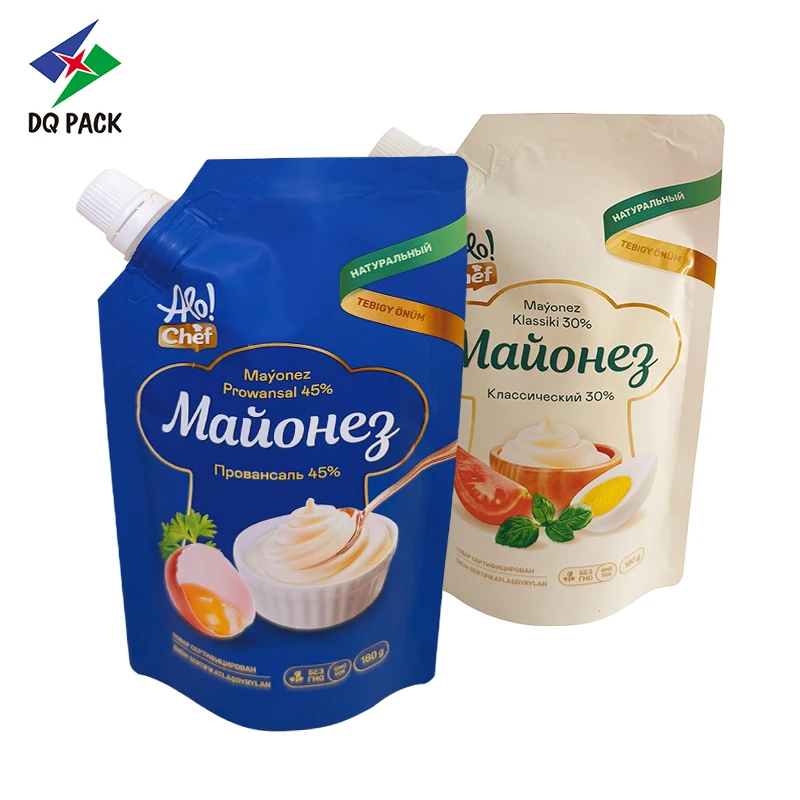
Пакеты с носиком
Часто используется для напитков, соусов, пюре и жидких продуктов.
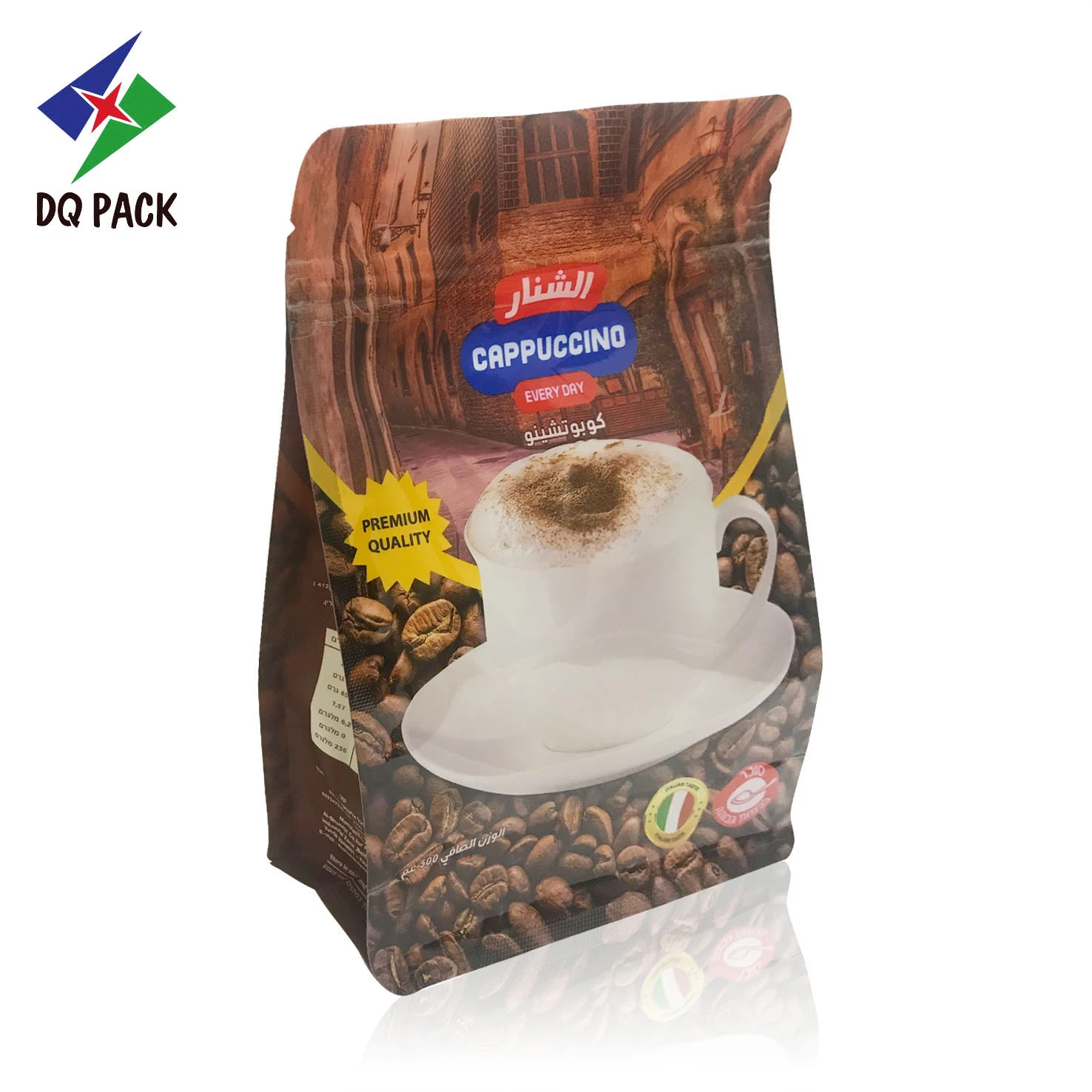
Пакеты с плоским дном
Обеспечивают превосходную стойкость при хранении и привлекательный внешний вид.
Пакетики для стерилизации
Предназначен для использования в процессах высокотемпературной стерилизации.
Основной процесс наполнения стоячих пакетов
Независимо от типа продукта, большинство заполнение готовых пакетов операции выполняются в аналогичной последовательности.
Шаг 1: Подготовка пакета
Перед началом производства пакеты необходимо проверить на наличие:
- Дефекты материала
- Качество печати
- Целостность уплотнительной зоны
- Согласованность размеров
Даже незначительные отклонения в размерах могут повлиять на производительность оборудования. Работая с опытным [производитель стоячих пакетов] помогает обеспечить стабильное качество пакетов и надежную работу оборудования.
Шаг 2: Раскрытие пакета
Перед наполнением упаковку необходимо правильно вскрыть.
В автоматических системах обычно используются:
- Вакуумные присоски
- Механические захваты
- Системы открывания с помощью струи воздуха
Правильное вскрытие пакета позволяет избежать ошибок при наполнении и перебоев в производстве.
Шаг 3: Наполнение продуктом
Продукт дозируется в пакет с помощью оборудования, соответствующего его физическим характеристикам.
К ключевым факторам относятся:
- Плотность продукта
- Сыпучесть
- Размер частиц
- Вязкость
Точное дозирование помогает сократить количество отходов и обеспечить соблюдение нормативных требований.
Шаг 4: Удаление воздуха и продувка газом
Для сохранения свежести многих продуктов необходимо ограничить их контакт с кислородом.
К распространенным методам относятся:
- Промывка азотом
- Наполнение с использованием вакуума
- Упаковка в модифицированной атмосфере (MAP)
Эти методы помогают сохранить качество продукции и продлить срок её хранения.
Шаг 5: Термосварка
После наполнения пакет запечатывается с помощью контролируемого нагрева и давления.
К ключевым параметрам уплотнения относятся:
- Температура
- Давление
- Время выдержки
- Ширина уплотнения
Неправильные настройки могут привести к утечке и преждевременному выходу изделия из строя.
Шаг 6: Контроль качества и вторичная упаковка
Готовые пакеты, как правило, проходят следующие этапы:
- Проверка веса
- Проверка герметичности уплотнений
- Обнаружение утечек
- Визуальный осмотр
Затем сертифицированная продукция упаковывается в картонные коробки и готовится к отправке.
Методы наполнения для различных типов продукции
Различные продукты требуют разных технологий розлива.
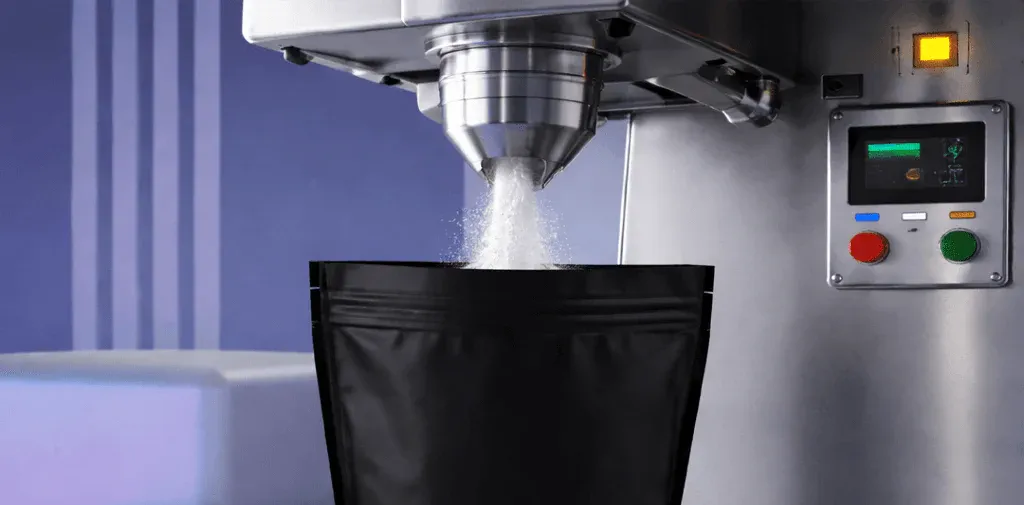
Наполнение порошком
К числу распространенных продуктов относятся:
- Протеиновые порошки
- Кофейный порошок
- Ингредиенты для выпечки
- Пищевые добавки
Рекомендуемое оборудование
Наиболее распространенным решением является машина для наполнения шнековым механизмом, в котором для точной дозировки средства используется механизм с вращающимся шнеком.
Основные проблемы
- Образование пыли
- Стабильность веса
- Остатки продукта вблизи уплотнительных зон
Надлежащие системы пылеудаления помогают поддерживать качество продукции и предотвращают проблемы с герметичностью.
Наполнение гранулами
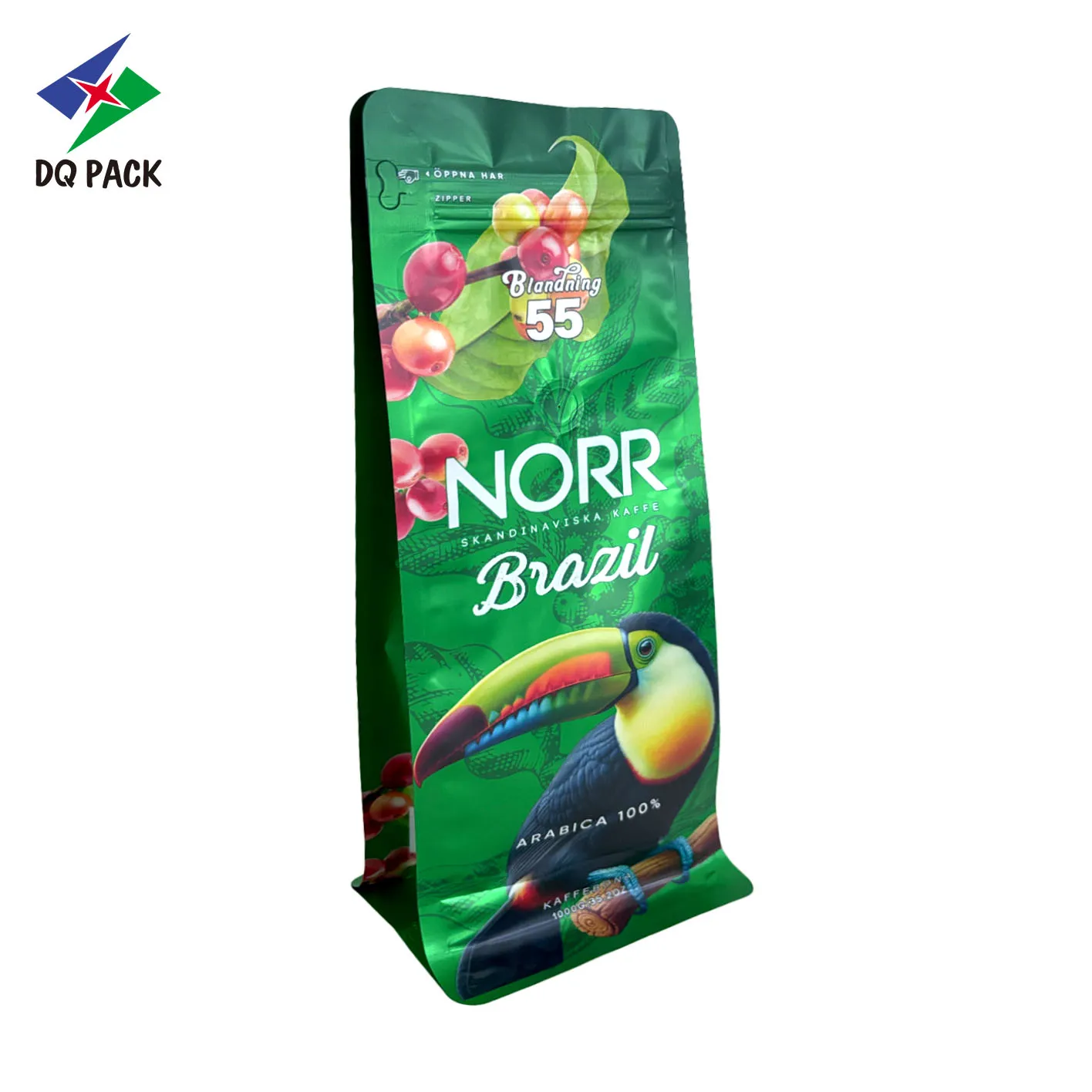
К гранулированным продуктам относятся:
- Кофейные зерна
- Рис
- Орехи
- Корм для домашних животных
- Семена
Рекомендуемое оборудование
Большинство производителей используют:
- Многоголовочные весовые дозаторы
- Линейные весовые дозаторы
- Объемные наполнители
Эти системы обеспечивают быструю и точную розливку, сводя к минимуму потери продукта.
Наполнение жидкостью
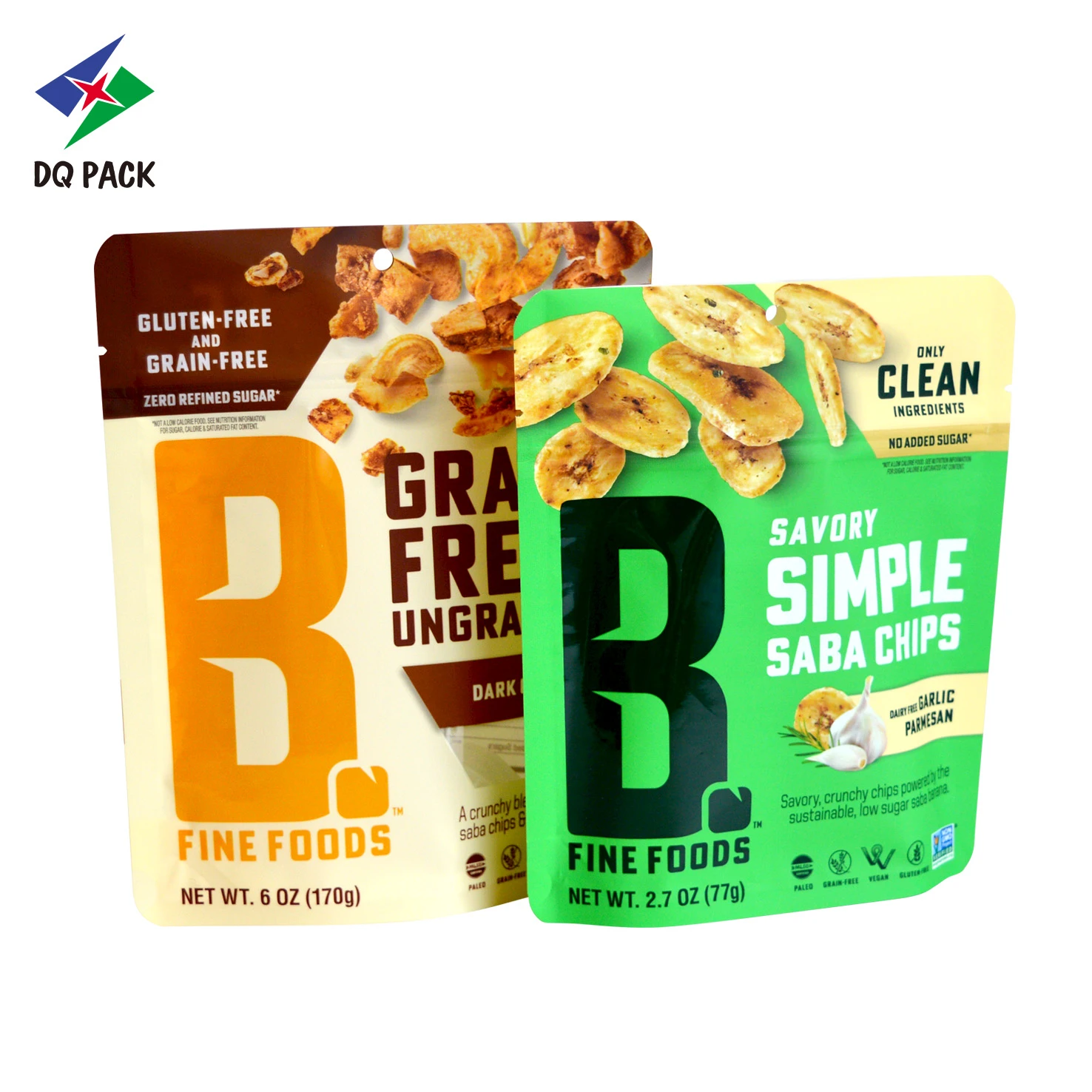
К типичным областям применения жидких составов относятся:
- Сок
- Соусы
- Приправы
- Бытовая химия
Рекомендуемое оборудование
Жидкие продукты обычно разливают с помощью:
- Поршневые наполнители
- Системы наполнения насосами
- Системы розлива с расходомером
Основные моменты
- Защита от брызг
- Соблюдение гигиенических норм
- Регулирование вязкости
- Точность заполнения
Наполнение пастообразными и вязкими продуктами
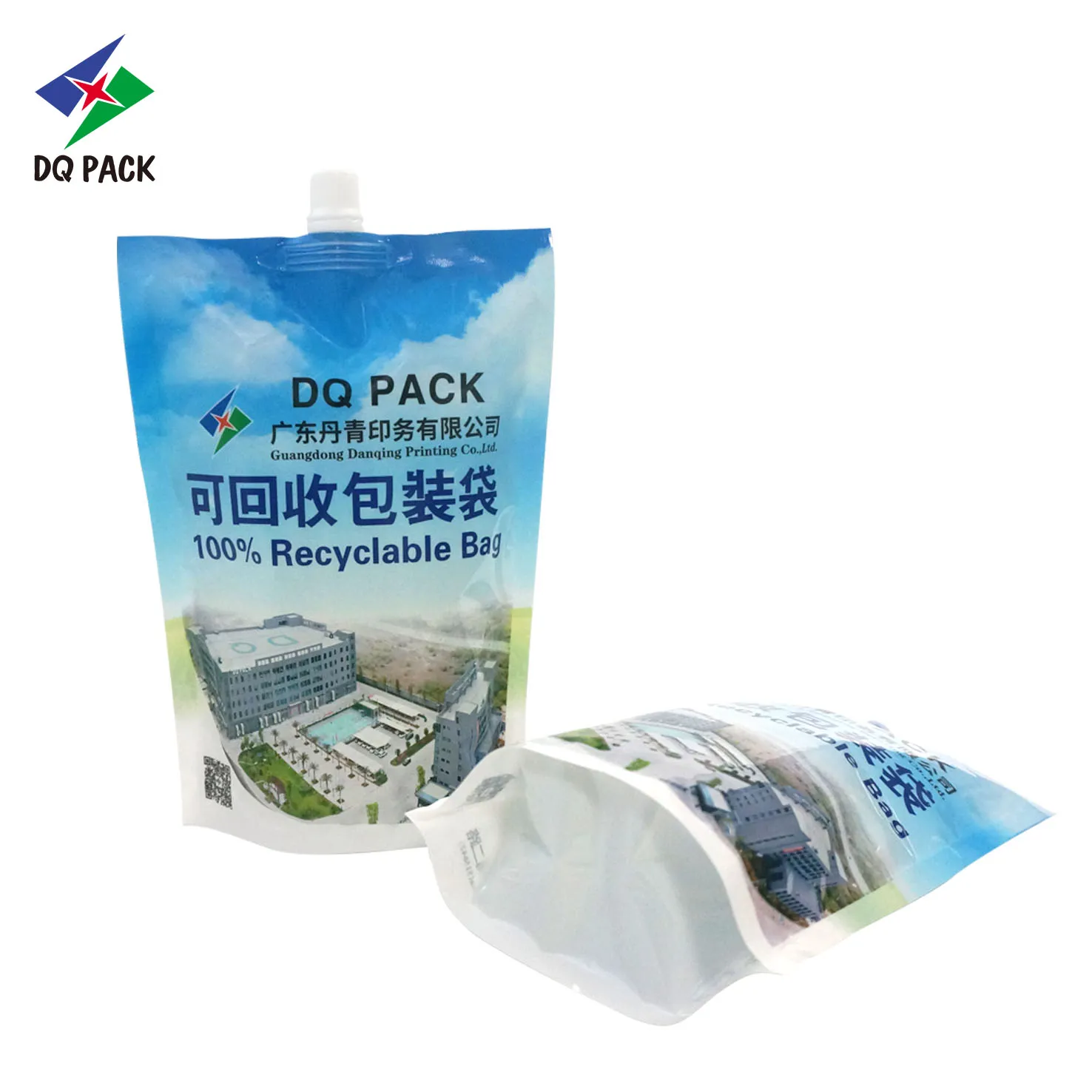
К примеру:
- Дорогая
- Арахисовое масло
- Пюре для детей
- Косметические кремы
Рекомендуемое оборудование
Для вязких продуктов обычно требуется:
- Поршневые розливные машины с сервоприводом
- Насосы прямого вытеснения
Эти системы обеспечивают точное наполнение и позволяют свести к минимуму потери продукта.
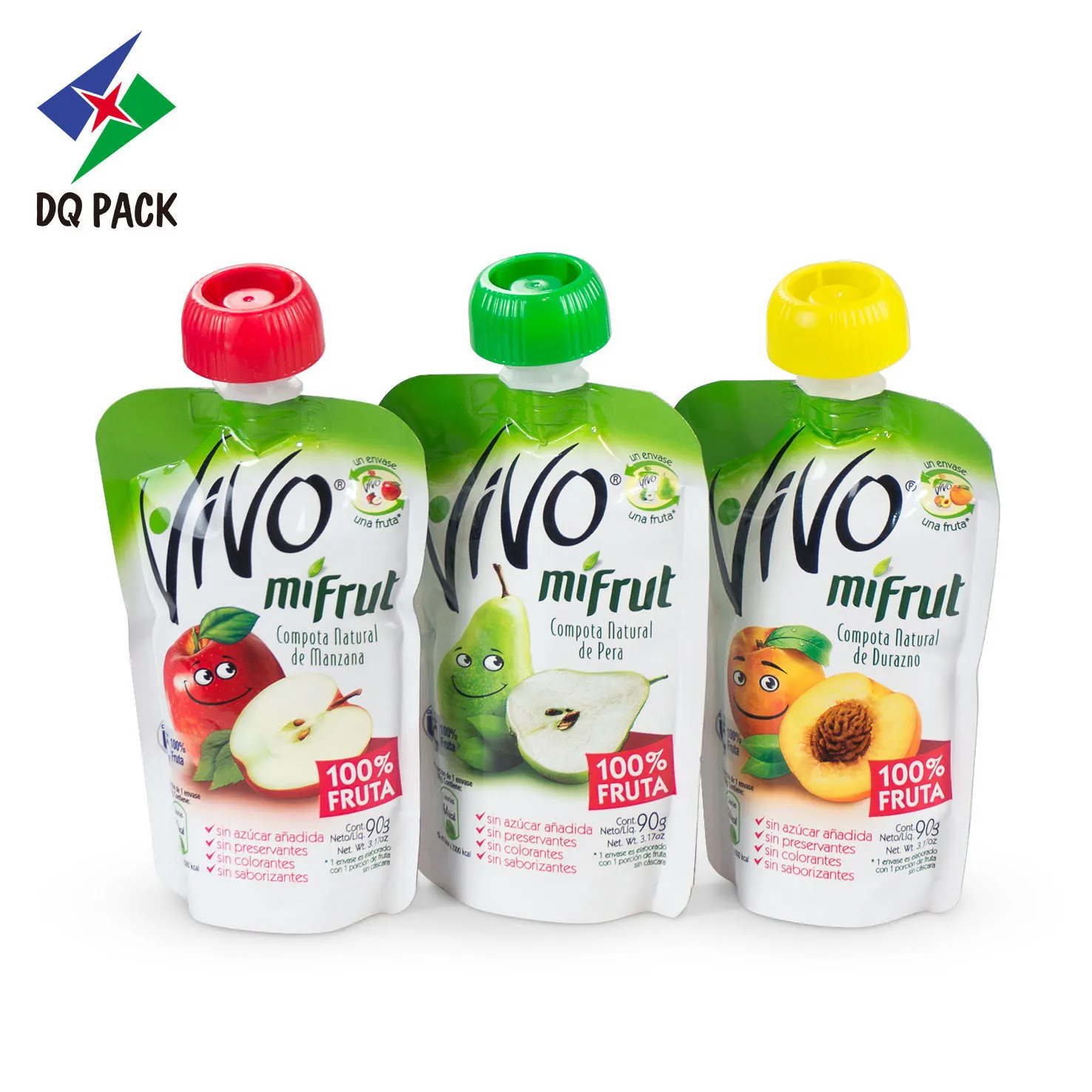
Ручное и автоматическое наполнение стоячих пакетов
Выбор оптимального решения для розлива зависит от объемов производства и целей бизнеса.
Системы ручного наполнения
Ручная заправка обычно используется для:
- Стартапы
- Мелкосерийное производство
- Тестирование продукции
Преимущества
- Низкие инвестиционные затраты
- Гибкость в эксплуатации
- Простая настройка
Ограничения
- Снижение производительности
- Увеличение потребности в рабочей силе
- Более высокая изменчивость
Полуавтоматические системы розлива
Полуавтоматические системы сочетают в себе ручную обработку пакетов с автоматической дозировкой.
Они часто подходят для растущих предприятий, переходящих на более высокие объемы производства.
Полностью автоматические машины для наполнения готовых пакетов
Автоматические системы выполняют:
- Кормление из пакетика
- Вступление
- Начинка
- Уплотнение
- Проверка
Преимущества
- Высокая скорость производства
- Снижение затрат на рабочую силу
- Стабильное качество
- Повышение эффективности
Сравнительная таблица
| Характеристика | Руководство | Полуавтоматический | Автоматический |
|---|---|---|---|
| Первоначальная стоимость | Низкий | Средний | Высокий |
| Скорость производства | Низкий | Средний | Высокий |
| Потребность в рабочей силе | Высокий | Средний | Низкий |
| Точность | Умеренный | Хорошо | Превосходно |
| Масштабируемость | Ограниченный | Умеренный | Превосходно |
Распространенные проблемы при заполнении форм и как их избежать
Даже на современных упаковочных линиях возникают проблемы с розливом.
1. Неточные данные о весе наполнителя
Распространенные причины
- Неправильная калибровка
- Изменение плотности продукта
- Износ оборудования
Решения
- Периодическая калибровка
- Статистический контроль производственного процесса
- Системы автоматического мониторинга
2. Разлив и загрязнение продукции
Разлив ведет к увеличению объема отходов и необходимости более тщательной уборки.
Методы профилактики
- Оптимизированные насадки для розлива
- Регулируемая скорость дозирования
- Точное позиционирование пакета
3. Низкое качество уплотнения
Ненадежные уплотнения могут негативно повлиять на срок хранения и безопасность продукции.
Распространенные причины
- Неправильная температура уплотнения
- Загрязнение продукта в местах уплотнения
- Недостаточное давление
Решения
- Испытание прочности уплотнения
- Оптимизация процессов
- Правильный выбор материала
4. Морщинистые или деформированные пакеты
Деформация часто возникает в результате:
- Переполнение
- Неправильные размеры пакета
- Существенные несоответствия
Профессионал Производитель индивидуальных стоячих пакетов могут разрабатывать конструкции пакетов, оптимизированные для автоматизированных операций по наполнению.
5. Остатки продукта в местах уплотнения
Порошки и соусы часто приводят к загрязнению вблизи зон уплотнения.
В число решений входят:
- Усовершенствованная конструкция сопла
- Системы очистки уплотнительных зон
- Оптимизированные параметры наполнения
Передовой опыт по повышению эффективности розлива
Обеспечивать бесперебойную подачу продукции
Колебания в потоке продукции негативно сказываются на точности розлива.
Производители должны контролировать:
- Содержание влаги
- Температура продукта
- Стабильность плотности
Оптимизация скорости и точности наполнения
Максимальная скорость не всегда обеспечивает максимальную эффективность.
Цель должна заключаться в сбалансированной оптимизации, которая позволяет сохранить качество продукции при одновременном увеличении производительности.
Согласовать конструкцию пакетов с оборудованием для наполнения
Размеры пакета напрямую влияют на:
- Производительность заправки
- Совместимость с оборудованием
- Качество уплотнения
Опытный [поставщик стоячих пакетов] можем порекомендовать конструкции пакетов, которые эффективно работают на конкретных системах розлива.
Проводить плановые проверки герметичности уплотнений
К распространенным методам тестирования относятся:
- Испытание на разрыв
- Вакуумная проверка герметичности
- Испытание прочности уплотнения
Эти процедуры помогают выявлять проблемы до того, как продукция поступит к покупателям.
Обеспечить контроль качества на всех этапах производства
Сильный контроль качества упаковки пищевых продуктов программы сокращают:
- Отходы продукции
- Жалобы клиентов
- Неисправности упаковки
Контроль качества должен быть интегрирован в каждый этап производства.
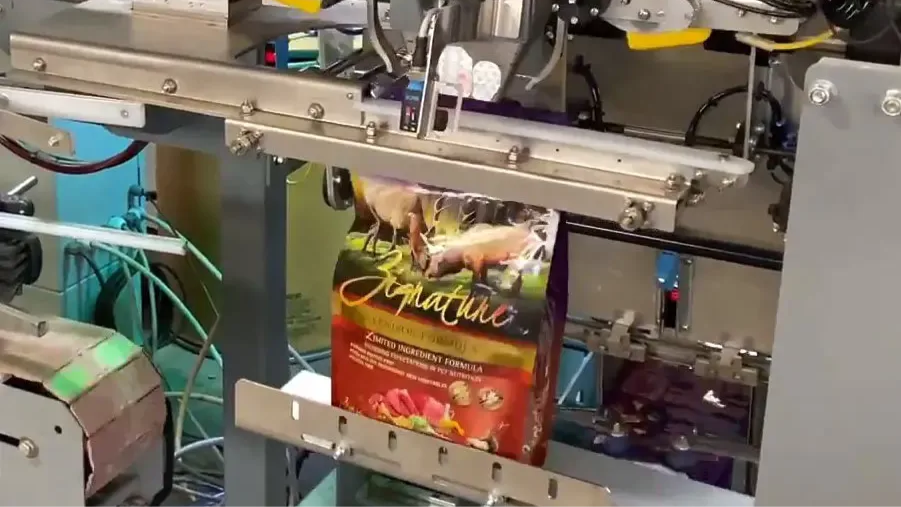
Важность правильного выбора материала для пакетов
Требования к ограждениям
Различные продукты требуют разных барьерных свойств.
Среди важных моментов следует отметить:
- Защита от проникновения кислорода
- Защита от влаги
- Сохранение аромата
Совместимость материалов с оборудованием для розлива
Использование некачественных материалов может привести к:
- Проблемы с кормлением
- Появление морщин
- Несоответствие уплотнения
Высококачественные пленки способствуют более плавному производственному процессу.
Безопасность пищевых продуктов и соблюдение нормативных требований
Упаковочные материалы должны соответствовать действующим нормам, касающимся контакта с пищевыми продуктами.
Надежные поставщики обеспечивают:
- Документация по обеспечению соответствия
- Технические характеристики материалов
- Сертификаты качества
Как производители упаковки способствуют повышению эффективности процессов розлива
Индивидуальный дизайн пакета для обеспечения эффективности наполнения
Производители упаковки могут оптимизировать:
- Размеры сумки
- Уплотнительные зоны
- Материальные структуры
- Совместимость с оборудованием
Решения по упаковке для OEM и ODM
Профессионал Производитель индивидуальных стоячих пакетов может предложить:
- Нестандартные размеры
- Индивидуальная печать
- Материаловедение
- Решения по упаковке для конкретных применений
Эти услуги помогают брендам повысить эффективность и улучшить характеристики продукции.
Стабильное качество и точность размеров
Для автоматических систем розлива крайне важны стабильные размеры.
Даже незначительные отклонения могут привести к:
- Ошибки подачи материала
- Несоосность
- Дефекты уплотнения
Техническая поддержка по оптимизации упаковочной линии
Ведущие производители упаковки часто сотрудничают с поставщиками оборудования с целью оптимизации:
- Эффективность заполнения
- Характеристики материала
- Качество уплотнения
Массовое производство и возможности глобальных поставок
Массовое производство позволяет:
- Стабильные поставки
- Стабильное качество
- Конкурентоспособные цены
Это особенно важно для развивающихся брендов и международных клиентов.
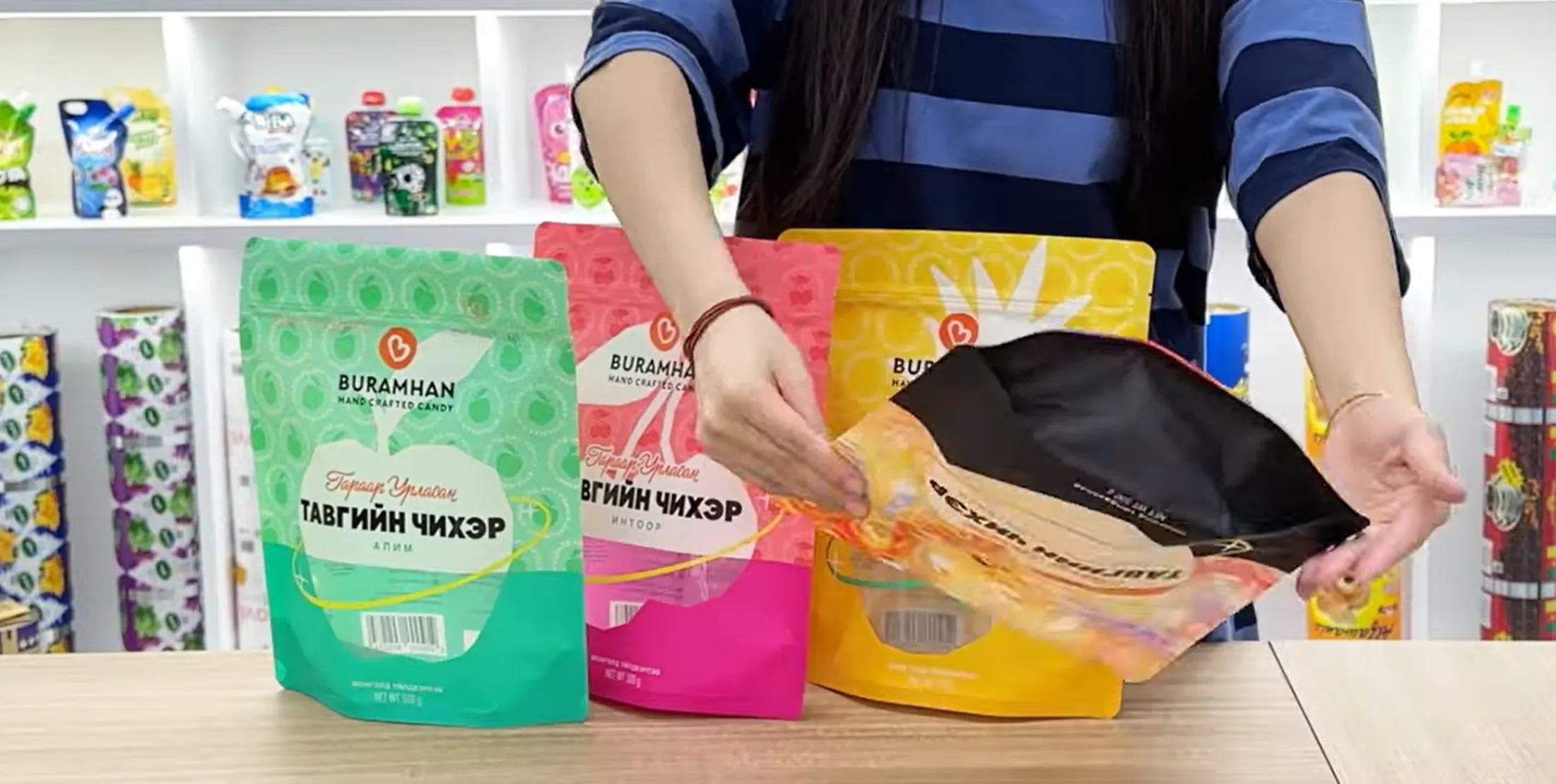
Заключение
Для успешного наполнения стоячих пакетов требуется гораздо больше, чем просто выбор пакета и наполнительной машины. На эффективность упаковки влияют такие факторы, как характеристики продукта, технология наполнения, конструкция пакета, структура материала и контроль качества.
Различные виды продукции требуют разных методов розлива, а упаковочные материалы должны быть совместимы как с самим продуктом, так и с производственной линией. Применяя передовые методы и сотрудничая с опытным партнером в сфере упаковки, компании могут повысить эффективность упаковочных процессов, сократить количество отходов и обеспечить стабильное качество продукции.
Надежный производитель стоячих пакетов может предоставить технические знания, индивидуальные решения и производственные возможности, необходимые для обеспечения эффективных и масштабируемых процессов упаковки.
О компании DQ PACK
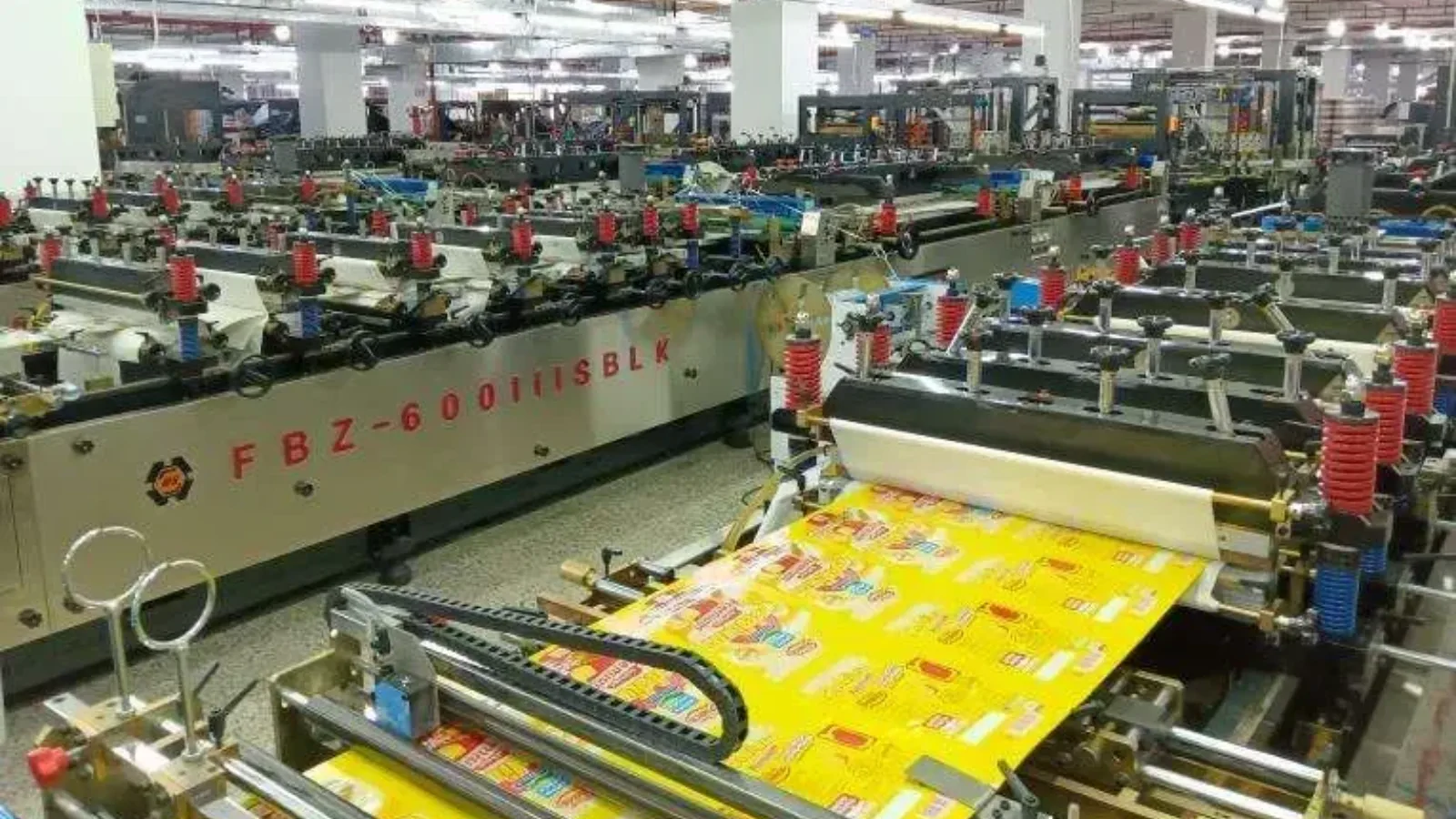
DQ PACK является профессионалом производитель гибкой упаковки Мы специализируемся на изготовлении пакетов-стоячек, пакетов с дозатором, пакетов для стерильной упаковки, упаковки для кофе, а также решений в области перерабатываемой упаковки для международных брендов в сфере продуктов питания, напитков, кормов для домашних животных и товаров широкого потребления. Являясь прямым производителем, располагающим современным производственным оборудованием и строгими системами контроля качества, мы гарантируем стабильное качество продукции, надежные сроки поставки и масштабируемые производственные мощности.
Наш сайт Услуги по производству пакетов с дозатором по схемам OEM и ODM разработку конструкции упаковки, индивидуальную печать, оптимизацию материалов и разработку решений для конкретных задач, чтобы помочь брендам повысить привлекательность продукции на полках, улучшить защиту товаров и повысить операционную эффективность. Обслуживая импортеров, дистрибьюторов, оптовиков и бренды частных торговых марок по всему миру, компания DQ PACK стремится предоставлять инновационные и экономически эффективные упаковочные решения, способствующие долгосрочному росту бизнеса.