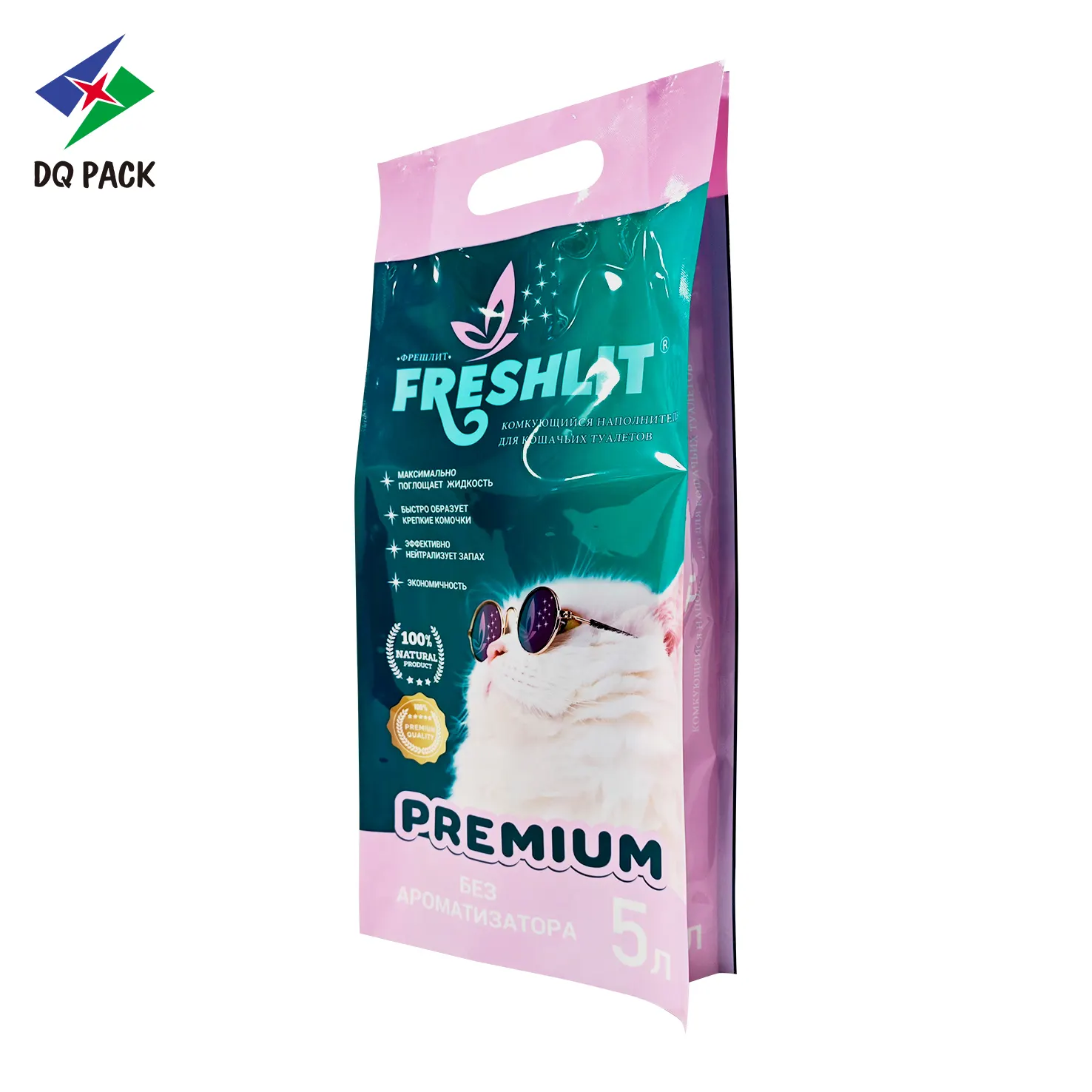


Flat-bottom pouches are ideal for premium dry pet food brands that need a stable base and multiple printable panels, while автономные пакеты offer flexible sizing and convenient resealable options. Choosing the right dry pet food packaging requires evaluating product weight, oxygen and moisture barriers, filling equipment, shelf presentation, and total packaging cost. DQ PACK, a производитель гибкой упаковки with over 30 years of manufacturing and export experience, provides customized pouch solutions to help pet food brands balance product protection, functionality, and brand appeal.
Why Does Dry Pet Food Packaging Matter?
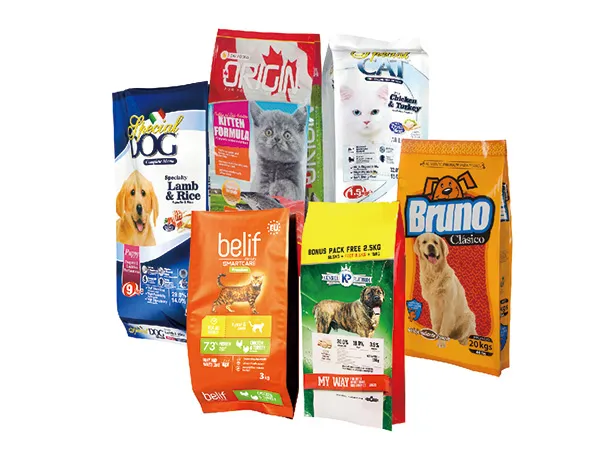
Dry pet food packaging protects product quality, supports brand recognition, and helps manufacturers deliver products efficiently from factory to consumer. The correct packaging structure must maintain the required barrier performance throughout storage and distribution while providing reliable seals and convenient opening and closing.
The market makes these decisions commercially important. According to FEDIAF’s 2026 European Pet Population and Market Data, European pet food sales reached €29.4 billion in 2024, with approximately 8.6 million tonnes of products sold annually. These figures demonstrate the scale of the market, although they do not represent global sales or the market size of dry pet food packaging alone.
For pet food brands, packaging decisions affect several business priorities:
- Product freshness: Appropriate oxygen and moisture barriers help protect fats, aromas, texture, and nutritional quality.
- Retail visibility: Clear branding and well-designed panels help shoppers identify products and compare options.
- Consumer convenience: Resealable closures and easy-open features support repeated use.
- Operational efficiency: Compatible pouch dimensions and seals reduce filling difficulties and packaging waste.
- Cost management: Material selection, bag dimensions, order quantities, and production efficiency all influence unit cost.
Effective упаковка для сухих кормов для домашних животных therefore requires more than selecting an attractive bag. Buyers need a packaging specification that meets product, production, and commercial requirements.
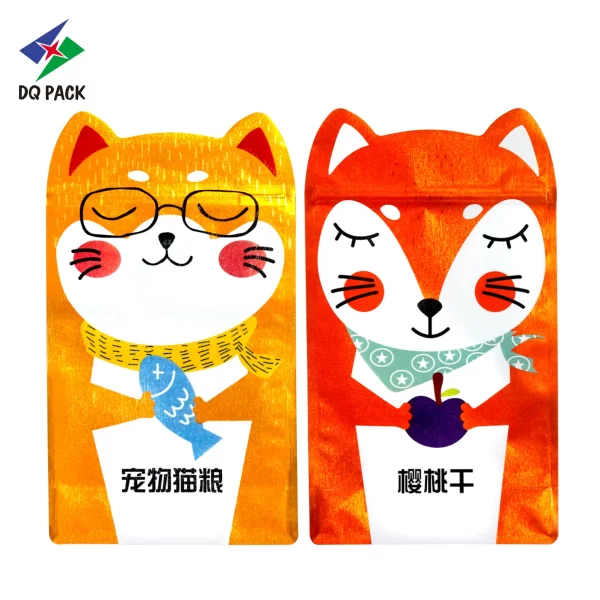
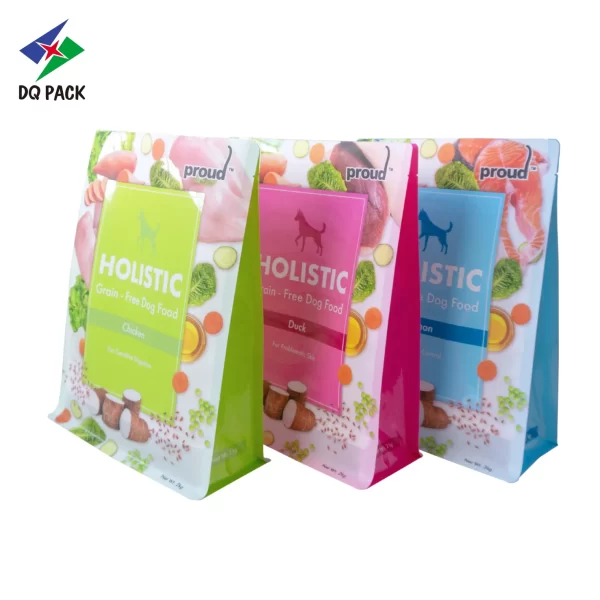
What Is a Flat-Bottom Pouch for Dry Pet Food?
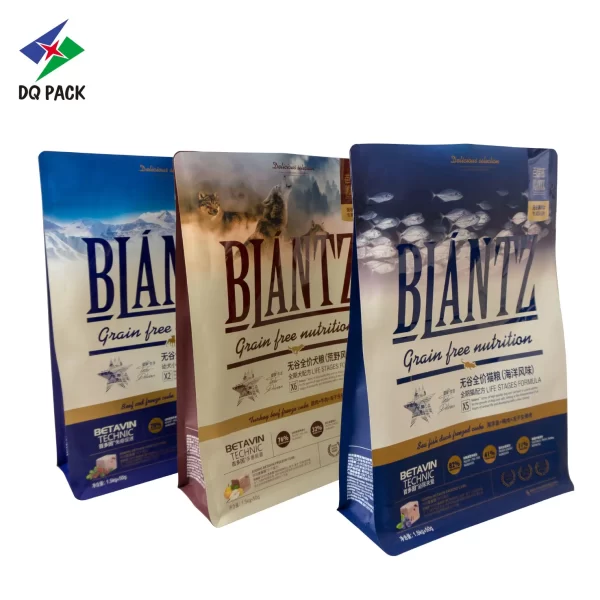
A flat-bottom pouch is a flexible bag with a broad, flat base and side gussets that allow it to stand upright. Its structured shape provides a stable retail presentation and multiple printable panels, making it suitable for premium dry dog food, cat food, and specialized pet nutrition products.
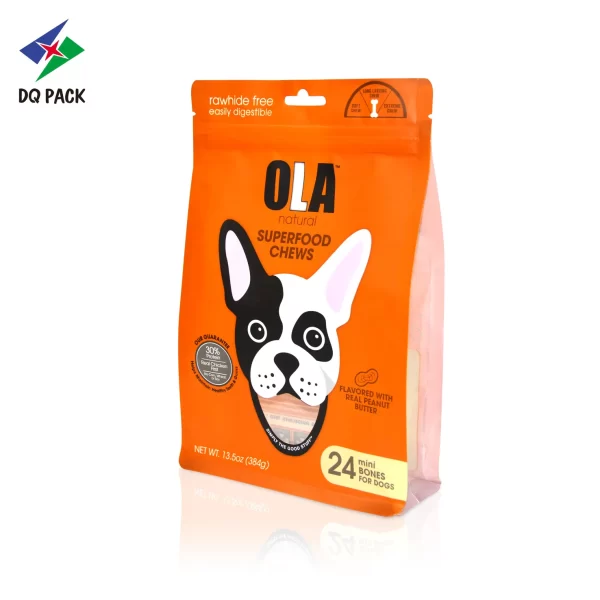
Flat-bottom pouches are also called box pouches or, in some configurations, eight-side-seal bags. Exact constructions vary by manufacturer, so buyers should confirm the pouch structure rather than relying on the name alone.
What are the main advantages?
- Stable shelf display: The flat base helps the filled bag stand upright on retail shelves.
- More branding space: Front, back, side, and bottom panels create additional opportunities for product information and brand graphics.
- Premium appearance: The box-like shape supports a structured presentation for premium and specialty products.
- Гибкая настройка: Buyers can specify dimensions, laminate structures, zipper closures, surface finishes, and printed designs.
What should buyers consider?
Flat-bottom pouches may involve more complex converting and sealing requirements than simpler pouch formats. Their actual cost depends on dimensions, material composition, construction, order quantity, and production specifications.
For dry pet food brands, the key question is whether the additional shelf presence and branding space justify the total packaging cost.
What Is a Stand-Up Pouch for Dry Pet Food?
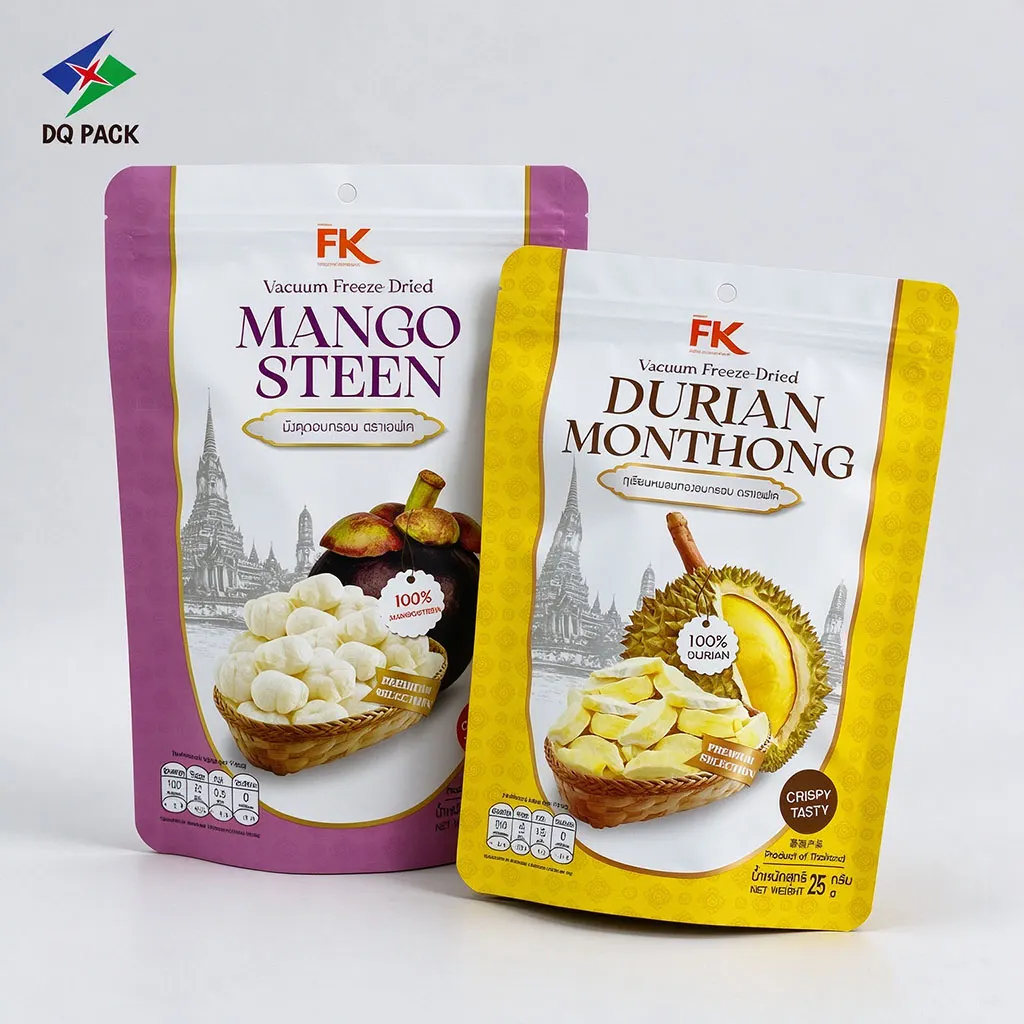
A stand-up pouch is a flexible bag with a bottom gusset that expands when filled, allowing the package to stand upright. It offers a versatile format for dry pet food, treats, and smaller retail packs, with customization options for resealable closures, tear notches, and printed graphics.
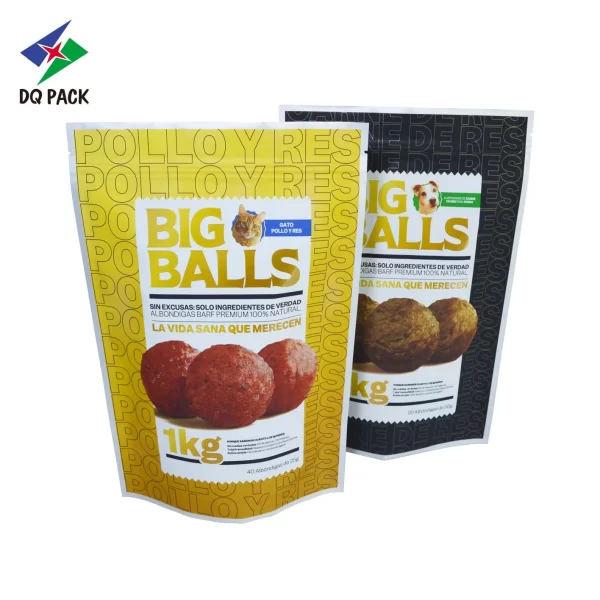
Stand-up pouches are widely used when brands need a flexible packaging format across different product sizes and price points.
What are the main advantages?
- Flexible product sizing: The format can accommodate different dimensions and fill weights.
- Consumer convenience: Zippers and tear notches can make opening and resealing easier.
- Retail visibility: The front panel provides a clear area for logos, product names, and key claims.
- Design flexibility: Custom printing, matte or glossy finishes, and different laminate structures support different brand identities.
- Product range consistency: Brands can develop a coordinated family of pouches for different recipes, flavors, or product lines.
What are the limitations?
A stand-up pouch may offer less structured presentation and less usable panel space than a flat-bottom pouch of comparable capacity. Stability also depends on the pouch dimensions, gusset design, filling weight, and product distribution.
For large or heavy packs, buyers should test filled-package stability and handling performance before approving mass production.
How Do Flat-Bottom and Stand-Up Pouches Compare?
Flat-bottom and stand-up pouches serve overlapping purposes, but they differ in structure, presentation, and production considerations. The best choice depends on the product specification and the priorities of the brand.
| Comparison factor | Flat-bottom pouch | Stand-up pouch |
|---|---|---|
| Base structure | Broad, flat base with side gussets | Expanding bottom gusset |
| Shelf stability | Strong, structured presentation when properly designed | Good when dimensions and gusset are matched to the fill |
| Branding area | Multiple panels, including side panels | Primarily front and back panels |
| Brand positioning | Often suited to premium retail products | Suitable for a broad range of market segments |
| Product sizes | Suitable for various sizes, subject to construction | Suitable for various sizes, subject to construction |
| Resealable options | Available with compatible designs | Available with compatible designs |
| Manufacturing considerations | More complex pouch construction and sealing | Construction depends on gusset and seal design |
| Стоимость | Depends on size, structure, material, and order volume | Depends on size, structure, material, and order volume |
| Best selection criterion | Structured display and expanded branding | Flexible packaging design and convenient everyday use |
Neither format automatically provides better oxygen protection, moisture resistance, or shelf life. These properties depend primarily on the selected laminate, seals, closure design, and packaging performance under actual storage conditions.
Which Pouch Is Better for Different Dry Pet Food Products?
Flat-bottom pouches are a strong choice for premium brands that prioritize structured shelf presentation, while stand-up pouches suit brands seeking versatile packaging across different products and pack sizes. However, product weight, kibble characteristics, sales channels, and filling equipment must also determine the final choice.
Use the following guidelines when developing a packaging specification.
1. Premium dry dog food and cat food
Choose a flat-bottom pouch when the product needs a structured, premium appearance and additional space for branding, nutritional information, and product differentiation.
For larger packs, confirm the filled bag’s stability, seal strength, and resistance to damage during handling.
2. Small retail packs and specialty recipes
A stand-up pouch is a practical option for smaller packs, specialty recipes, and product ranges that require multiple designs. Its flexible construction supports different pouch dimensions and resealable features.
3. Dry pet treats
Stand-up pouches are suitable for many treat products because they support convenient opening, resealing, and attractive retail presentation. Material requirements should reflect the product’s fat content, aroma sensitivity, and expected storage conditions.
4. Large-volume or bulk-oriented products
Do not select a pouch solely because it looks larger or has a wider base. Compare the required fill weight, package dimensions, seal configuration, transport conditions, and compatibility with the existing filling line.
For high-volume products, conduct filling and distribution trials before choosing a final format.
Which Materials Protect Dry Pet Food Best?
The best material structure is the one that meets the product’s verified barrier and mechanical requirements without unnecessary cost. Dry kibble often needs protection against moisture and oxygen, while fatty recipes may require particular attention to oxidation and aroma retention.
Common flexible packaging materials serve different purposes:
| Материал | Typical function | Purchasing consideration |
|---|---|---|
| ПЭТ | Outer printing layer, stiffness, and mechanical support | Suitable for clear graphics and consistent presentation |
| Физическая культура | Heat-sealing layer and flexibility | Seal performance must match the filling and sealing process |
| PA (нейлон) | Toughness and puncture resistance | Useful when handling conditions create higher mechanical demands |
| Metallized film | Enhanced barrier against moisture, oxygen, and light, depending on construction | Confirm performance of the complete laminate |
| Алюминиевая фольга | High barrier against oxygen, moisture, and light | Evaluate protection requirements, cost, and end-of-life considerations |
| Mono-material PE structures | Potentially improved compatibility with PE recycling streams where collection and recycling systems support them | Confirm the complete structure meets performance and local recyclability requirements |
A PET/PE laminate may suit some applications, while PET/PA/PE or foil-containing structures may be appropriate when stronger mechanical protection or higher barrier performance is required. These are starting points for evaluation, not universal specifications.
How should buyers evaluate barrier performance?
Ask the supplier to specify and, where necessary, test:
- OTR (скорость передачи кислорода): Measures the rate at which oxygen passes through a material under defined test conditions.
- WVTR (Water Vapor Transmission Rate): Measures the rate at which water vapor passes through a material under defined test conditions.
- Seal strength and integrity: Help assess whether the finished pouch can maintain a reliable closure.
- Puncture and mechanical resistance: Help evaluate whether the package can withstand filling, transport, and handling.
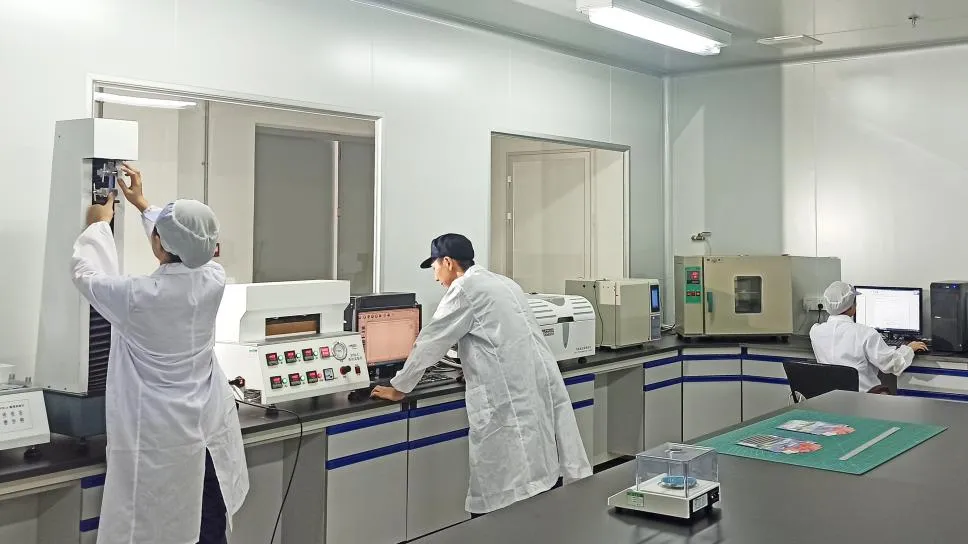
Request the test conditions and units alongside the results. OTR and WVTR depend on factors such as temperature, relative humidity, film thickness, and test method.
Most importantly, do not equate film test results directly with a guaranteed shelf life. The finished package, seal quality, product formulation, filling conditions, and storage environment all affect product performance.
How Can Buyers Choose the Right Pouch Step by Step?
B2B buyers should choose упаковка для сухих кормов для домашних животных by defining the product requirements first, comparing pouch structures second, and validating the finished package before mass production. This process reduces the risk of choosing a visually appealing bag that performs poorly on the filling line or during distribution.
Follow these six steps.
Step 1: Define the product and fill weight.
Specify whether the package will contain dry dog food, cat food, treats, or another product. Confirm the target fill weight, kibble size, bulk density, fat content, and expected storage period.
Step 2: Set the protection requirements.
Determine the required oxygen and moisture barrier, seal integrity, light protection, and mechanical strength. Use product shelf-life targets and test data to establish the specification.
Step 3: Choose the pouch format.
Select a flat-bottom pouch when structured presentation and multiple branding panels are priorities. Choose a stand-up pouch when a versatile, resealable format meets the product and retail requirements.
Step 4: Confirm filling-line compatibility.
Provide the packaging manufacturer with information about the filling machine, sealing method, pouch dimensions, filling speed, and handling process. Check whether the pouch can be opened, filled, and sealed reliably on the intended equipment.
Step 5: Compare total packaging cost.
Compare quotations for equivalent specifications, including dimensions, laminate structure, printing, closure features, order quantity, and freight. A lower unit price is not necessarily the lowest overall cost if it increases waste, downtime, or product damage.
Step 6: Approve samples and conduct trials.
Evaluate filled-package stability, sealing performance, drop and handling resistance, print quality, and closure usability. Where shelf life is important, establish a suitable validation plan before commercial launch.
What is the most overlooked purchasing factor?
One frequently overlooked factor is the relationship between pouch dimensions and the product’s bulk density. Two dry pet food recipes with the same fill weight may require different internal volumes because their kibble shapes, sizes, and packing behavior differ.
A useful starting point is:
Required package volume = target fill mass ÷ product bulk density.
This estimates the product volume before allowing for headspace, gussets, sealing areas, and the package’s usable internal geometry. It is not a finished pouch-sizing formula.
Buyers should therefore provide a representative product sample or reliable bulk-density data before confirming dimensions. This product-specific step helps prevent bags that are difficult to fill, appear underfilled, or lack adequate room for reliable sealing.

What Packaging Trends and Regulations Should Buyers Consider?
Pet food packaging buyers should evaluate material efficiency, recyclability, and destination-market requirements alongside product protection and cost. Sustainability claims and regulatory compliance must be based on the complete packaging structure and the rules applicable to the market where the product will be sold.
The European Commission’s Packaging and Packaging Waste Regulation guidance confirms that the EU’s new packaging rules began applying on August 12, 2026. The regulation addresses packaging waste, recyclability, material requirements, and labeling, with certain requirements taking effect on different schedules.
For brands exporting to the EU, the practical steps are to:
- Confirm which requirements apply to the specific package and product.
- Review the complete laminate, inks, adhesives, and other packaging components.
- Request supporting technical documentation from the supplier.
- Assess whether alternative material structures can meet both barrier requirements and applicable recyclability criteria.
- Confirm labeling and documentation obligations for the destination market.
Mono-material structures can support recyclability goals when they meet the relevant design criteria and are compatible with local collection and recycling systems. However, a mono-material pouch is not automatically recyclable everywhere, and a switch in material must not compromise the protection required by the pet food.
Часто задаваемые вопросы
Q1. Are flat-bottom pouches better than stand-up pouches for dry pet food?
Flat-bottom pouches are often preferable when a brand prioritizes structured shelf presentation and multiple branding panels. Stand-up pouches are suitable when flexible sizing and convenient resealable packaging are more important. The best choice depends on the product, filling process, and budget.
Q2. Which pouch is more cost-effective for dry pet food packaging?
Neither format is always cheaper. The final cost depends on pouch dimensions, material structure, printing requirements, closure features, order quantity, and manufacturing efficiency. Compare quotations based on equivalent specifications rather than pouch style alone.
Q3. What is the best material for dry pet food packaging?
The best material depends on the product’s oxygen and moisture sensitivity, required shelf life, mechanical demands, and applicable regulations. PET-based laminates, PA-containing structures, metallized films, foil laminates, and mono-material PE options should be evaluated against the actual performance requirements.
Q4. Do dry pet food pouches need a zipper?
A zipper is useful when consumers open a package over multiple feeding sessions. It supports resealing but does not replace the initial heat seal or eliminate the need for an appropriate barrier structure. Buyers should test zipper usability and closure performance on the finished package.
Q5. How can buyers determine the correct pouch size?
Start with the product’s target fill weight and bulk density, then account for headspace, gusset geometry, sealing areas, and filling equipment. Testing a representative product sample in a prototype pouch is the most reliable way to confirm dimensions before mass production.
Q6. What information should buyers provide when requesting a packaging quotation?
Provide the product type, fill weight, preferred pouch format, approximate dimensions, barrier and shelf-life requirements, printing artwork, closure preferences, destination market, and estimated order quantity. Existing packaging samples and filling-line specifications can also help the supplier assess compatibility.
Q7. Can dry pet food packaging be made more recyclable?
Yes. Mono-material structures and other designs intended to improve recyclability can be evaluated, provided they meet product protection requirements and the relevant market’s design and recycling criteria. Buyers should verify the complete package structure rather than relying on a material label alone.
Заключение
Dry pet food packaging must protect kibble from moisture and oxygen while supporting efficient filling, transportation, and retail display. Flat-bottom pouches are best for premium positioning, stable shelf presentation, and larger branding areas. Stand-up pouches suit flexible product ranges, resealable convenience, and space-conscious retail packaging. The right choice depends on product size, barrier requirements, filling equipment, and total cost.
How Can DQ PACK Support Custom Dry Pet Food Packaging?
DQ PACK supports pet food brands, manufacturers, importers, and distributors with customized flexible packaging solutions designed around product requirements, brand presentation, and production needs.
С 1991 года, DQ PACK has specialized in custom flexible packaging and printing. The company operates a 30,000-square-meter manufacturing facility with a Class 300,000 cleanroom, six automated packaging printing lines, six high-speed solvent-free laminating lines, seven slitting machines, and 20 bag-making lines. With more than 200 skilled employees and production processes aligned with ISO 9001 quality management requirements, DQ PACK provides an established manufacturing base for customized packaging projects.
When developing упаковка для сухих кормов для домашних животных, buyers can work with the supplier to assess pouch formats, dimensions, laminate structures, printed designs, and closure options according to their specific needs.
To begin a project, prepare the target fill weight, product type, required shelf life, destination market, estimated order quantity, and preferred pouch format. This information helps the supplier recommend a suitable structure and provide a more accurate quotation.
Ready to develop your next pet food packaging project? Contact DQ PACK to discuss your requirements for custom flat-bottom or stand-up pouches and request a tailored packaging solution for your brand.
-

Пользовательские собака лечить упаковки, 9KG кошки и домашние животные пищевой пакет оптом - DQ PACK
-
Китай Пользовательские мешки для упаковки корма для домашних животных, 2,5 кг уплотняемые стоячие пакеты на молнии оптом
-
Оптовая упаковка для лакомств для собак, перерабатываемые пакеты для корма для домашних животных оптом
-
Пользовательские сумки для упаковки угощения для собак, милые формы встать пищу для домашних животных пакеты завод